If your pre-trip search is “can you drink tap water Colombia,” the practical answer is: sometimes, and the city matters more than the country. Tap water is generally safe to drink in several large Andean cities, including Bogotá and Medellín. In coastal cities, small towns, and rural areas, it is wiser to rely on filtered, boiled, or sealed bottled water.
This is not just a question of national water standards. Colombia’s geography is dramatic, its water systems are local, and plumbing quality can vary from one neighborhood or hotel to the next. A traveler who drinks tap water confidently in Bogotá may make a different choice in Cartagena or on a trek in the Sierra Nevada.
Can you drink tap water in Colombia by destination?
For most independent travelers, Bogotá is the easiest place to drink from the tap. The city’s municipal water is treated and widely consumed by residents. It has a clean, slightly mineral taste in many neighborhoods, particularly in Chapinero, Zona G, Parque 93, and Usaquén. If you are staying in a well-maintained hotel, apartment, or hostel with normal water pressure, filling a reusable bottle from the tap is usually reasonable.
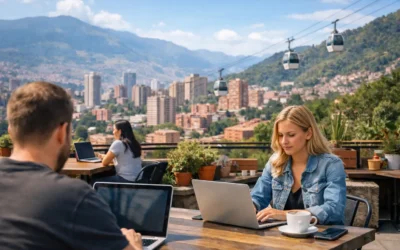
Medellín is another city where tap water is generally considered safe. The local supply is well regarded, and residents routinely drink it. This applies across the main visitor areas of El Poblado, Laureles, Envigado, and much of the central valley. If you are settling into Medellín for a week or more, bringing a reusable bottle is a simple way to reduce plastic waste and daily spending.
In the Coffee Region, tap water is commonly drinkable in cities such as Pereira, Manizales, and Armenia. The same is often true in established towns including Salento, although conditions can be more variable in rural fincas and remote accommodation. Ask your host directly rather than assuming that a property outside town uses the same reliable municipal supply.
Cali also has treated municipal water and many residents drink it. Still, visitors with sensitive stomachs may prefer filtered water when staying in older buildings or during a short visit. That is not necessarily a reflection of unsafe water. A change in mineral content, unfamiliar food, heat, or a few too many street snacks can all be blamed on “the water” after the fact.
On the Caribbean coast, take a more cautious approach. In Cartagena, municipal water may be treated, but many travelers and local residents choose purified or bottled water because building tanks, pipes, interruptions, and taste can affect the final water coming from the faucet. Use filtered water at your hotel or buy sealed bottles, especially in older properties within the Walled City and Getsemaní.
In Santa Marta, Minca, Palomino, Taganga, and the surrounding Caribbean region, do not assume tap water is safe for drinking. The same advice applies to many smaller Pacific, Amazon, and rural destinations. In places such as Leticia, Nuquí, Capurganá, and trail-based destinations, purified water is part of the travel routine rather than an inconvenience.
What to do in hotels, hostels, and vacation rentals
The accommodation itself matters almost as much as the destination. A modern Bogotá hotel connected to the city supply is very different from a rural ecolodge that stores water in a tank. When you check in, ask a direct question: “Is the tap water safe to drink, or should I use filtered water?” Good hosts will answer clearly.
If a hotel provides a large refill dispenser, that is usually the best option. Many better hostels, boutique hotels, and coworking-friendly guesthouses now offer filtered drinking water in common areas. Carry a reusable bottle and refill there before a day of sightseeing.
In apartments, look for a countertop filter, a pitcher filter, or a dedicated drinking-water tap. If none is available and you are uncertain, buy large sealed bottles for drinking and coffee. A 6-liter bottle is usually better value than repeatedly buying small single-use bottles, though prices vary by neighborhood and store.
Be more cautious if water is discolored, smells strongly of chlorine, has recently returned after an outage, or comes from a visible storage tank. Even in a city with potable municipal water, the building’s plumbing can be the weak point.
Ice, salads, coffee, and brushing your teeth
In Bogotá, Medellín, and other cities with dependable municipal supplies, ice in established restaurants, coffee made with tap water, and brushing your teeth are generally not major concerns. Restaurants serving international visitors commonly use treated water or commercially made ice as well.
On the coast and in places where you are avoiding the tap, use the same rule for ice and uncooked foods washed with water. Order drinks without ice at basic roadside eateries if you cannot confirm the source. Choose busy restaurants with good food turnover, and favor fruit you can peel yourself over pre-cut fruit that may have been rinsed in untreated water.
Brushing your teeth is a personal risk calculation. Many travelers use tap water for brushing in Cartagena without a problem, while others use bottled water throughout their stay. If you have a sensitive stomach, a short vacation, or an important onward flight, using filtered water for brushing is an easy precaution.
Should you bring a water filter to Colombia?
For a city-focused itinerary covering Bogotá, Medellín, and the Coffee Region, a reusable bottle may be enough if you confirm conditions at each accommodation. A filter bottle becomes much more useful if your route includes Caribbean beach towns, remote hikes, long bus journeys, or rural stays.
Choose the right tool for the job. A standard filter designed for bacteria and protozoa can be useful for clear freshwater, but it may not protect against viruses or chemical contamination. A purifier designed to treat viruses offers broader protection, while chemical tablets are lightweight but require waiting time and may affect taste. Boiling water remains a dependable option where you have access to a kitchen or camp stove.
Do not treat a filter as permission to drink from every stream, roadside tap, or hostel sink. Sediment, industrial pollution, and poor sanitation are different problems. In remote areas, follow the advice of your lodge, guide, or local community rather than improvising.
A practical water strategy for a Colombia itinerary
For a typical two-week route of Bogotá, Medellín, Salento, and Cartagena, drink tap water in Bogotá and Medellín if your accommodation confirms it is potable. In Salento, ask at your hotel or finca and use its refill station if available. In Cartagena, plan on purified or sealed bottled water.
For higher-altitude destinations such as Bogotá, drink more than you expect. Headaches and fatigue after arrival are often related to altitude, dry air, alcohol, and dehydration rather than contaminated water. Keep a bottle with you on walking days, especially when exploring La Candelaria, hiking around Monserrate, or moving between airports and bus terminals.
It also helps to carry oral rehydration salts. They take up almost no space and are useful if heat, a stomach bug, or a long travel day leaves you depleted. If you develop persistent diarrhea, fever, blood in stool, or signs of serious dehydration, seek medical advice rather than trying to solve the problem with more bottled water.
The bottom line for independent travelers
Colombia is not a destination where you need to avoid every faucet, but it is also not a country where one rule works everywhere. Drink tap water with confidence in Bogotá and Medellín when the property is connected to a normal municipal supply. Ask in the Coffee Region, be conservative on the Caribbean coast, and use purified water in rural and remote areas.
A reusable bottle, a quick question at check-in, and a willingness to adjust by destination will keep this part of your trip easy. Save your decision-making energy for the good stuff – choosing between a Bogotá bakery breakfast, a Medellín cable-car view, or one more sunset on the Caribbean coast.

0 Comments