
Ask travelers who visited Colombia a decade ago and those planning a trip now, and the contrast is striking. The question “why is Colombia becoming so popular?” has a simple starting point: more people have realized that this is not one destination with one itinerary. It is a country where you can wake up in a cool Andean city, drink coffee on a working farm the next day, and finish the week on a Caribbean beach.
But the growth is not only about beautiful images and social media buzz. Colombia has become easier to reach, easier to research, and more comfortable to travel independently than many first-time visitors expect. The best trips still require planning, realistic travel times, and an open mind. That is precisely what makes the country rewarding for travelers who prefer building their own route.
Colombia Offers More Variety Than Most Trips Can Hold
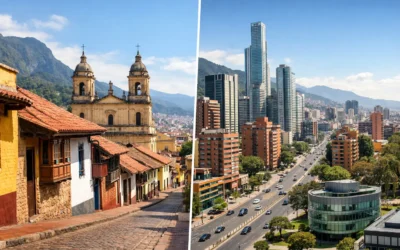
Colombia’s geography is the first reason it stays in people’s minds. The Andes split into three mountain ranges, creating radically different climates and landscapes within relatively short distances. Medellín has spring-like weather for much of the year, Bogotá sits high in the mountains with cool evenings, and Cartagena is hot, colorful, and tropical. Add the coffee region, the Cocora Valley, the Tatacoa Desert, the Pacific coast, the Amazon, and the Caribbean islands, and it becomes clear why a single trip can feel surprisingly expansive.
For independent travelers, this variety makes itinerary design part of the fun. A two-week trip might combine Bogotá, Medellín, Salento, and Cartagena. With three weeks, you can slow down, add Minca or Tayrona near Santa Marta, explore colonial towns such as Barichara or Villa de Leyva, or spend time in Cali for salsa culture.
The trade-off is that Colombia is larger and more mountainous than it looks on a map. Moving between destinations can take longer than expected, especially by road. Domestic flights are often the practical choice when connecting Bogotá, Medellín, Cartagena, and the coffee region. A better itinerary usually includes fewer stops and more time in each place.
Why Is Colombia Becoming So Popular for Independent Travel?
Colombia used to be widely associated abroad with a difficult chapter of its history. That history should not be ignored, and the country still has regions where travel requires extra caution or is not advisable. Yet the Colombia most visitors experience today, particularly along established routes, is welcoming, energetic, and set up for tourism in a way that surprises many newcomers.
Cities have developed strong visitor infrastructure without losing their character. You can find boutique hotels, hostels, local guesthouses, coworking spaces, neighborhood restaurants, walking tours, and reliable airport connections. At the same time, Colombia rarely feels overly polished or standardized. A street-food breakfast in Bogotá, a cable car ride above Medellín, and an afternoon coffee in a small town can still feel rooted in everyday local life rather than staged for visitors.
That balance appeals to travelers who want freedom but do not want to spend every day solving basic logistics. Colombia rewards curiosity. It is possible to travel independently, but a little preparation goes a long way: learn a few Spanish phrases, book key domestic flights in advance during busy periods, use reputable transport options, and choose neighborhoods thoughtfully.
Food, Coffee, and Culture Give Each Region Its Own Reason to Visit
Colombia’s popularity is also tied to a more accurate understanding of its culture. For years, international travelers treated it as a quick add-on to a South America itinerary. Now many give it several weeks because the experiences vary so much by region.
Coffee is an obvious example. Colombia is famous for it, but visiting the coffee region reveals more than scenic hills and a good cup. Small farms, rural guesthouses, and towns such as Salento, Filandia, and Jardín offer a slower rhythm than the big cities. Travelers can see how coffee is grown and processed while enjoying landscapes that are accessible without needing a demanding expedition.
Then there is the food. Colombian cuisine is regional, filling, and best understood through local specialties rather than a search for one national dish. Try arepas in different forms, ajiaco in Bogotá, fresh fish on the Caribbean coast, bandeja paisa in Antioquia, and fruit juices made from produce many visitors have never seen before. The country’s dining scene has grown quickly, especially in Bogotá, Medellín, and Cartagena, but small family-run restaurants often provide the most memorable meals.
Music and social life are another draw. Salsa in Cali, vallenato on the Caribbean coast, and the late-night energy of Medellín show a country that is deeply social. You do not need to be a dancer to enjoy it. Simply being in a plaza, neighborhood bar, or local restaurant on a weekend offers a sense of the warmth that many visitors mention after returning home.
Better Connections Have Made Colombia Feel Closer
Direct and one-stop flights from the United States and Europe have made Colombia far more accessible than it once was. Bogotá is a major aviation hub, while Medellín and Cartagena have become frequent entry points for international travelers. Once in the country, an extensive domestic flight network makes long distances manageable.
Practical information is easier to find, too. Travelers can now research neighborhoods, bus routes, mobile data, local payment habits, and seasonal weather before they arrive. That reduces the uncertainty that once put Colombia in the “maybe someday” category.
Costs remain another factor, although Colombia is no longer the bargain some older travel reports describe. Compared with many U.S. and European destinations, visitors can still find excellent value in accommodations, meals, and local transport. Cartagena’s historic center and popular parts of Medellín can be expensive, particularly in high season. Smaller towns and less obvious destinations generally offer better value, as well as a quieter pace.
The Country Feels Welcoming, but Smart Travel Still Matters
Growing popularity can create a misleading idea that every part of Colombia is equally easy or equally safe. It is not. Conditions can change between neighborhoods, cities, and rural areas. The sensible approach is not fear, but awareness.
Keep valuables discreet, use registered taxis or trusted ride-hailing options where available, avoid isolated areas after dark, and ask your accommodation about current local advice. In crowded places, do not display your phone casually near the street. These are practical habits, not reasons to avoid the country. They help visitors focus on what they came for.
Seasonality deserves attention as well. Colombia sits near the equator, so weather is shaped more by altitude and regional rainfall than by a classic summer-winter pattern. Cartagena can be intensely hot, Bogotá may be chilly and rainy, and mountain hikes can bring fast-changing conditions. Packing layers instead of one all-purpose outfit makes a real difference.
Popularity Brings Pressure, Too
Colombia’s tourism rise has meaningful benefits for local businesses, guides, restaurants, and rural communities. It also brings pressure on housing, natural areas, and small towns that were not built for large visitor numbers. The most responsible travelers spend locally, respect trail rules, avoid treating neighborhoods as backdrops, and choose experiences that value local knowledge.
Places such as Tayrona National Park, Guatapé, and Cartagena’s walled city can feel busy at peak times. That does not make them unworthy of a visit. It simply means timing matters. Going early, staying overnight rather than arriving only for a rushed day trip, and adding lesser-known stops can create a better experience for both travelers and residents.
Colombia is becoming popular because it offers something that is increasingly hard to find: a trip with real contrast, strong personality, and room to make your own decisions. Plan a route with breathing room, stay curious beyond the headline destinations, and let each region set its own pace. That is when Colombia starts to feel less like a trend and more like a place you will want to return to.


0 Comments