
That balance is what makes Colombia such a rewarding place to plan on your own. You do not need a packaged tour to see the country well. You do need a clear sense of pace, a realistic route, and a few smart decisions about transport, timing, and where to slow down.
Why independent travel in Colombia works so well
Colombia suits self-directed travelers because the experiences are varied without being inaccessible. In one trip, you can combine big cities, coffee towns, Caribbean beaches, mountain landscapes, and highly regional food and culture. The country rewards curiosity, but it also rewards structure. If you put thought into your route, it is very possible to travel independently without feeling like you are constantly improvising.
The biggest advantage is flexibility. You can spend longer in Medellín if you enjoy city life, cut a beach stop short if the weather turns, or add a few days in the Coffee Region when you realize that Salento and the surrounding landscapes deserve more than a quick overnight. That kind of freedom is difficult on fixed tours, and it matters in a country where every region feels distinct.
There is a trade-off, though. Independent travel Colombia requires better pre-trip planning than many first-time visitors expect. You cannot treat Colombia like a small country where every stop is a short bus ride away. It is better to choose fewer places and experience them properly than try to cover Bogotá, Medellín, Cartagena, Tayrona, Cali, the Coffee Region, and the Pacific coast in ten days.
How to plan an independent travel Colombia route
The strongest Colombia itineraries are built around geography and energy, not just a list of famous places. Ask yourself what kind of trip you want. If you prefer cities, food, museums, and nightlife, Bogotá and Medellín make sense together. If you want colorful towns, green landscapes, and a slower rhythm, the Coffee Region fits naturally. If your priority is beaches and colonial architecture, Cartagena and the Caribbean coast are an easy pairing.
For a first trip, most travelers do best with three or four bases rather than six or seven. Colombia is large enough that travel days add up quickly. A route like Bogotá, Medellín, Salento, and Cartagena is far more enjoyable than a rushed version with extra one-night stops squeezed in between.
Season also matters, but not always in the way travelers expect. Colombia does not have one weather pattern. Altitude changes everything. Bogotá can feel cool and rainy on the same trip where Cartagena is hot and humid and Tayrona is intensely sunny. Pack for different climates and check regional conditions rather than looking for one national forecast.
Moving around Colombia independently
Transport is usually the part people overthink before arrival and underestimate once they start moving. The right choice depends on distance, budget, and how much time you want to spend in transit.
For long distances, domestic flights are often worth it. Flying between Bogotá, Medellín, Cartagena, Santa Marta, or Cali can save an entire day. Colombia’s top destinations are not always connected in a way that makes overland travel efficient, especially if your trip is under two weeks.
Buses are still useful, especially for medium-distance routes and smaller destinations. They can also be scenic. But scenic does not always mean easy. Mountain roads can make even moderate distances feel long, and travel times can be affected by weather, traffic, or road conditions. If you are deciding between a ten-hour bus and a one-hour flight, the cheaper option is not automatically the better one.
Within cities, ride-hailing apps and registered taxis are often the simplest choice, especially when arriving with luggage. In places like Medellín, public transit is genuinely useful and easy to understand. In smaller towns, transport is more informal, which is part of the experience, but it helps to confirm departure points and schedules locally rather than assume everything runs exactly on time.
Budgeting without turning the trip into a spreadsheet
Colombia can be affordable, but costs vary more than many travelers expect. Cartagena, the Rosario Islands, and high-demand beach areas can feel expensive compared with inland cities. Bogotá and Medellín offer a wide range of accommodation and dining options, which makes budgeting easier. Smaller towns can be cheaper overall, though not always if you are visiting in peak periods or staying in limited high-quality lodging.
A practical approach is to budget by region, not by country. Your average daily cost in Salento may look very different from your average in Cartagena. That does not mean the trip is hard to manage. It just means it helps to balance expensive stops with more affordable ones.
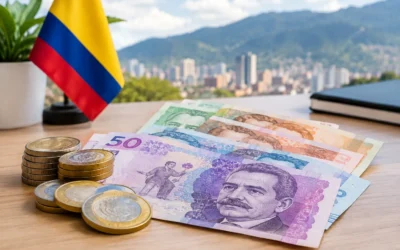
Cash is still useful, especially outside major cities, but you do not need to carry large amounts if you plan well. ATMs are widely available in urban areas and most established tourist destinations. Cards are common in many hotels, restaurants, and shops, but not universal. Keeping some flexibility in how you pay makes daily travel much smoother.
Safety and confidence for independent travelers
Safety is usually the biggest question before a Colombia trip, and the most useful answer is that awareness matters more than alarm. Colombia is not a place where you should travel carelessly, but it is also not a place that requires constant fear. Most independent travelers have positive, trouble-free trips because they make sensible decisions.
That means using trusted transport at night, avoiding flashy displays of valuables, paying attention in busy city areas, and asking locally about neighborhoods or routes before wandering too far off. It also means understanding that safety is highly location-specific. Advice that applies to one part of a city may not apply to another.
The goal is not to move through Colombia nervously. It is to move through it attentively. Travelers who stay alert, keep plans realistic, and avoid unnecessary risks usually find the country very manageable.
Where travelers misjudge Colombia most often
The most common planning mistake is trying to do too much. Colombia looks compact on an itinerary planner and much larger in real life. If every second day is a transfer day, the trip starts to feel logistical rather than memorable.
Another mistake is assuming every destination works year-round in exactly the same way. The Caribbean coast can be wonderful, but sea conditions, heat, and seasonal crowding change the experience. Tayrona may be a highlight for one traveler and too hot or too tiring for another. Bogotá can be fascinating if you like culture and food, but less compelling if you were only hoping for warm weather and easy walking.
The best independent trips are not built around what you think you should see. They are built around what fits your travel style. That is where practical, destination-specific planning makes a difference, and it is exactly why resources like Colombia My Way are so useful before you book your route.
Independent travel Colombia is best when you leave room for adjustment
The most satisfying Colombia itineraries have structure without rigidity. Book the key flights and first stays, know how you are getting between regions, and understand the character of each stop before you go. Then leave some breathing room. A city you expected to use as a transit point may become a favorite. A destination that looked perfect online may turn out to be one night too many.
That flexibility is not poor planning. It is good planning for a country with this much range. Colombia rewards travelers who arrive prepared but not over-scripted.
If you give yourself enough time, choose destinations that fit together, and plan with the country’s scale in mind, traveling independently here feels less intimidating than many people expect and far more interesting than a fixed itinerary ever could be.



0 Comments