Travel Guide Bogotá
Home 9 Author archive for Jeanette and Shelly
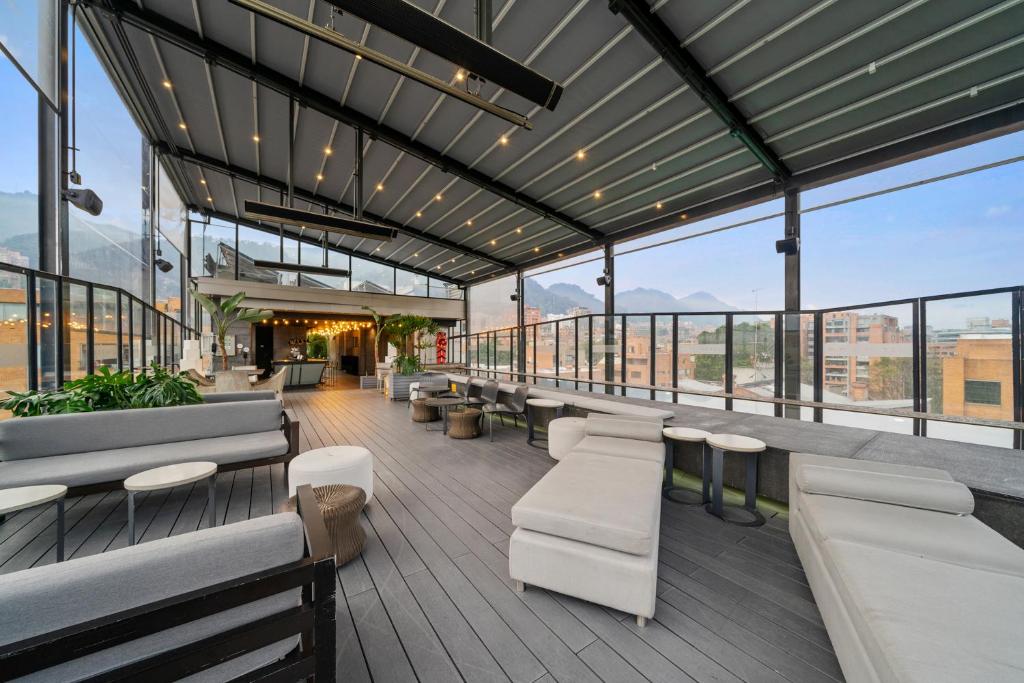
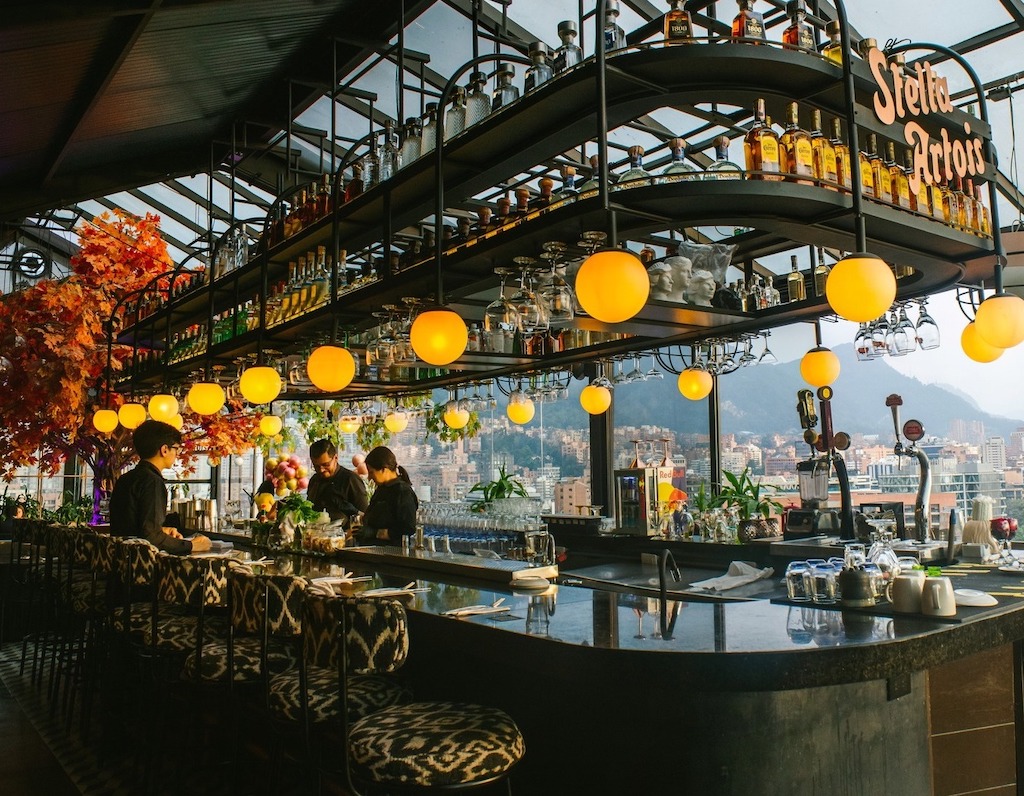
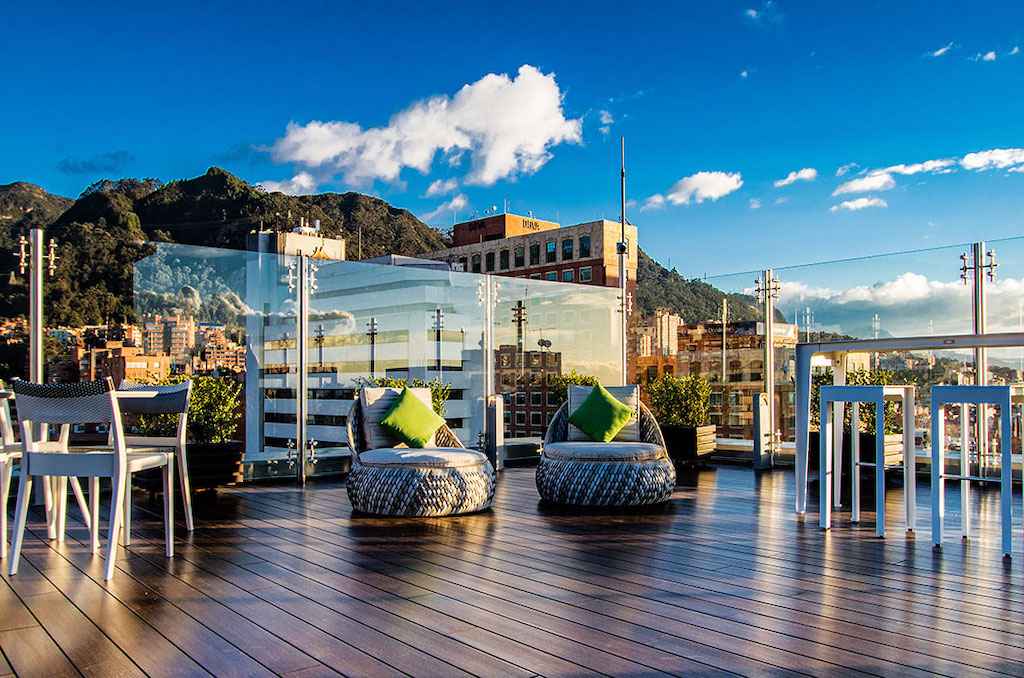
After a full day of sightseeing in Bogotá — from the historic streets of La Candelaria to Parque 93 and Zona T — there’s nothing better than ending the day with a cocktail in hand while watching the sun set behind the mountains. Colombia’s capital is home to a growing number of stylish hotels with rooftop bars, where you can enjoy live music, tasty bites, and spectacular sunsets.
And the good news? You don’t have to spend a fortune to enjoy a great view. Alongside luxury hotels, Bogotá also has some excellent hostels with rooftop bars and terraces, perfect for relaxing and meeting other travelers.
So why not stay at one of Bogotá’s rooftop hotels or hostels and have great views and a lively atmosphere right at your doorstep?
Below, you’ll find some of the best hotels and hostels with rooftop bars in Bogotá, ranging from exclusive and sophisticated to trendy and affordable.
Luxury Hotels with Rooftop Bars in Bogotá
1. B.O.G. Hotel
Design & skyline view
📍 Location: Zona T / Chicó Norte
💰 Price range: starting at $180 per night
🌇 Atmosphere: stylish, modern, exclusive
The five-star B.O.G. Hotel is an icon of design and elegance in Bogotá. On the rooftop, you’ll find a heated pool and a luxurious rooftop lounge with panoramic 360° views of the city and the surrounding mountains.
The atmosphere is relaxed yet exclusive—perfect for a sundowner with a glass of wine or a tropical cocktail. Although the rooftop bar is primarily intended for hotel guests, events are regularly organized that are also open to visitors.
👉 Perfect for travelers who love style, comfort, and tranquility right in the heart of the city.
2. AC Hotel by Marriott Bogotá Zona T
Astoria Rooftop
📍 Location: Zona T
💰 Price range: starting at $160 per night
🍸 Atmosphere: elegant, international, cosmopolitan
The Astoria Rooftop is located on the 15th floor of the AC Hotel by Marriott Bogotá Zona T. Here, you can enjoy a stylish blend of modern design, impressive views, and the ambiance of a chic lounge.
The menu features international dishes, creative signature cocktails, and an extensive selection of wines and premium beverages.
👉 Ideal for travelers who love a cosmopolitan atmosphere and high-quality drinks.
3. Hilton Bogotá
Sky 15 Rooftop Bar
📍 Location: Chapinero
💰 Price range: starting at €150 per night
🎶 Atmosphere: urban chic, lively, popular with locals
The Sky 15 Rooftop Bar at the Hilton Bogotá is one of the most popular spots in the city.
With panoramic views of Chapinero, you can enjoy signature cocktails, wine, and refined dishes here, often accompanied by live music or a DJ on the weekends.
👉 Perfect for travelers who love signature cocktails and live music.
Hippe & trendy rooftop hotels in Bogotá
Click Clack Hotel–
Apache Rooftop Bar
📍 Location: Parque 93
💰 Price range: starting at €120 per night
🎶 Atmosphere: young, creative, trendy
The Apache Rooftop Bar at the Click Clack Hotel Bogotá is the place to be for locals and travelers alike.
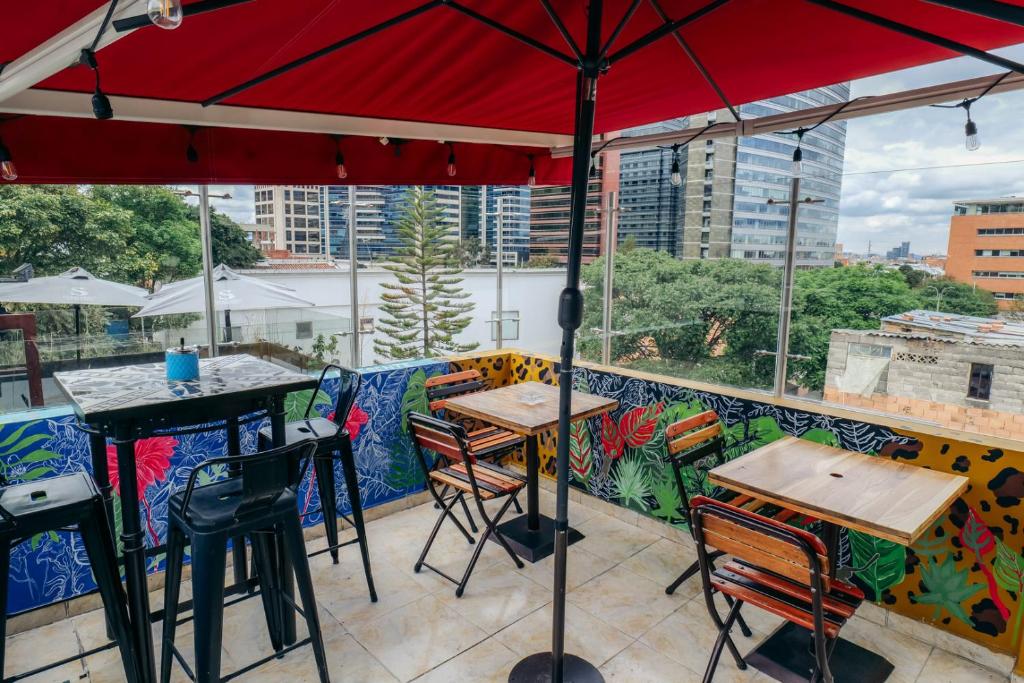
From the terrace, you’ll have a fantastic view of Parque 93 and can enjoy creative cocktails, street food bites, and a lively atmosphere. In the evening, the bar transforms into a cozy lounge with fire pits, string lights, and DJs.
👉 Ideal for travelers who love a hip, casual atmosphere with a view.
5. Salvio Parque 93
Vista Corona Bogotá
📍 Location: Parque 93
💰 Price range: starting at $130 per night
🌴 Atmosphere: tropical, relaxed, urban jungle
Perched atop the Salvio Parque 93 aparthotel is the Vista Corona Rooftop, one of Bogotá’s coziest rooftop terraces. It combines indoor and outdoor spaces filled with greenery and natural accents—a true oasis in the city!
As the name suggests, the bar is inspired by the Mexican beer brand Corona, but it also offers craft cocktails, wines, and Mexican bites like tacos and nachos.
👉 Perfect for travelers looking for a casual evening with a tropical vibe.
Affordable Hotels & Hostels with Views or Rooftop Terraces
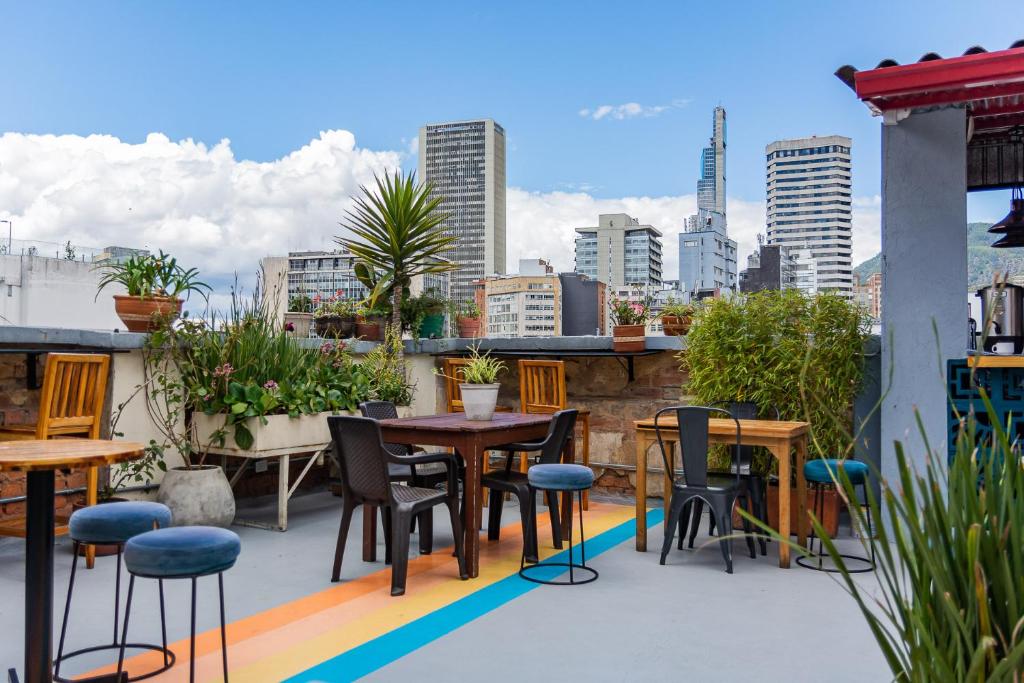
It’s not just travelers who love luxury who can enjoy Bogotá’s rooftop terraces. There are also affordable hotels with rooftop bars or terraces where you can have breakfast, enjoy a drink, and socialize with other travelers while taking in the view of the city.
6. Hotel Platinum Suite Bogotá
📍 Location: Teusaquillo
💰 Price range: starting at €60–€80 per night
🌅 Atmosphere: comfortable, quiet, rooftop terrace with city views
Hotel Platinum Suite is a mid-range option with a pleasant rooftop terrace offering views of Bogotá. You can enjoy breakfast on the terrace, and the hotel is located in a central yet quiet spot in Teusaquillo.
👉 Perfect for travelers who want comfort and a view without the price tag of a luxury hotel.
📍 Location: Santa Fe / La Candelaria
💰 Price range: starting at €25–€40 per night
🎉 Atmosphere: social, modern, rooftop with a pool
Spotty Hostel Bogotá combines a modern, social vibe with city views. The hostel features a rooftop terrace with a pool, barbecue area, and lounge—perfect for meeting other travelers or relaxing with a drink.
👉 Perfect for backpackers and solo travelers looking for affordable comfort with a rooftop vibe.
📍 Location: La Candelaria (historic center)
💰 Price range: starting at €20–€35 per night
☕ Atmosphere: central, cozy, authentic
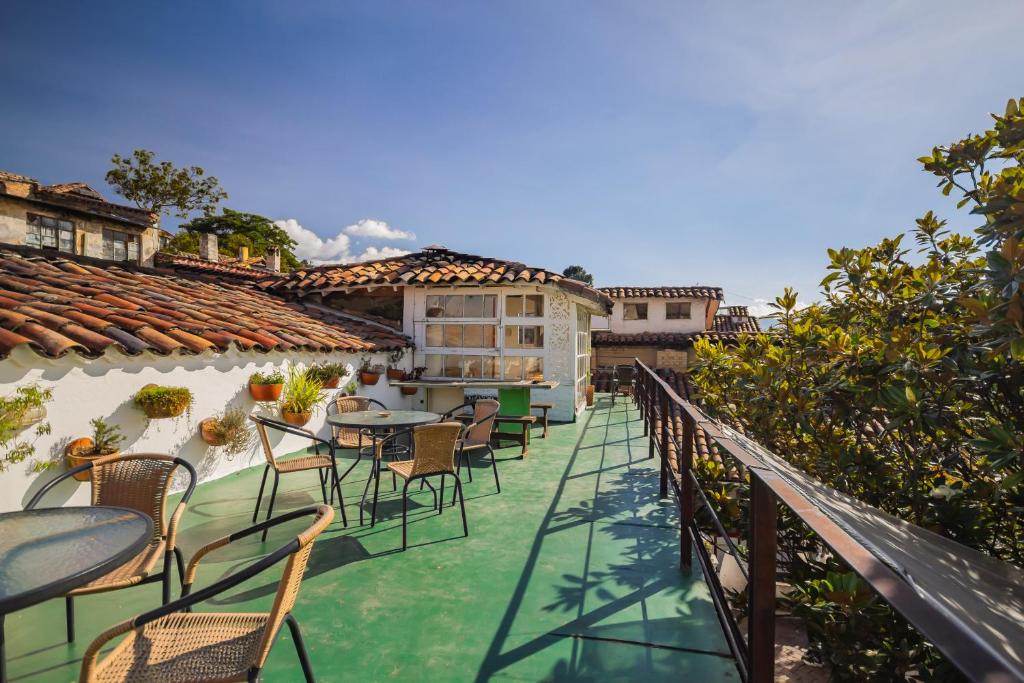
Hostal R10 is located in the heart of La Candelaria and features a cozy rooftop terrace where guests can enjoy breakfast or relax while taking in views of the old town.
👉 Ideal for travelers who want to combine culture and atmosphere with affordable accommodations.
📍 Location: Bogotá’s historic center
💰 Price range: starting at $20–$35 per night
🌿 Atmosphere: green, peaceful, with a terrace and garden
Botanico Hostel offers a relaxed atmosphere with a sun terrace, bar, and garden. It’s a peaceful spot in the historic center, ideal for travelers who want to combine nature and city life.
👉 Perfect for those traveling on a tight budget who still want to enjoy outdoor space and views.
10. Usaquén Station Hostel
📍 Location: Usaquén, Bogotá
💰 Price range: starting at $25 per night
🏡 Atmosphere: quiet, charming, terrace
Usaquén Station Hostel is located in the northern, lively part of the city. The hostel features a terrace with a view of the neighborhood—not a huge rooftop bar, but a nice outdoor spot to relax.
👉 Ideal for travelers seeking peace and quiet who still want to stay connected to the lively Usaquén neighborhood.
Practical Tips for Rooftop Bars in Bogotá
- Go around sunset (5:30–6:30 PM): this is when the views are at their best.
- Check the opening hours: some rooftop bars and terraces at smaller hotels or hostels are not open all evening or may be closed for private events.
- Bring a jacket or sweater: Bogotá sits at an altitude of around 2,600 meters (8,530 ft), so evenings can be chilly.
- Make a reservation in advance: popular rooftop bars can fill up quickly, especially on Friday and Saturday evenings.
- Happy Hour: many bars offer 2-for-1 cocktails between 5:00 and 7:00 PM.
- Dress code: casual chic is usually fine; sportswear is best avoided.
- Planning to stay at a hotel or hostel with a rooftop in Bogotá? Book early and take advantage of Early Deals, as well as other special deals!
The best hostels and hotels with rooftop bars in Bogotá combine comfort, atmosphere, and great views. Whether you choose the elegant B.O.G. Hotel, the trendy Click Clack Hotel, or the budget-friendly Spotty Hostel, each offers a unique experience high above Colombia’s vibrant capital.
Also Read:
Practical information about Colombia
The road from Medellín to Jardín curves through green mountains, roadside fruit stands, and small towns that are easy to miss from a bus window. That kind of freedom is the strongest case for renting a car in Colombia. But it is not automatically the best choice for every itinerary. Colombia’s domestic flights, long-distance buses, and ride-hailing options can be more practical in major cities and on certain routes.
A rental car works best when you want to set your own pace outside the urban centers, visit several smaller destinations, or reach places where public transportation is slow and infrequent. The key is choosing the right route, vehicle, and insurance before you collect the keys.
When renting a car in Colombia makes sense
A car is particularly useful for regional trips. Think of exploring coffee country beyond Salento, driving the colonial villages around Villa de Leyva, visiting Guatapé and the eastern Antioquia countryside, or combining Barichara, San Gil, and nearby canyon viewpoints. It gives you the option to stop for lunch in a village, take a scenic detour, and stay in a rural finca without working around bus schedules.
It also makes financial sense for couples, families, or small groups sharing the cost. A private driver can be a sensible alternative for a single long day, but for several days of independent exploring, the total can quickly exceed the cost of a rental.
There are times when a car adds more stress than freedom. Bogotá, Medellín, Cartagena, and Cali have heavy traffic, confusing one-way systems, limited parking, and excellent alternatives for getting around. In Cartagena’s walled city, for example, a car is mostly a liability. Plan to pick one up when you leave the city rather than paying to park it while it sits unused.
Long distances are another consideration. Colombia looks manageable on a map, but mountain roads can make a 150-mile drive take five or six hours. For routes such as Bogotá to Cartagena or Medellín to Santa Marta, flying is usually the smarter use of your travel time. A car is best for a focused region, not for trying to cross the entire country on a rushed schedule.
What you need to rent a car in Colombia
Most international visitors can rent and drive using a valid driver’s license from their home country and their passport. Rental companies commonly require the driver to be at least 21 or 25, depending on the agency and vehicle category. Drivers under 25 may face a daily surcharge, and premium or larger vehicles often have a higher minimum age.
Bring the physical license, not just a photo on your phone. An International Driving Permit is not always required for tourists, but it is worth carrying if your license is not in Roman characters or if you prefer an additional translated document. Requirements can differ by rental company, so confirm the policy before paying for a nonrefundable reservation.
You will usually need a credit card in the main driver’s name for the security deposit. A debit card may be accepted by some companies, but it can come with stricter conditions, a larger hold, or limited insurance options. Check the available credit on your card before arrival. Deposits can be substantial, especially if you decline the company’s damage coverage.
Automatic cars are available, but manuals are more common and generally cheaper. If you only drive automatic, reserve early, especially during Colombian holiday periods and December through January. Do not assume an automatic vehicle will be waiting at the counter simply because the booking page showed one as an option.
Insurance: read the deductible, not just the headline
Insurance is where a low daily rate can become misleading. Colombian rental cars should have mandatory SOAT coverage, which covers bodily injury to third parties. It does not mean the vehicle itself is fully protected. Rental companies may offer collision damage coverage, theft protection, supplemental liability coverage, roadside assistance, and tire or windshield protection as separate products.
The important question is the deductible, also called the excess. A plan described as “full coverage” can still leave you responsible for a significant amount after damage or theft. Ask what is excluded, what happens with a cracked windshield or damaged tire, and whether driving on unpaved roads affects coverage.
Credit card rental insurance can help, but only if it specifically applies in Colombia, covers the type of vehicle you are renting, and is accepted alongside the local rental agreement. It often does not replace mandatory local liability coverage. Before relying on it, call your card issuer and ask for the terms in writing.
Take clear photos and a short video of the car at pickup. Include every panel, the wheels, windshield, roof, fuel level, odometer, and any existing scratches. Make sure all damage is marked on the inspection form before you leave. Repeat the process at return, particularly if you are dropping the car off outside business hours.
Choosing the right car for Colombian roads
For paved routes between major towns, a compact sedan or hatchback is often enough. It will be easier to park, use less fuel, and cost less at tolls. A small SUV is useful if you are traveling with luggage, heading into hilly rural areas, or expect uneven access roads to farms, cabins, and nature reserves.
A four-wheel-drive vehicle is not necessary for most travelers, but ground clearance can make a real difference after rain. Do not book a basic compact if your itinerary includes remote mountain roads around destinations such as Minca, parts of the Sierra Nevada foothills, or rural Antioquia. Also remember that rental contracts may prohibit certain unpaved roads, even when the car is physically capable of handling them.
Before leaving the lot, check that the spare tire, jack, reflective equipment, and emergency kit are present. Ask which fuel the vehicle uses. Gasoline is commonly called gasolina corriente, while diesel is often labeled ACPM. Returning with the wrong fuel is an expensive and entirely avoidable mistake.
Driving in Colombia: plan for slower, more alert travel
Colombia’s main highways have improved significantly, but driving requires patience and attention. Expect toll roads, frequent curves, trucks on mountain grades, motorcycles filtering between lanes, and occasional roadworks. In rural areas, you may encounter livestock, cyclists, pedestrians, and potholes with little warning.
Avoid driving after dark whenever possible, especially on unfamiliar intercity roads. Mountain fog, rain, limited lighting, and unexpected hazards make nighttime journeys far more tiring. A route that feels straightforward during the day can become difficult after sunset, even if it is fully paved.
Use a navigation app with offline maps downloaded before you set out. Mobile coverage is reliable in many populated areas but can disappear in valleys and on remote roads. Build extra time into every transfer. If an app says a route takes three hours, treat that as a best-case estimate rather than a promise.
Tolls are common on intercity routes, so carry Colombian pesos in small bills. Some toll booths accept cards or electronic payment methods, but cash remains the simplest option. Fuel stations are frequent on major roads, though it is wise to refill before heading into sparsely populated areas.
If you are stopped by police, stay calm, keep your documents accessible, and ask for clarification if you do not understand the issue. Legitimate traffic fines follow a formal process. Never hand over cash for an alleged roadside fine.
A quick checklist before you book
Before committing to a rental, confirm these practical details:
- The vehicle transmission, pickup location, and office hours, particularly for late flights.
- The total price after taxes, airport fees, insurance, young-driver fees, and any one-way charge.
- The deductible and exclusions for tires, glass, theft, unpaved roads, and roadside assistance.
- The credit-card deposit amount and whether additional drivers are included.
- Whether your itinerary includes routes that the rental company does not permit.
One final detail matters more than many travelers expect: do not leave luggage or valuables visible in a parked car. Use guarded parking when available, especially overnight, and bring passports, electronics, and bags with you. This is sensible travel practice anywhere, but it is particularly valuable when you are carrying everything needed for a multi-stop road trip.
A car can turn Colombia from a sequence of transport connections into a more personal journey, with room for spontaneous stops and lesser-known places. Keep the route realistic, drive in daylight, and give yourself permission to travel slower. The memorable part is rarely arriving first – it is having time to notice what lies between the destinations.
Practical information about Colombia
Cartagena’s warm evening air, a coffee farm breakfast overlooking green hills, and Medellín’s mountain lights make a compelling case for a trip that does not try to fit everything in. This Colombia honeymoon itinerary is designed for couples who want variety without turning their vacation into a series of airport transfers. Over 12 days, you will combine a colonial Caribbean city, the coffee region, and Medellín at a pace that leaves room for long lunches, pool time, and the occasional change of plan.
Why this Colombia honeymoon itinerary uses three bases
Colombia is much larger and more geographically varied than many first-time visitors expect. Cartagena, the coffee region, and Medellín look close on a map, but mountain roads and limited direct flights can make an ambitious route feel rushed. Three bases is the sweet spot for 12 days: each one has a distinct atmosphere, and none requires a one-night stop.
Plan this route as Cartagena, the coffee region, then Medellín. Most international flights arrive in Bogotá, so you may need a short domestic connection at the beginning and end. That is normal. Build in a generous buffer rather than booking the last possible flight, especially if your international ticket and domestic flights are separate.
Days 1-4: Cartagena for Caribbean energy and slow evenings
Cartagena is an easy place to begin a honeymoon because it asks very little of you. The walled city is compact, visually dramatic, and built for wandering after the midday heat eases. Stay inside the Old Town if historic architecture, rooftop bars, and walkability matter most. Choose Getsemaní if you prefer a livelier neighborhood with more small restaurants and a less polished feel. Both work well, but a quiet room and a hotel pool are worth prioritizing here.
Day 1: Arrive and keep the first night simple
After checking in, walk without an agenda through the streets around Plaza Santo Domingo, Parque Bolívar, and the city walls. Sunset from the ramparts is popular for good reason, but you do not need to chase the most photographed spot. Settle into a long dinner instead. Cartagena is humid year-round, so schedule outdoor walks for late afternoon and evening whenever possible.
Day 2: Explore the Old Town and Getsemaní
Use the morning for Cartagena’s historic center, when the streets are quieter and the light is softer. Visit a few churches, browse independent shops, and stop for coffee before the heat builds. In the late afternoon, cross to Getsemaní for murals, street life, and dinner.
For a honeymoon, resist the urge to fill every hour with museums and landmarks. Cartagena is at its best when there is time to sit in a shaded courtyard, return to your hotel for a swim, and head back out when the city comes alive.
Day 3: Take a Rosario Islands day trip
A day on the water adds a proper Caribbean chapter to the itinerary. The Rosario Islands are reachable by boat from Cartagena, with options ranging from group excursions to private charters. A private boat costs more but makes sense for couples who value privacy, a flexible schedule, and quieter swimming stops.
The trade-off is that sea conditions can be choppy, particularly during windy periods. If either of you gets motion sickness, take precautions and choose a provider that does not promise an unrealistic number of stops. If the weather is poor, do not force it. Another relaxed Cartagena day is never a bad backup plan.
Day 4: A free day before flying inland
Keep this as an open day. You could book a massage, linger over breakfast, visit the Castillo de San Felipe de Barajas early in the morning, or simply spend time by the pool. The next travel day will likely involve a connection through Bogotá, so this pause keeps the itinerary feeling like a honeymoon rather than a checklist.
Days 5-8: Coffee country for finca stays and green landscapes
Fly from Cartagena to Pereira or Armenia, the two most practical gateways to Colombia’s central coffee region. Direct flights are not always available, and a connection in Bogotá is common. Arrange a private transfer from the airport to your chosen town or finca. The roads are winding, and arriving without the stress of finding local transport is a small luxury that pays off.
For a romantic stay, book a working coffee finca or a small countryside hotel outside Salento, Filandia, or Circasia. Salento is the most famous and has plenty of restaurants, but it can feel busy on weekends. Filandia is a little calmer and more local in character. A finca between towns offers peace and views, although you will need to plan transport for dinners and day trips.
Day 5: Settle into your finca
Do as little as possible after arrival. Walk the grounds, enjoy the view, and have dinner at your hotel if it has a good restaurant. Coffee country’s appeal is not only in the activities. It is also in the slower rhythm: misty mornings, birdsong, and landscapes that make a hammock feel like a legitimate plan.
Day 6: Visit the Cocora Valley
The Cocora Valley is known for its impossibly tall wax palms, Colombia’s national tree. Go early, ideally on a weekday, for cooler temperatures and fewer visitors. You can choose a short scenic walk or the longer hiking loop, which is muddy in wet weather and more demanding than photos suggest.
Couples who are not keen hikers should not feel obligated to complete the full trail. A shorter route still delivers the palms and mountain views, leaving energy for lunch in Salento and a relaxed ride back to the finca.
Day 7: Take a coffee farm tour
Choose a small producer rather than the largest, most theatrical operation if you want a more personal experience. A good tour explains cultivation, harvesting, processing, roasting, and why Colombian coffee varies so much by altitude and microclimate. You will taste several cups, so plan a leisurely afternoon afterward instead of trying to add another major activity.
Day 8: Keep a flexible countryside day
This is your buffer for rain, a horseback ride, a visit to Filandia, or no plans at all. Weather changes quickly in this region, and flexibility is more useful than a tightly timed schedule. It is also a good day to enjoy a long breakfast and a final evening surrounded by the hills.
Days 9-12: Medellín for culture, food, and a city finish
Fly from Pereira or Armenia to Medellín. The flight is short, but account for airport transfers at both ends. Medellín’s airport is outside the city, and the drive into town commonly takes 45 to 90 minutes depending on traffic.
For a first visit, El Poblado is the simplest place to stay. It has the largest concentration of restaurants, hotels, and easy transport options. Laureles is flatter, more residential, and often quieter, with a more local everyday feel. El Poblado is better for a short honeymoon stay; Laureles is a strong alternative if nightlife is less important than neighborhood atmosphere.
Day 9: Arrive, then enjoy a neighborhood evening
Do not plan a major excursion. Walk around your area, choose a restaurant reservation, and take in the city’s dramatic valley setting. Medellín is often called the City of Eternal Spring, but afternoon rain is possible at any time of year. Carry a light rain layer rather than relying on the forecast alone.
Day 10: Understand Medellín beyond the postcard views
Join a thoughtful guided visit to Comuna 13, where local guides can add essential context to the neighborhood’s transformation and its difficult history. This is one place where independent wandering is not always the most meaningful choice. Go with an established local guide, avoid treating residents or street art as a backdrop for intrusive photos, and leave time to explore at a respectful pace.
Later, ride the Metrocable for expansive views of the valley. Medellín’s public transport is part of the city’s story, not merely a way to move between attractions.
Day 11: Spend a full day in Guatapé
Guatapé is one of Colombia’s classic day trips, known for its colorful painted facades and the enormous El Peñol rock. Climbing the rock’s 700-plus steps is optional, but the view is memorable if you are comfortable with the effort. The town itself is more enjoyable when you wander beyond the main photo spots and sit down for lunch by the water.
A private driver gives you the most flexibility, while a shared day tour is cheaper and easier to arrange. The downside of a group tour is the fixed pace, which may not suit a honeymoon. Return to Medellín for a final dinner rather than changing hotels for one night.
Day 12: Depart with room for the real Colombia
Fly from Medellín to Bogotá for your international connection, or continue onward if you have extra time. Keep this day light and avoid booking a domestic flight that leaves no margin for city traffic or weather delays.
Before you go, remember that the best version of this route is not defined by how many sights you complete. Book comfortable stays, use flights to protect your time, and leave a few unplanned hours in every destination. Colombia rewards curiosity, but it also rewards couples who slow down long enough to enjoy where they already are.
Travel Guide Santa Marta
Santa Marta’s coastline changes character quickly. One hotel may put you beside a wide, quiet beach near the airport; another places you in the middle of El Rodadero, where restaurants, beach vendors, and evening activity are steps away. The best beach hotels in Santa Marta depend less on star ratings than on the kind of stay you want – resort downtime, a convenient family base, or easy access to the city’s livelier beach scene.
For independent travelers, location is the decision that matters most. Santa Marta’s central waterfront is attractive for city sightseeing, but it is not where most visitors choose to swim. For a genuine beach stay, look toward El Rodadero, Bello Horizonte, Pozos Colorados, and the stretch of coast toward the airport.
How to choose among the best beach hotels in Santa Marta
The two most practical areas are El Rodadero and Bello Horizonte. El Rodadero is the sociable option: it has a busy urban beach, plenty of casual restaurants, pharmacies, supermarkets, and easy public transport into central Santa Marta. It works well if you do not want to depend on taxis every time you leave the hotel. The trade-off is that it can feel crowded, particularly on weekends, Colombian holidays, and during December and January.
Bello Horizonte and neighboring Pozos Colorados are quieter and more resort-oriented. Beaches are generally broader, hotels have more space for pools and gardens, and the airport is only a short drive away. This is a better fit for travelers who want to slow down after a trek in Minca or Ciudad Perdida, or before continuing to Tayrona. You will usually need taxis or ride-hailing apps for restaurants beyond your hotel, though.
Also check what “beachfront” means in the hotel description. A property can face the sea while being separated from the sand by a road, a public promenade, or another building. For the most effortless beach days, choose a hotel with direct access from its grounds. And wherever you stay, pay attention to flags and local advice before swimming: sea conditions can change along this coast.
Hotel Irotama Resort: best for a full resort stay
Hotel Irotama Resort is one of Santa Marta’s classic large-scale beach resorts, set in Bello Horizonte near the airport. Its main appeal is the amount of space: multiple pools, tropical grounds, a long beach frontage, restaurants, and accommodations that range from hotel rooms to larger apartment-style options. If your plan is to spend several days alternating between pool, sea, and an occasional excursion, it is an easy choice.
This is particularly practical for families and groups, since the larger units make it easier to avoid booking several separate rooms. It also suits travelers who value an on-site restaurant and reliable facilities after long travel days. The compromise is atmosphere. Irotama is more self-contained than characterful, and it is not the right pick if you want to walk out into a neighborhood full of small bars and local dining.
Zuana Beach Resort: best for families and longer stays
Also in Bello Horizonte, Zuana Beach Resort has a strong family-friendly setup, with extensive pool areas, direct beach access, sports facilities, and apartment-style lodging in addition to conventional rooms. It is one of the better options for travelers who need more than a place to sleep – especially families with children or friends sharing a stay.
The practical advantage is flexibility. A suite or apartment can make breakfast, snacks, and downtime far simpler than a standard hotel room. The beach in this area is calmer in feel than El Rodadero, and the hotel’s grounds give children room to move around without the intensity of a city beach.
However, Zuana is designed for resort days rather than spontaneous exploring. Budget for transportation if you want to dine in central Santa Marta, visit the Gold Museum, or spend an evening in the historic center. For a trip split between beach time and city experiences, consider staying here for the relaxing portion rather than the entire visit.
GHL Relax Hotel Costa Azul: best for a quieter escape
GHL Relax Hotel Costa Azul sits farther south in the Pozos Colorados area, a peaceful stretch of coast between Bello Horizonte and Santa Marta. The setting is its strongest feature: it feels removed from the bustle of El Rodadero, with a broad beach, outdoor pools, and the kind of relaxed rhythm that encourages you to stay put for the day.
It is a good match for couples, families, and anyone who prefers a quieter beachfront hotel without the scale of the largest resorts. Meal-plan options can be useful here, especially because there are fewer walkable restaurant choices nearby. That convenience can be valuable after an early flight or a demanding excursion, but compare the plan with your own travel style. Independent travelers who enjoy trying a different local restaurant every night may find the location limiting.
Hotel Santamar: best for simple beachfront convenience
Hotel Santamar offers a more straightforward beach-hotel experience in Bello Horizonte. It is a sensible choice when direct access to the sand, a pool, and proximity to the airport matter more than a highly polished boutique design. The grounds and beach setting are the reason to book it.
For a short stay, this can be especially convenient. Arriving late into Santa Marta or leaving on an early flight becomes less stressful when you are close to the airport but still able to wake up by the Caribbean. It also works well as a recovery stop after Tayrona, where accommodation is often more rustic and logistics require more effort.
Expect a traditional resort-hotel feel rather than a trendy property. Rooms and facilities can vary by category, so it is worth looking closely at the room type rather than assuming every option has the same level of renovation or sea view.
Estelar Santamar: best for travelers who want more space
Estelar Santamar, near Bello Horizonte, is another practical option for travelers looking for apartment-style accommodations and resort amenities. Its larger units are useful for families, longer stays, or travelers who simply appreciate a separate living area after weeks of moving around Colombia.
The property’s beachfront location and pool facilities make it easy to settle into a low-key routine, while its position near the airport keeps transfers simple. It does not offer the walkable energy of El Rodadero, but that is exactly why many travelers choose it. If your priority is a quiet room, open space, and a beach that feels less urban, this area makes more sense than central Santa Marta.
Tamacá Beach Resort: best for El Rodadero energy
Tamacá Beach Resort is a strong choice for travelers who want to stay directly in El Rodadero, Santa Marta’s busiest beach district. Here, the beach is on your doorstep and daily essentials are close by. You can walk to restaurants, ice cream shops, convenience stores, and the waterfront promenade without needing to plan transportation.
That accessibility makes Tamacá a good option for shorter stays, first-time visitors, and travelers who like to have activity around them. It is also easier to arrange trips into Santa Marta’s historic center from here than from Bello Horizonte. The obvious trade-off is the beach itself: El Rodadero is lively, commercial, and often crowded. If you picture secluded sand and quiet water, choose Bello Horizonte or Pozos Colorados instead.
A practical booking strategy for Santa Marta
Before booking, decide whether Santa Marta is a destination in itself or a base between other stops. If you are using it for just one or two nights before heading to Tayrona, Minca, or Cartagena, an airport-side beach hotel can make transfers easier. If you want evenings in the historic center and the convenience of many restaurants, El Rodadero may be more useful despite its busier feel.
For a resort stay, look beyond the nightly rate. Breakfast, airport transfers, room size, beach chairs, and meal plans can change the real value considerably. Families may save money with a larger unit and kitchenette, while couples taking frequent day trips may prefer a simpler hotel and spend more time outside the property.
Santa Marta rewards travelers who match the hotel to the pace of their itinerary. Choose El Rodadero when you want movement and convenience; choose Bello Horizonte or Pozos Colorados when the sound of the sea matters more than having every restaurant within walking distance.
Travel Guide-Tayrona-National-Park
Tayrona is not a destination where the closest pin on a map always makes the best base. The best hotels near Tayrona National Park put you within easy reach of the entrance or beach, while giving you a quiet place to recover after humid hikes, early starts, and long days in the Caribbean sun. Your right choice depends on whether you want comfort, walkability, a beach setting, or the lowest-fuss way to enter the park.
Most travelers stay along the Santa Marta to Palomino road, rather than inside Tayrona itself. This stretch has several distinct areas, and choosing between them matters more than choosing between two similarly rated properties. Below are the stays and locations worth considering when planning independently.
Where to stay near Tayrona National Park
El Zaino: best for straightforward park access
El Zaino is the main entrance area and the most practical choice for travelers whose priority is entering Tayrona early. You will find small hotels, guesthouses, restaurants, pharmacies, and transport connections along the highway. It is not a beach village, but it makes the logistics refreshingly simple.
Hotel Jasayma is a long-standing, well-regarded option near the El Zaino entrance. Its green, relaxed setting feels removed from the highway, and it suits travelers who want a comfortable room and helpful local guidance without the price of a polished beach resort. It is especially useful for a one- or two-night Tayrona stay when you plan to spend most of the day in the park.
The trade-off is atmosphere. Staying in El Zaino means you are close to the gate, not close to a swimmable beach or a lively evening scene. If your itinerary includes a beach day outside the park, Los Naranjos is usually the better fit.
Los Naranjos: best for comfort and beach time
Los Naranjos sits just east of the main entrance, around the mouth of the Piedras River. It is one of the most appealing bases for couples, honeymooners, and anyone who wants Tayrona access without sleeping in a hammock or camping inside the park. The area is quieter than Santa Marta, greener than the roadside around El Zaino, and home to several of the region’s most characterful properties.
Senda Casa Tayrona Los Naranjos is a strong pick for travelers looking for a refined small-hotel experience. Expect a lush setting, a pool, thoughtful design, and the kind of service that makes early departures and onward transport easier to arrange. It is a good choice if Tayrona is part of a broader Colombia trip and you want a restful stop between Santa Marta and Palomino.
Maloka Barlovento is another memorable option in this area, known for its striking setting near the river and sea. It has more of a destination-hotel feel than a simple park base. Book it for the setting and the slower pace, but understand the limitation: the nearby coast can be dramatic rather than reliably swimmable, especially when the sea is rough. For a classic Tayrona beach day, you will still want to enter the park.
Villa Playa Tayrona offers a quieter, boutique-style stay around Los Naranjos. It works well for travelers who value privacy and want a comfortable base close to the park. This is the type of hotel to choose when you prefer reading by a pool or beach over being within walking distance of shops and restaurants.
Calabazo: best for a quieter alternative entrance
Calabazo lies on the inland side of Tayrona and is often overlooked by first-time visitors. It is a useful base for travelers who want a more rural atmosphere, access to lesser-used trails, or a calmer experience than the busy El Zaino corridor. It also makes sense for people who are not determined to visit Cabo San Juan, the park’s most famous beach.
Yachay Tayrona Ecohotel is a compelling choice in this area for its nature-focused setting and peaceful character. It is best suited to travelers who see the accommodation as part of the experience, rather than just a place to sleep before a beach hike. Expect more jungle, birds, and space, but fewer nearby services and a greater need to organize transport in advance.
Calabazo is not the best option for everyone. The route into the park from here is more hiking-oriented, and it does not offer the simplest path to the beaches most visitors have seen in photographs. Choose it for quiet and nature, not for the quickest first visit to Tayrona.
Best hotels near Tayrona National Park by travel style
If you want the smoothest independent itinerary, stay near El Zaino. Hotel Jasayma and similar small properties make it easy to leave luggage, have breakfast, and reach the gate before the hottest part of the day. This is the most practical choice for solo travelers, friends, and anyone with only one full day for Tayrona.
For a more comfortable Caribbean break, choose Los Naranjos. Senda Casa Tayrona Los Naranjos, Maloka Barlovento, and Villa Playa Tayrona give you a better chance of enjoying your hotel as much as the park. These properties tend to work particularly well after several busy days in Cartagena, Medellin, or Bogotá, when a pool, a quiet room, and a good dinner matter.
For a nature-first escape, consider Calabazo and Yachay Tayrona Ecohotel. You will trade convenience for a stronger sense of being away from it all. That can be exactly right for travelers with three or more nights in the region, especially if they enjoy hiking and do not need a packed itinerary.
Budget travelers should look at guesthouses and hostels around El Zaino rather than automatically booking Santa Marta. A lower nightly rate in Santa Marta can disappear once you factor in the early morning transfer, time on the road, and the need to return after a full park day. El Zaino is often the better value when Tayrona is your main reason for being here.
What to check before booking
The hotel description alone rarely tells you what will affect your stay. In this part of Colombia, a few practical details make a real difference.
First, check the exact location and whether the property is on the highway side, beach side, or down an unpaved access road. A hotel described as “near Tayrona” may still require a taxi or mototaxi to reach the entrance. Ask about road conditions if you are arriving with wheeled luggage or after dark.
Second, confirm what is included. Breakfast is valuable here because park days begin early. Air conditioning can be more important than a stylish room, while reliable Wi-Fi is less certain once you move into rural or jungle settings. If you are relying on online work, verify the connection directly with the property before committing.
Third, ask about transport support. Many hotels can arrange a private driver from Santa Marta airport, a pickup from the bus terminal, or a transfer onward to Palomino. Public buses along the coastal highway are inexpensive and useful, but a prearranged transfer is easier if you arrive late, carry larger bags, or are traveling with children.
Finally, do not assume you can enter Tayrona on any date. The park periodically closes for environmental and cultural reasons, and weather can affect trail conditions and sea access. Check current opening dates, entry requirements, and whether your hotel can help with tickets, insurance, or local transport before finalizing a nonrefundable reservation.
A practical booking strategy
For most independent travelers, two nights near Tayrona is the sweet spot. Arrive from Santa Marta or Minca in the afternoon, settle in, then enter the park early the next morning. Spend the following day traveling onward to Palomino, Riohacha, or back toward Santa Marta. This plan avoids turning Tayrona into a rushed day trip.
Book earlier than you might expect for weekends, Colombian holiday periods, and the drier months, generally December through March. The best small hotels have limited rooms, and the properties with pools or beach access fill first. During wetter months, rates may be friendlier, but bring rain protection and build some flexibility into hiking plans.
There is no single perfect Tayrona hotel. Pick El Zaino when time matters, Los Naranjos when comfort matters, and Calabazo when solitude matters. Once you match your base to the kind of park experience you actually want, Tayrona becomes far easier to enjoy on your own terms.