Traveling to Colombia: Safe places to visit, itineraries and tips

Colombia often makes headlines for its safety warnings, and yes, official advisories still recommend caution in certain regions. But here’s the reality: most of the country’s popular destinations remain safe, lively, and welcoming to travelers in 2025.

If you plan smartly, stick to recommended areas, and respect local advice, you’ll discover one of the most diverse and rewarding countries in Latin America.

Where It’s safe to travel in Colombia in 2025

1. Caribbean Coast

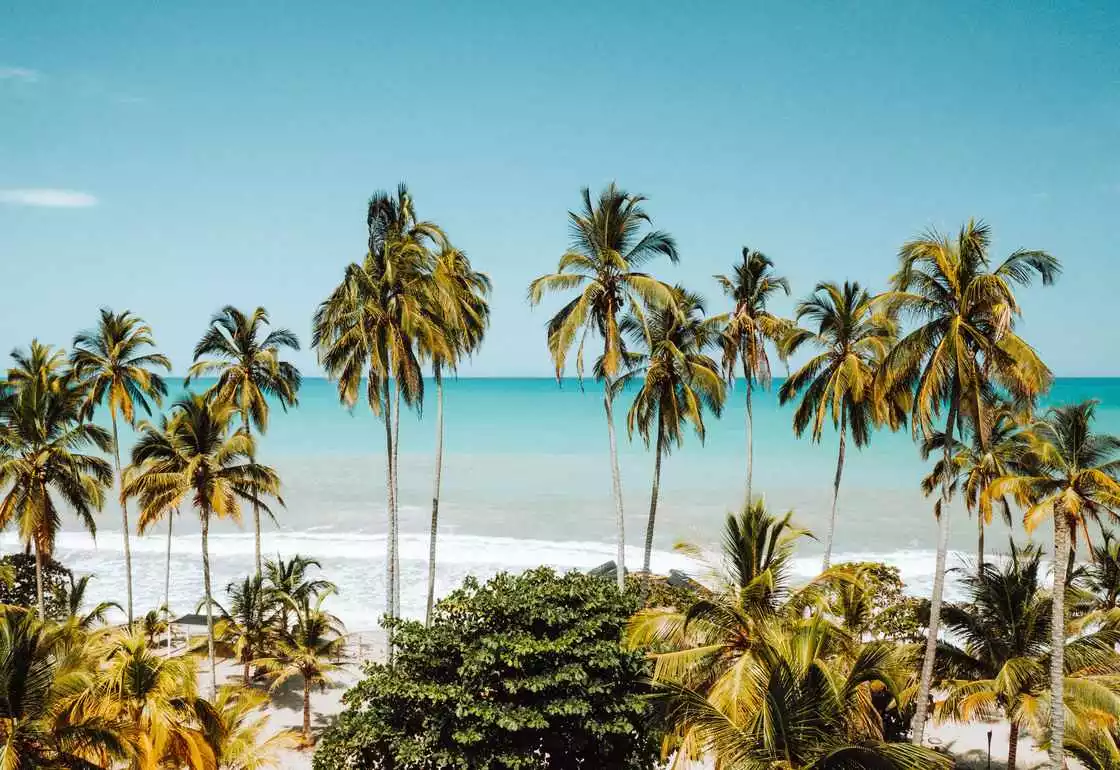
  • Cartagena – The jewel of Colombia, with its walled city, Caribbean beaches, and growing wellness tourism scene. Perfect for history, nightlife, and a touch of luxury.

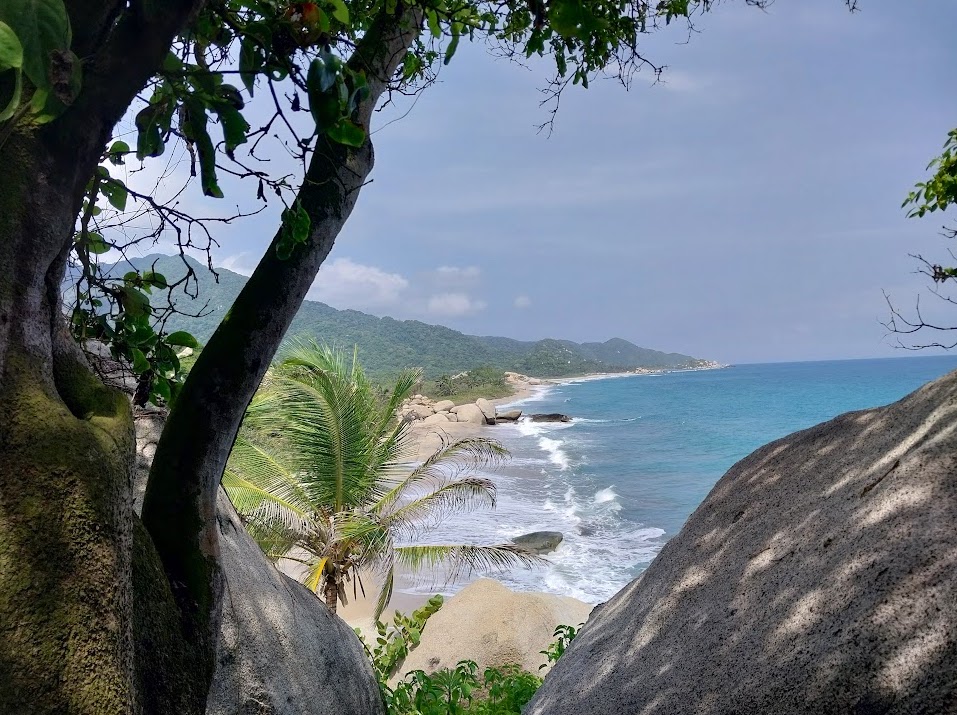
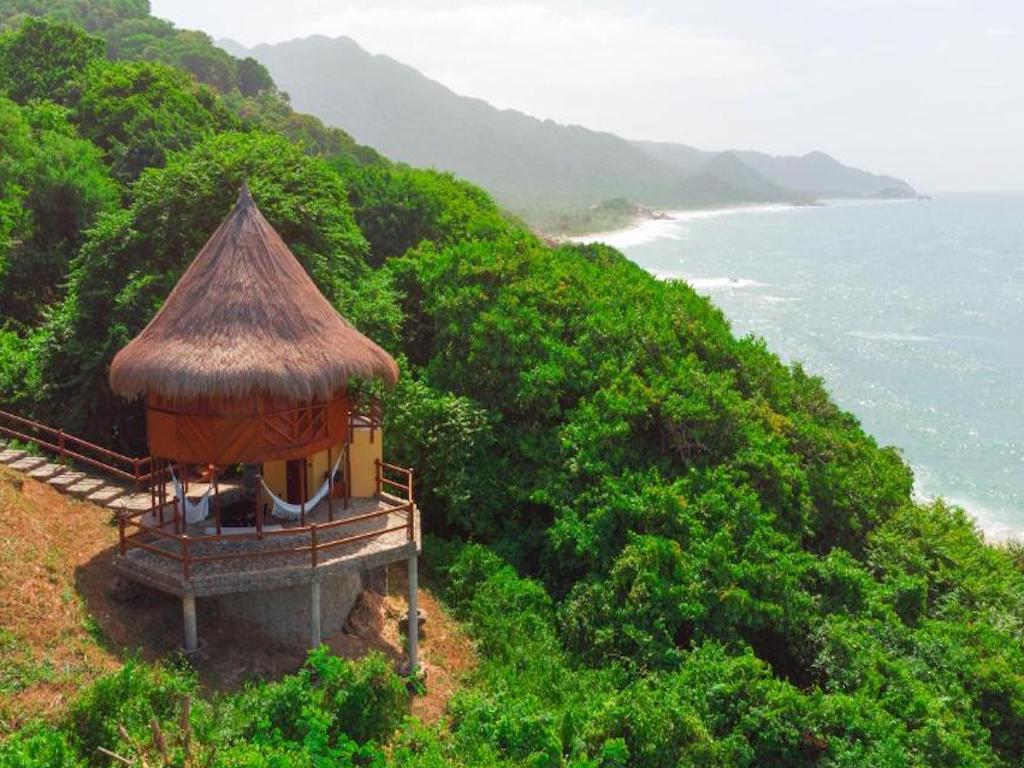
  • Santa Marta & Tayrona National Park – Base yourself in Santa Marta and head to Tayrona for hikes through jungle trails that open onto turquoise beaches.

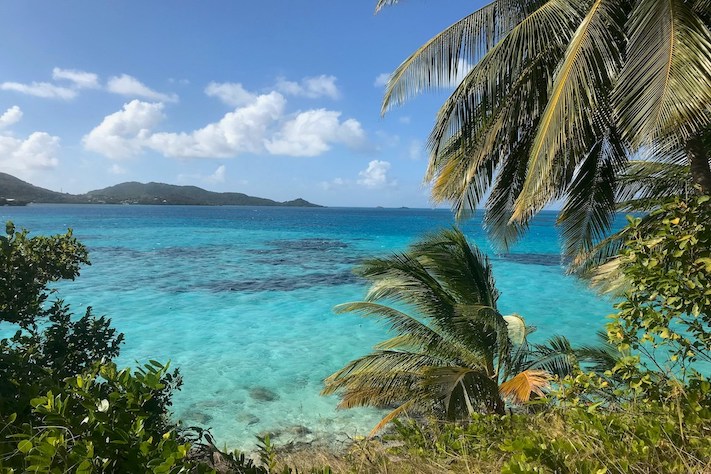
  • San Andrés & Providencia Islands – Safe, laid-back Caribbean paradises with white-sand beaches and world-class diving.
2. Coffee Triangle (Eje Cafetero)

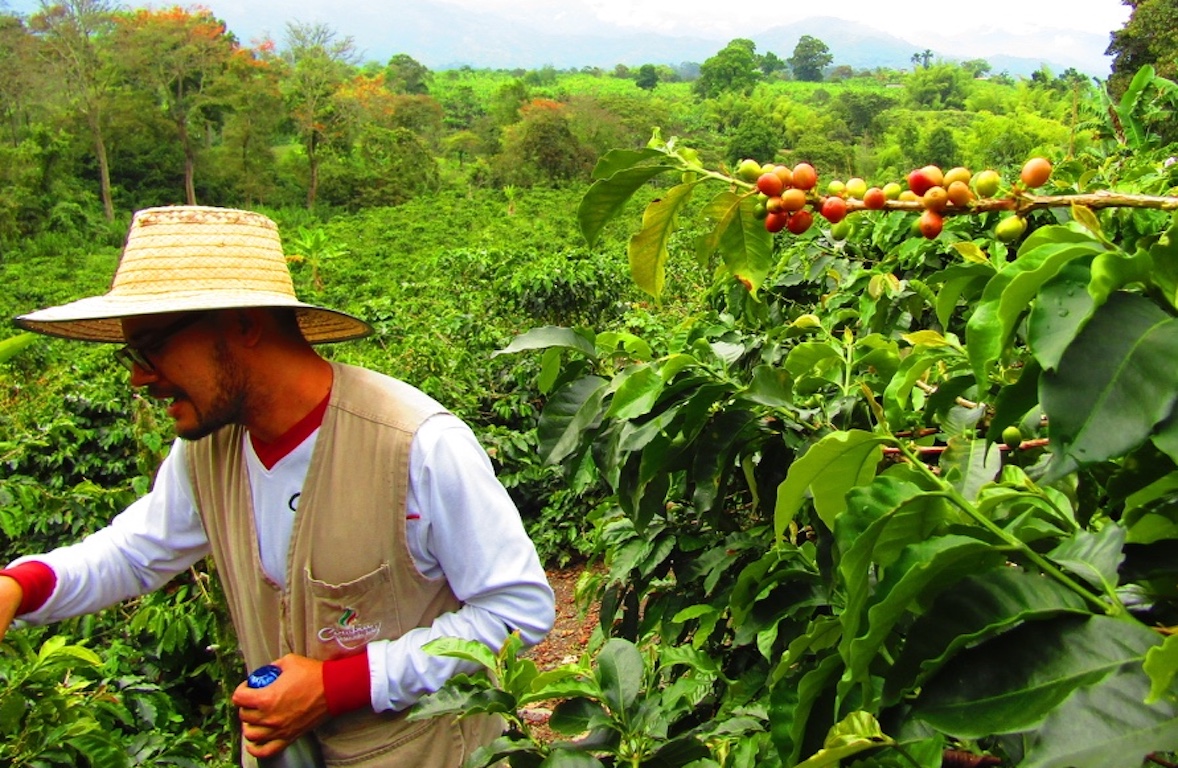
  • Salento & Cocora Valley – Famous for the giant wax palms and vibrant coffee culture.

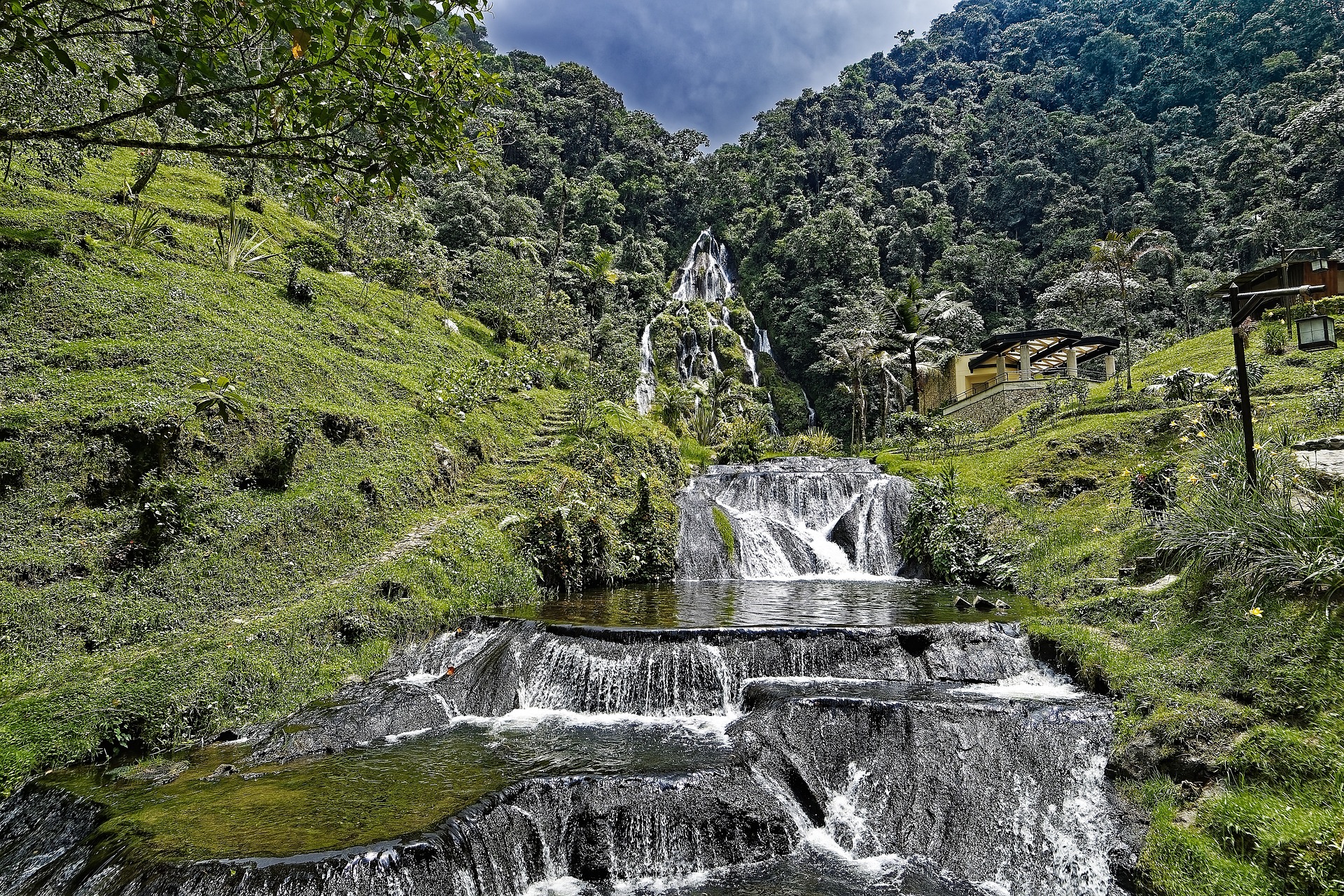
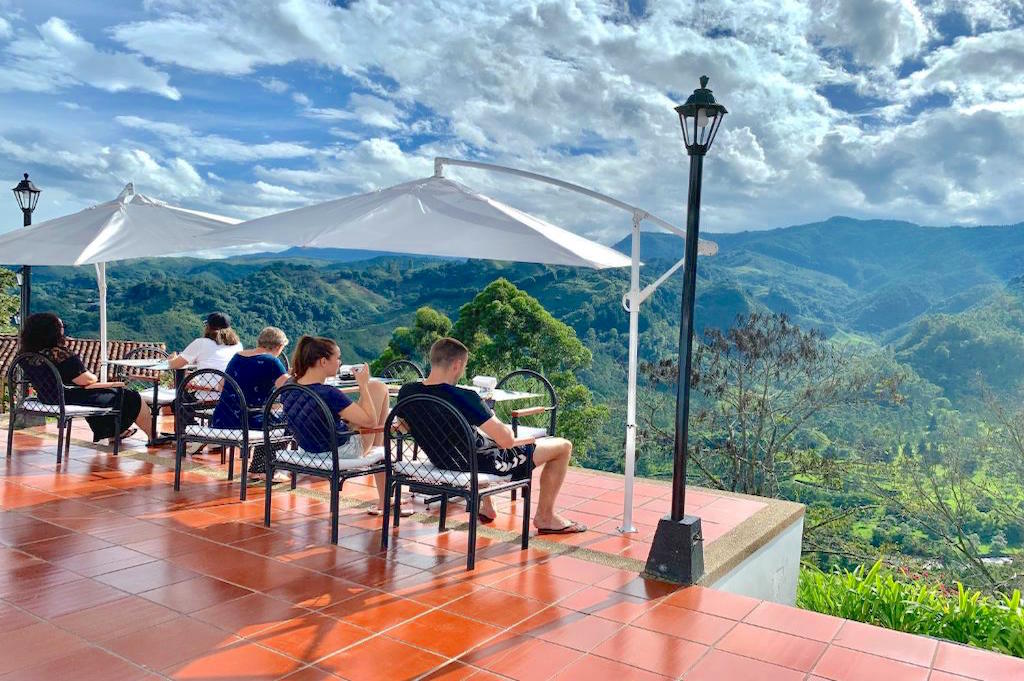
  • Manizales & Armenia – Peaceful towns surrounded by coffee farms, hot springs, and rolling green hills.

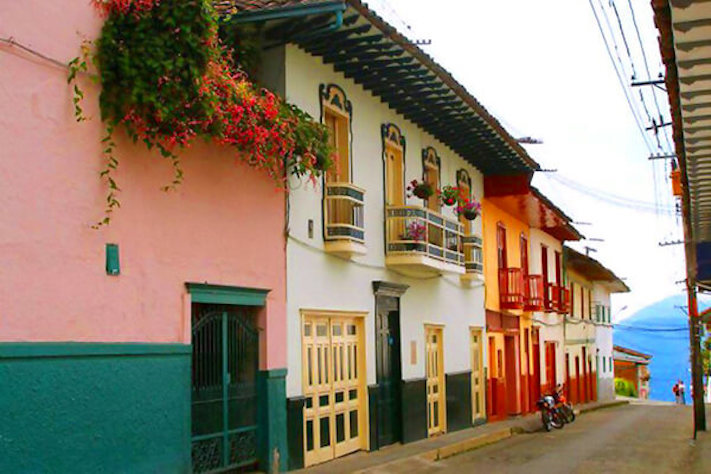
  • Filandia – A colorful, smaller alternative to Salento with fewer crowds.
3. Big Cities with touristic zones

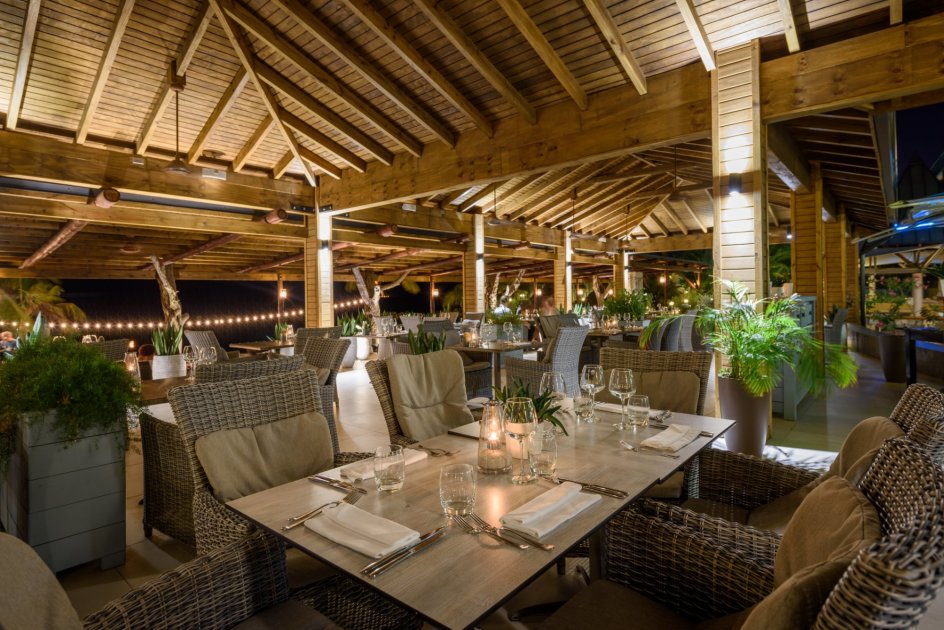
  • Medellín – A city of innovation with cable cars, botanical gardens, Comuna 13 street art tours, and day trips to Guatapé. Stick to El Poblado, Laureles, and tourist circuits.

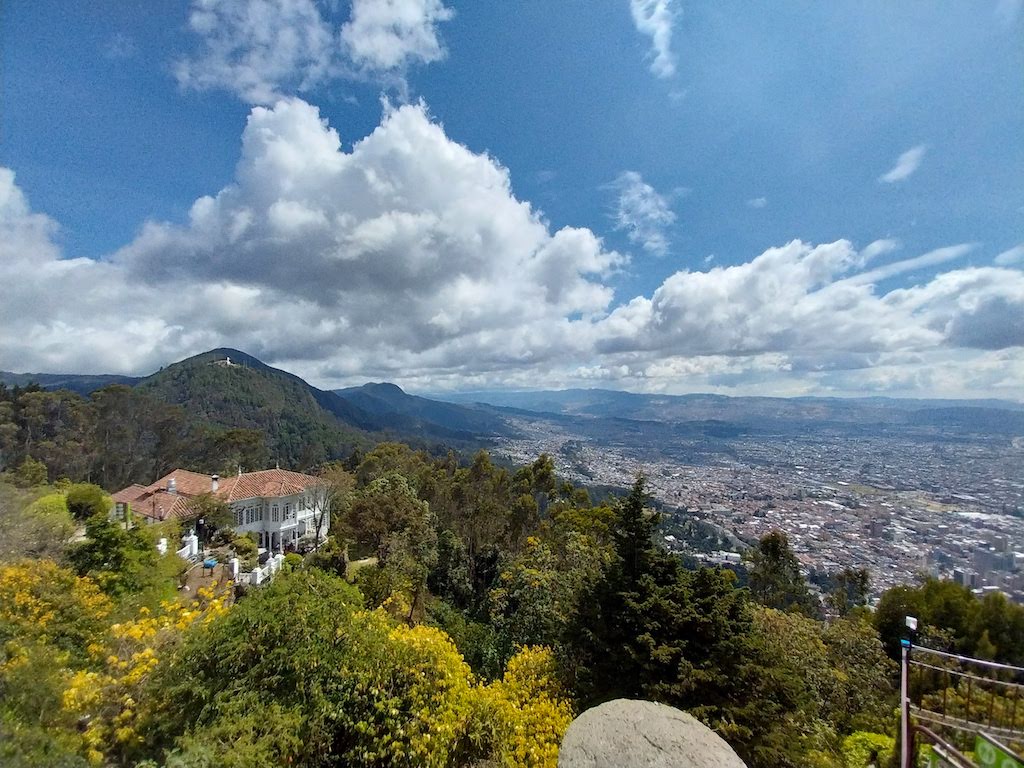
  • Bogotá – Colombia’s capital, where travelers enjoy Monserrate hill, Museo del Oro, street art tours, and day trips to Zipaquirá’s Salt Cathedral

  • Barranquilla – Known as the gateway to the Caribbean and home to Colombia’s most famous Carnival, a UNESCO cultural heritage event. The city blends modern growth with Caribbean culture—explore the Gran Malecón del Río, visit the Museo del Caribe, and enjoy coastal gastronomy like arepa de huevo and fresh seafood.
4. Nature & Adventure

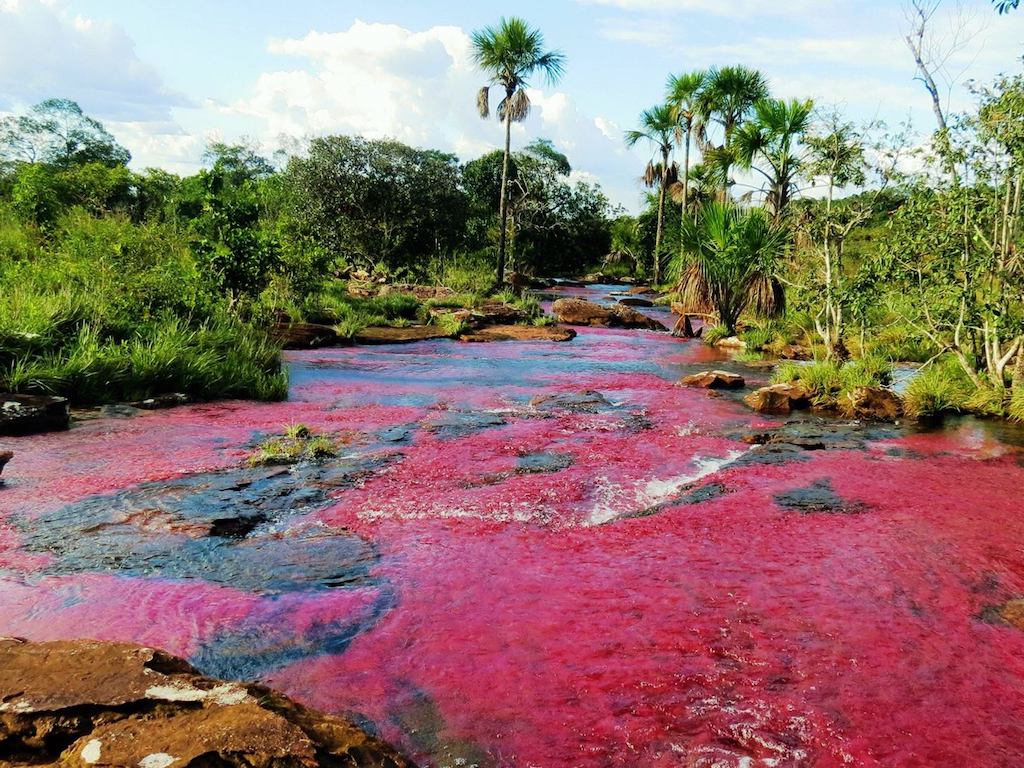
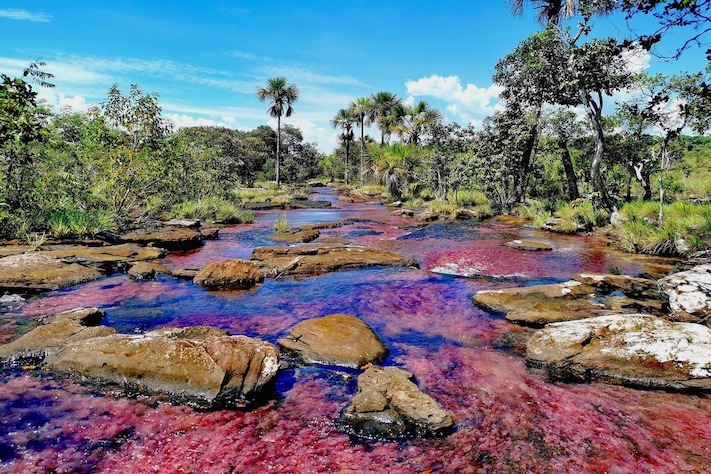
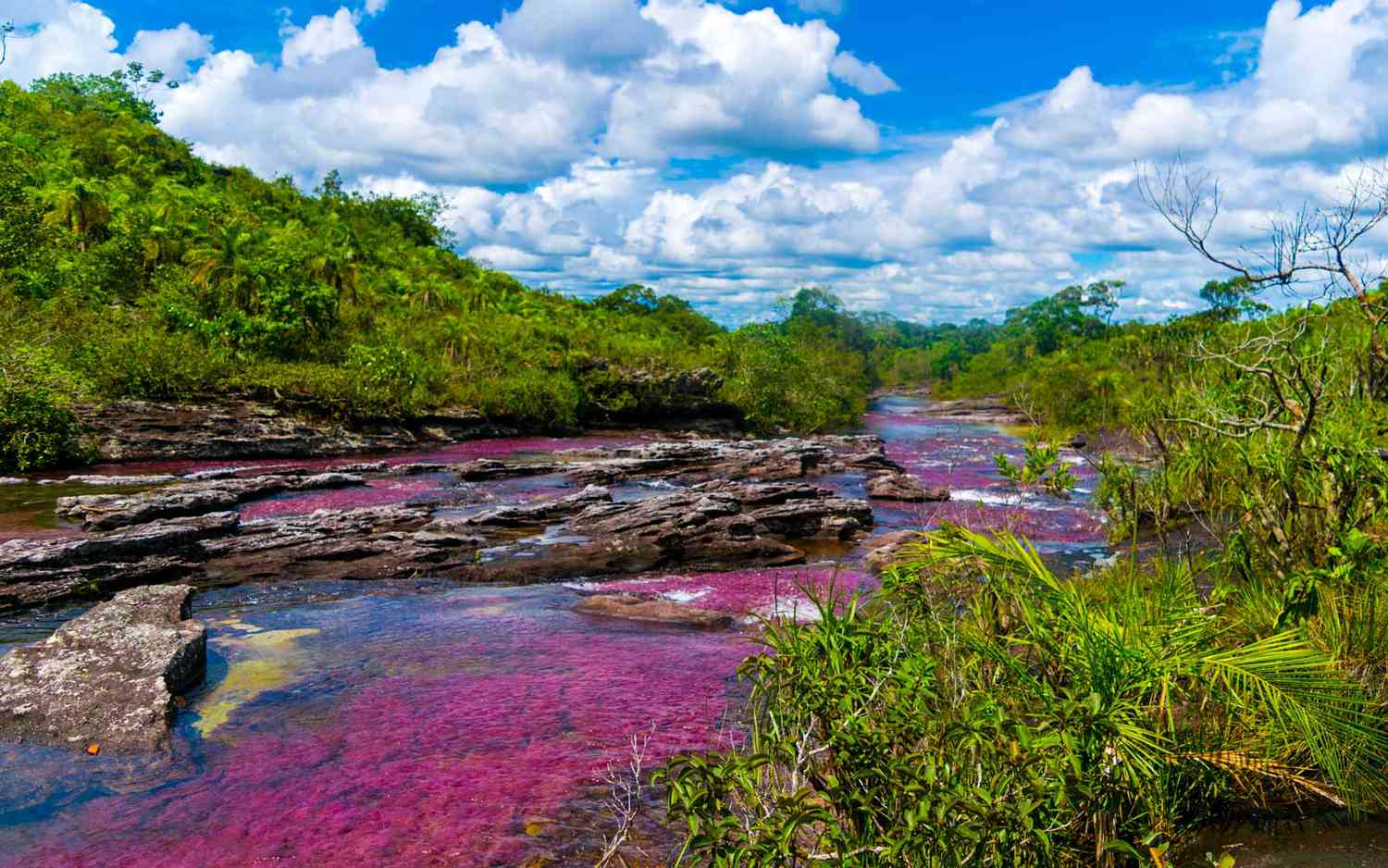
  • Caño Cristales (Meta) – Known as the “river of five colors,” safe with guided tours.

  • San Gil (Santander) – Colombia’s adventure capital for rafting, paragliding, caving, and hiking.

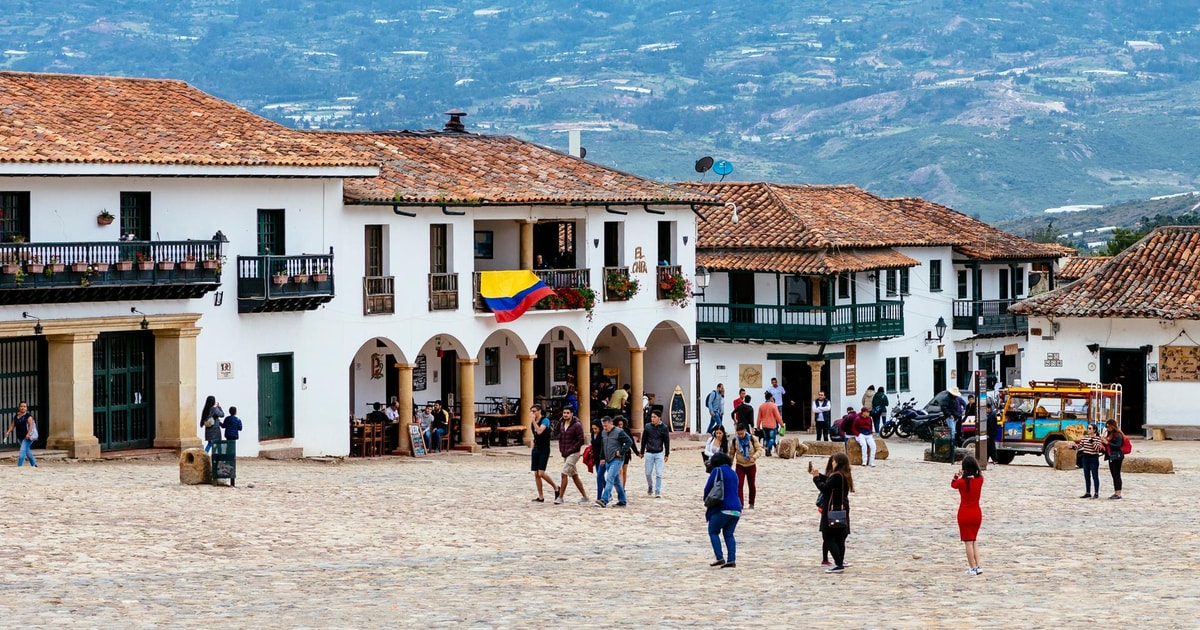
  • Villa de Leyva – A colonial gem with cobblestone streets, wineries, and surrounding nature hikes.
Regions best avoided in 2025

Some areas remain unstable due to armed groups and illicit activities:

  • Border zones with Venezuela and Ecuador

  • Departments like Arauca, Cauca (outside Popayán), Norte de Santander

  • Remote coca-growing regions

These areas are not on most tourist itineraries anyway, so avoiding them won’t limit your trip.

Tips for traveling smart in Colombia

  • Travel by plane between major destinations (saves time and avoids unsafe highways at night).

  • Use apps like Uber or hotel-arranged taxis in cities.

  • Stick to daytime activities and avoid wandering outside tourist neighborhoods after dark.

  • Learn a few Spanish phrases—it goes a long way in building trust.

Why Colombia in 2025 is still worth it

Despite the warnings, millions of travelers visit Colombia each year and leave with unforgettable experiences. Whether you’re sipping coffee on a plantation, dancing salsa in Cali, snorkeling in San Andrés, or hiking to hidden waterfalls, Colombia offers more than enough safe adventures to make your trip worthwhile.

In 2025, Colombia remains a country of colors, rhythms, and warm welcomes—just choose the right regions and you’ll have the trip of a lifetime.

Top 10 tips for El Dorado airport Bogotá

Home 9 Category: Practical information about Colombia

10 Helpful (and Tasty) Tips

Time to spare before your departure from El Dorado airport?

Great! With it’s good facilities, the airport is a convenient place to spend a few hours.

Check out our 10 tips for things to do at El Dorado airport Bogotá here.

  1. Scoring a new backpack
    At Totto, you’ll find backpacks, suitcases, bags and other handy travel items. You’ll see the store as you walk toward the national departure hall.

2. Get a free yellow fever shot
You can get the shot at hospital de Fontibón, next to the international departure hall. Keep in mind though, that you must get a yellow fever shot at least 10 days before arriving in a high-risk area.

3. Have lunch at Crepes & Waffles
Not just for a crepe or waffle, but also for a soup, salad or ice cream sundae. You’ll find the restaurant next to the international departure hall. There is a smaller restaurant in the national departure hall.

4. Feast on a juicy burger
At El Corral, order a burger “Colombian style,” with all the delicious toppings.

5. Buy a box of Arequipe donuts to take home
These super-sweet (but oh-so-delicious) donuts with arequipe (caramel) can be bought at Dunkin Donuts or the Donut Factory.

6. Order a cup of coffee made with care
There are specialized, small coffee shops, which you can recognize by the fancy coffee machines. For a cheaper cup of coffee (+ free wifi), Cafe Oma is highly recommended. For the tastiest cappucino you have to be at Zyrope cafe bar!

7. Eat and relax in the large food court
There is a spacious, modern food court in the international departure hall. You can choose from all kinds of drinks and food, from healthy smoothies to snacks and full meals. Our favorite: Gaira Café; this restaurant is at the back of the food court, in a quieter location. The restaurant is not cheap, but the setting is nice and spacious: you have all the space for your hand luggage.The restaurant is owned by Colombian singer Carlos Vives and decorated with all kinds of musical instruments.

8. Buy a unique handmade souvenir
At El Market you can buy beautiful painted bowls, among other things. For a cheaper souvenir, visit the stores towards gate 10.

9. Surf the internet with free wifi
There is free wifi in most places at the airport, but the signal at the gates is often not as strong. In that case, order a drink at the food court and enter the “clave” listed on your receipt. That is the code for the wifi.

10. Check here for locations and opening hours
Website El Dorado – restaurants
Website El Dorado – stores

Look here for General information El Dorado airport

Check here for the best hotels close to El Dorado airport.

What is the best travel time for Colombia in terms of climate?

What is the best travel time for Colombia in terms of climate?

Home 9 Category: Practical information about Colombia

Colombia is a fascinating country with a wide variety of landscapes, climates and activities. From tropical beaches on the Caribbean coast to the green hills of the Coffee Triangle and the mysterious rainforests of the Amazon, Colombia has it all. But what is the best time of year to visit the country? In this article, we explain Colombia’s climate and give you tips to make the most of your trip.


The climate in Colombia

Colombia is close to the equator, giving the country a tropical climate. This means that temperatures remain fairly constant throughout the year, depending on the altitude and region where you are. In Colombia, instead of four seasons, there are actually two:

  • The dry season (verano): This season runs from December to March and from July to August.
  • The rainy season (invierno): This season runs from April to June and from September to November.

Although the dry season sounds ideal, the rainy season also offers unique advantages, such as an exuberant green landscape and fewer tourists.

Here you will find everything you need to know about Colombia’s climate, best travel time by region and tips.

Best travel time by region

    1. Caribbean coast (Cartagena, Santa Marta, Tayrona, La Guajira).

    The Caribbean coast is warm and sunny year-round, with temperatures between 25 and 30 degrees. The dry season (December through March) is the most popular, as this is when there is little rain and the beaches are at their most beautiful. October and November see the most rain.

    Tips:

    • Going to Tayrona National Park, keep in mind the annual closure dates. In 2024, Tayrona will be closed from Feb. 1 to Feb. 15, June 1 to June 15 and Oct. 19 to Nov. 2.
    • Visit Cartagena in January or February/March when the weather is perfect and you can enjoy the Hay Festival, (an international arts festival) or the Carnaval de Barranquilla.
    • Going to the islands of San Andres and Providencia, keep in mind that these islands are located in the southern part of the hurricane belt. Het orkaanseizoen loopt van juni t/m november, maar orkanen komen in het Caribisch gebied het meest voor vanaf augustus.
    • If you go to La Guajira go, avoid the months of May, October and November, when the roads quickly become impassable due to rain.

      2. The Andes Mountains (Bogotá, Medellín, Cali).

      In the Andes, the climate is highly dependent on altitude:

        • Bogotá (high altitude): Cool with average temperatures around 15 degrees. The driest months are December through February and July and August.
        • Medellín (the “city of eternal spring”): Always pleasant, with temperatures around 22-24 degrees. The dry season (December to March) is ideal for activities
        • Cali(the city of salsa): Cali is located in a valley. It is hot during the day (around 32 degrees) and the sun is bright. At night, a refreshing breeze provides some cooling. The temperature is about the same throughout the year

      Tips:

      • Plan your visit during the Flower Festival (Feria de las Flores) in Medellín in August!
      • Go to Cali in September for the Festival Mundial de Salsa or around Christmas and New Year, for the Feria de Cali.
      • Around Christmas, also visit Monserrate in Bogotá and Medellín, which is known for its extravagant Christmas decorations ” El Alumbrado”

      3. Eje Cafetero (Coffee Triangle: Manizales, Pereira, Armenia)

      The coffee region has a temperate climate, with an average temperature of around 20 degrees. It can get nice and warm during the day and cool off at night. The driest months are December through March and July and August, perfect for visiting coffee plantations and picturesque villages such as Salento and Filandia to visit.

      Tip: Visit this region in October or November to see the coffee harvest up close!

      4. The Amazon (Leticia, Puerto Nariño).

      The Amazon is humid and hot, with temperatures around 30 degrees. The hottest period is from August through November. The Amazon has a season of low water (June through November) and high water (December through May). With the high water, the river can be as much as 10 meters higher! The low-water period is perfect for trekking and animal spotting. The weather is drier with occasional showers. The high water actually offers the chance to explore rivers that are passable only then, an ideal season therefore for boat trips, kayak trips, waterfowl watching and dolphin sightings in Lake Tarapoto.

      Tips:

      • Always bring light, breathable clothing and a good raincoat, regardless of the season.
      • Most rain falls in the month of March.

      5. The llanos orientales (Caño Cristales, Casanare, San José del Guaviare).

      In the lowlands of Colombia it is hot and humid. The average temperature is around 27 degrees. The period from December to February is the driest and hottest. This is a good period to spot animals in Casanare, when animals gather at the water holes. The rainy season (June to November) is the best period to see the pink rivers in Caño Cristales and San José del Guaviare. Outside the rainy season, the rivers are dry.

      Tip: If you go to the Llanos Orientales between June and November, the best chance for good weather is from July through September. There are fewer cloudy or rainy days then.

      6. Chocó (Pacific)

      The region Chocó is one of the wettest places in the world, which makes for exuberant nature with dense jungle. It has the most sunshine and the least rain from January through March. This time is perfect for hiking in the jungle, taking boat trips and diving and snorkeling. The average temperature is around 26 degrees.

      Tip: For a unique experience, head to Nuquí or Bahía Solano and El Valle to spot whales off the coast. During this period, humpback whales come to the Colombian coast to give birth to little ones.

      General tips for planning your trip


      Now that you know all about Colombia’s climate, the planning of your trip can begin. Here are some general tips:

        • Avoid the high season if you can: December to February and the week of Easter (Semana Santa) are busy periods. Book accommodation and tours well in advance if traveling during these periods
        • Check festivals and events: Colombia has many unique festivals that guarantee an extraordinary cultural experience!
        • Check the travel guides by destination for events in your favorite region and specific weather information
        • Prepare for rain: Even in the dry season, you can expect a rain shower. Bring a light raincoat.
        • Read articles with helpful tips for planning your trip to Colombia, including information on vaccinations, safety and more.

      Conclusion

      The best travel time for Colombia depends on the region you want to visit and the activities you want to do. In general, the dry months (December-March and July-August) are ideal for most destinations, but the rainy season can also be fine thanks to the beautiful green landscape and fewer tourists.

      Whether you want to explore the beaches of Cartagena, taste coffee in the coffee region, or go on an adventure in the Amazon, Colombia is a fantastic destination all year round!

      Plan your trip to Colombia today and discover why this country continues to surprise so many travelers!

      The best routes to discover Colombia

      The best routes to discover Colombia

      Home 9 Category: Practical information about Colombia

      A country of stunning contrasts, Colombia offers everything from tropical beaches and colonial cities to lush jungles and impressive mountain landscapes. To help you get the most out of your trip to Colombia, we’ve compiled some of the best itineraries in Colombia for you. Whether you’re planning a short visit or a longer vacation, these itineraries offer the perfect blend of culture, nature and adventure.

      1. Classic Tour: From the Andes to the Caribbean Sea (10-14 days)

      Highlights: Bogotá, Villa de Leyva, Medellín, Cartagena, Tayrona National Park.

      Start your journey in Bogotá, the capital of Colombia, with a visit to historic La Candelaria and the famous Gold Museum. Then travel to Villa de Leyva, a charming colonial town surrounded by mountains.

      Fly from Bogotá to Medellín, the city of eternal spring, and discover the transformation of this dynamic city. Finish your trip on the Caribbean coast with a visit to Cartagena, a UNESCO World Heritage city and hike to the spectacular beaches of the Tayrona National Park.

      Practical Tips:

      2. Adventure Route: Jungle, mountains and culture (14-18 days)


      Highlights:
      Bogotá, San Agustín, Popayán, Cali, Eje Cafetero, Medellín.

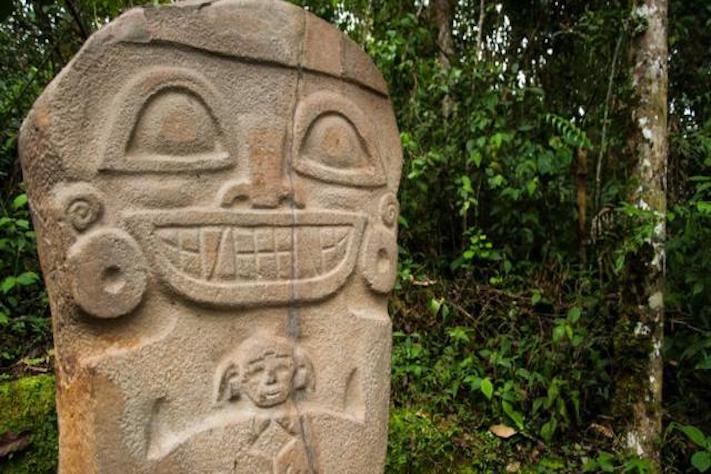
      Start in Bogotá and travel south to San Agustín, famous for its archaeological parks and mysterious statues. Continue to Popayán, the white city, and then visit Cali, the capital of salsa.

      Visit the Eje Cafetero (coffee region) with villages like Salento and Filandia for an authentic coffee experience and finish in Medellín with a visit to the surrounding villages such as Jardin and Guatapé.

      Practical Tips:

      • This route is great to do by bus. Bus transportation is well organized, with several buses each day.
      • Plan a coffee tour with local farmers for a unique experience.

      3. Caribbean coast and tropical beaches (7-10 days)

      Highlights: Cartagena, Rosario Islands, Santa Marta, Minca, Tayrona National Park

      For those who love sun, sea and relaxation, this itinerary is perfect. Explore the colorful streets of Cartagena and take a day trip to the Rosario Islands for crystal clear waters and white sand beaches.

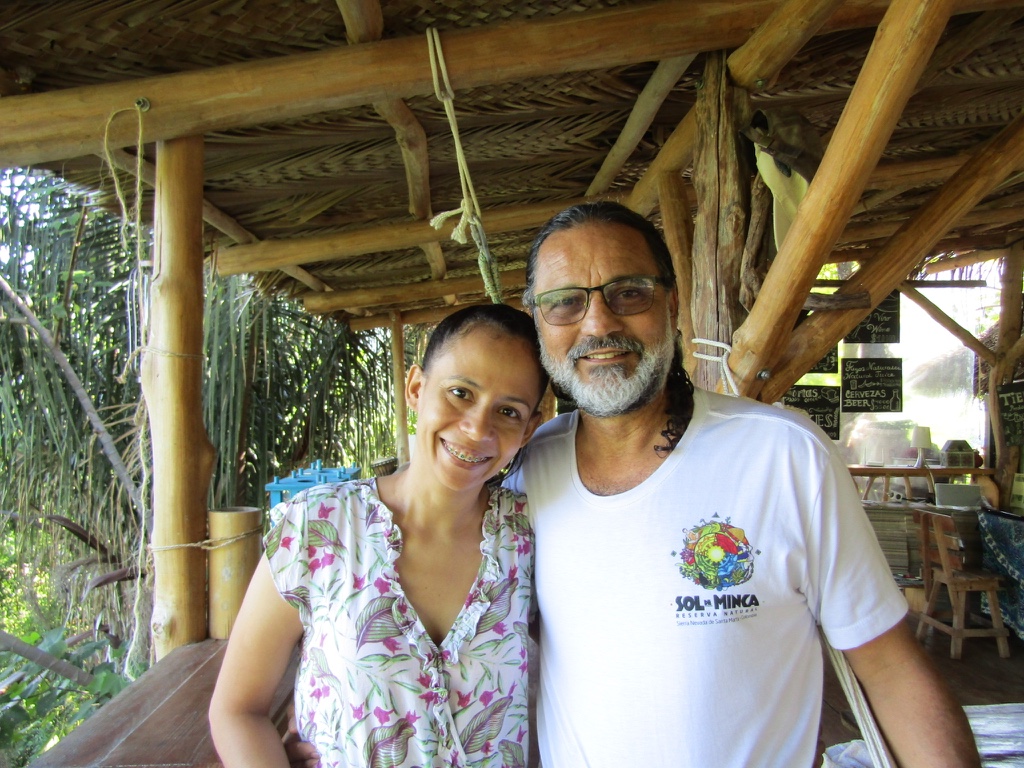
      Next, travel to Santa Marta and discover the charming mountain village of Minca, where you can hike, visit coffee plantations and enjoy breathtaking views. In Tayrona National Park you can visit beautiful beaches, which you reach after a hike through the jungle.

      Practical Tips:

      4. The Amazon Adventure (5-7 days).

      Highlights: Indigenous culture, Amazon rainforest, Puerto Nariño

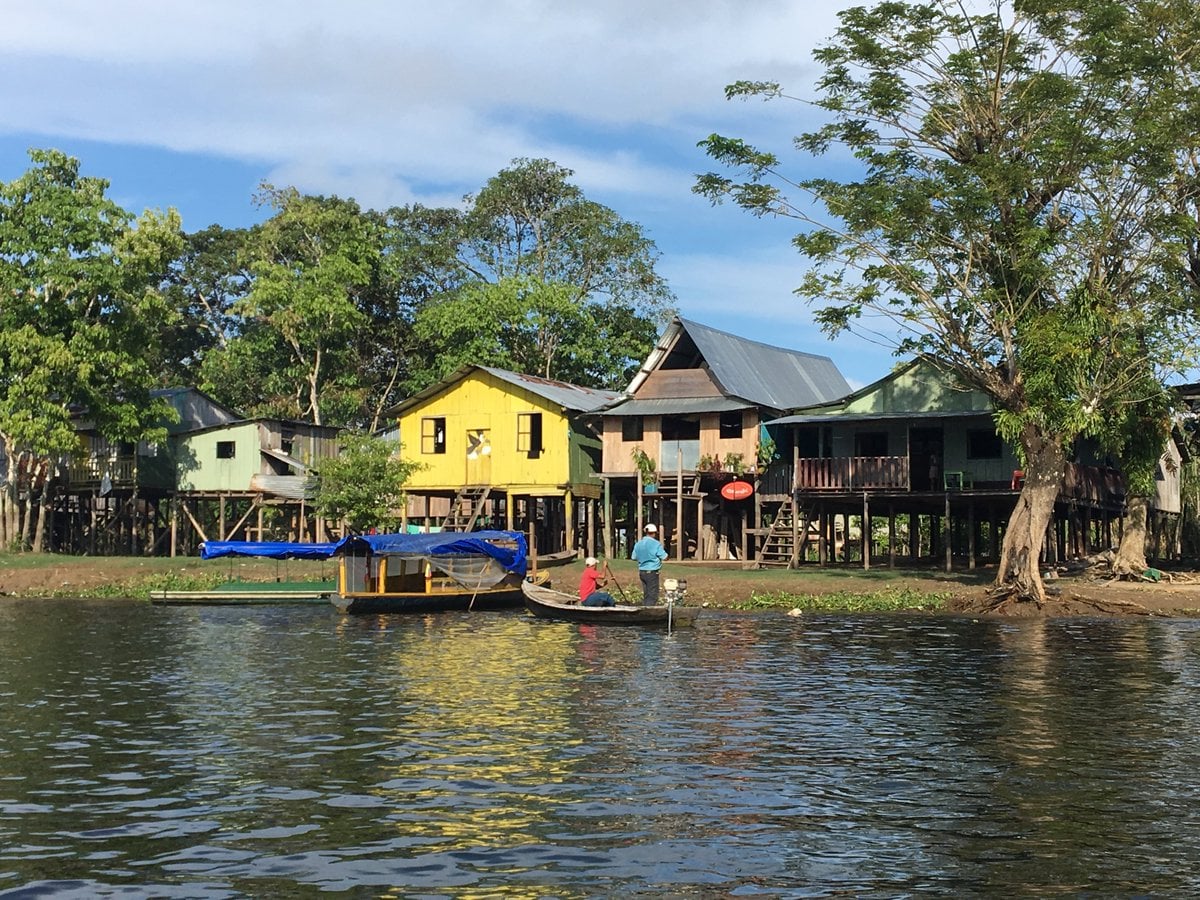
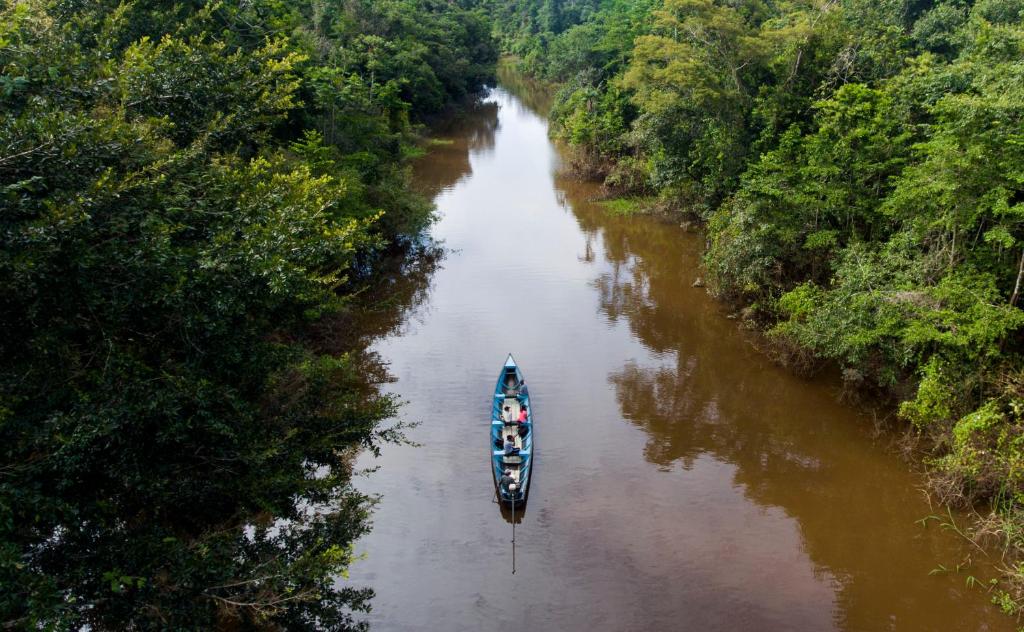
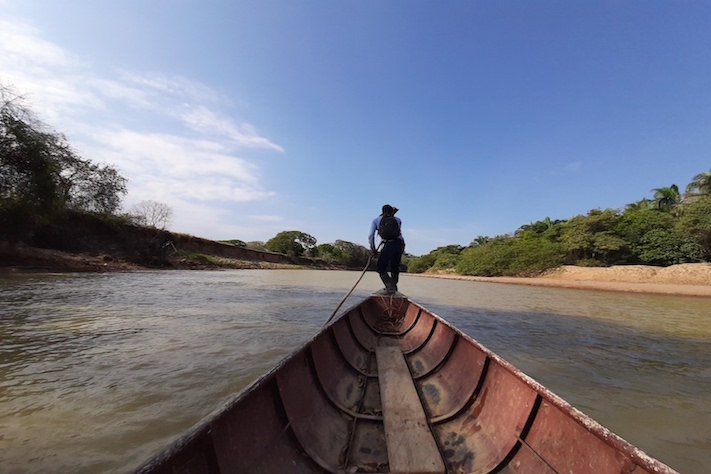
      For nature lovers, a trip to the Amazon a unique experience. Start in Leticia, the gateway to the Colombian Amazon, and take boat trips along the river. Visit Puerto Nariño and one or more indigenous communities and experience the interesting culture.

      Practical Tips:

        • Get vaccinations (such as yellow fever) before your departure. Look here for more information on vaccinations
        • Bring flashlight, breathable clothing and a good anti-insect spray.

      5. Off the beaten track route: southern Colombia (10-12 days)

      Highlights: Pasto, Las Lajas Sanctuary, Popayán, Tierradentro.

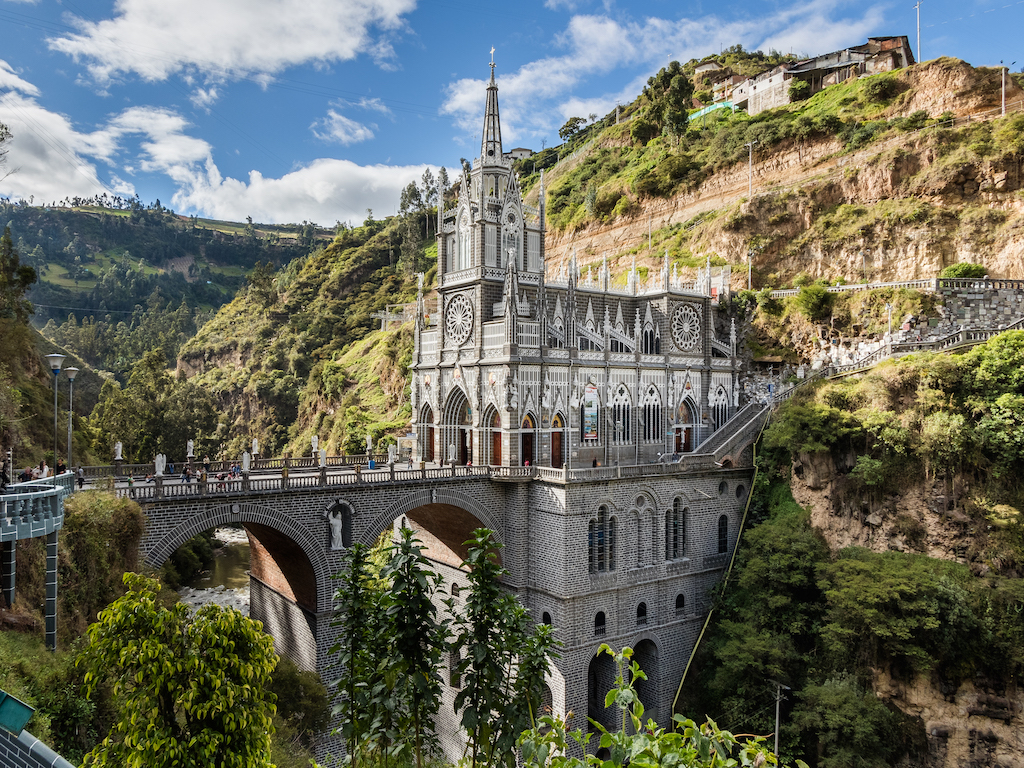
      This route takes you through lesser-known but breathtaking destinations. Start in Pasto and visit the impressive Las Lajas Sanctuary, built on a bridge above a gorge. Continue to Popayán and discover the archaeological park of Tierradentro, which is famous for its underground tombs.

      Practical Tips:

      • This region is ideal for travelers who want to avoid the crowds.
      • Hire a local guide for a better understanding of the archaeological sites.

      Why Colombia is perfect for international travelers


      1. Direct flights: There are lots of direct flights connecting North America and Europe with Colombia. A trip to Colombia is also good to combine with a tropical Caribbean vacation to for example the ABC islands Aruba, Bonaire and  Curacao. There are good flight connections and frequent flights between the ABC islands and Bogotá, Medellín and Barranquilla.
      2. Varied climate: From cool mountain air to tropical heat, there is something for everyone.
      3. Authentic Experiences: Colombia offers a unique blend of culture, nature and hospitality.

      Plan your trip smartly: Combine multiple itineraries to get the most out of your stay in Colombia. Remember to check travel insurance and any required vaccinations before you leave. Check the climate and the best time to travel and inform yourself about actual travel advice and safety in the destination of your choice.

      View even more great routes to discover Colombia. Do you like traveling off the beaten path? Then read here tips for still unknown destinations in Colombia, away from the masses.

      Colombia as a safe destination: How to enjoy your trip without worries

      Colombia as a safe destination: How to enjoy your trip without worries

      Home 9 Category: Practical information about Colombia

      Colombia has become a popular vacation destination in recent years, and for good reason. The country offers beautiful nature, vibrant cities and a rich culture. Yet many travelers wonder: is Colombia safe? In this article, we share practical tips and information so you can enjoy all that Colombia has to offer carefree.

      1. Is Colombia safe?


      The security situation in Colombia has improved significantly in recent decades. Cities such as Bogotá, Medellín and Cartagena have invested in infrastructure and security, attracting more and more tourists. As with other destinations, it is important to stay alert and follow basic safety rules.

      2. Preparation: safety begins at home


      Before you travel, there are several steps you can take yourself:

      • Read our extensive article on safety and travel advice for Colombia
      • Check travel advisories: Visit the official website of your countries embassy or Foreign affairs for the most up-to-date travel advisories. A useful website with lots of information about the safety in Colombia, is the website of the American embassy in Bogotá, who informs her citizens about security alerts. Here you can read the travel advice from the Canadian government and the United Kingdom
      • Travel insurance: Get good travel insurance that provides medical coverage.
      • Vaccinations: Be informed about recommended vaccinations, such as yellow fever and hepatitis. Read more information about vaccinations and medical care in Colombia here.

      4. Practical tips for traveling safely in Colombia


      Follow these simple guidelines to make your trip smooth and safe:

      1. Avoid traveling at night: Prefer to travel during the day, especially when traveling between cities.
      2. Use official cabs or apps: Apps such as Uber, Didi or Cabify are safer than hailing a cab on the street.
      3. Be discreet with valuables: Leave expensive jewelry and large amounts of cash in your hotel safe.
      4. Learn some basic Spanish phrases: This will not only help you communicate with locals, but can also come in handy in emergency situations.
      5. Stay on the tourist trails: Avoid remote areas that are not popular with tourists.

      5. Colombian hospitality and culture

      One of the biggest reasons Colombia feels safe for tourists is the friendliness of the locals. Colombians are known for their hospitality and will often be willing to help you if you have questions.

      6. What to do in case of emergency?


      Should you find yourself in an unforeseen situation, here are some helpful tips:


      • Police: Call 123 for assistance.
      • American Embassy: Note the addresses and phone numbers of the international consulates and embassies
      • Local help: Ask for help from staff in hotels or hostels; they often have good knowledge of the region.

      Conclusion

      Colombia is a wonderful destination that is attracting more and more travelers. With the right preparation and a few safety precautions, you can enjoy all that this diverse country has to offer carefree. Don’t be put off by old stereotypes, and discover for yourself why Colombia is known as the land of magical realism.

      Here you will find more tips for safe travel in Colombia. Specific information about safety per city or region can be found in our travel guides per destination

        Off-the-beaten-track destinations in Colombia

        Colombia has much to offer the traveler, from bustling cities and dense jungle, to beautiful beaches, national parks and traditional villages. There are also still many beautiful, unknown destinations that are not on most travelers’ plans. The reason for this? It is often more difficult to get there or tourism is just getting started. These -off the beaten track- destinations, we at NaarColombia find especially worthwhile!

        Here we share tips for our favorite off the beaten track destinations of Colombia!

        #1 Casanare

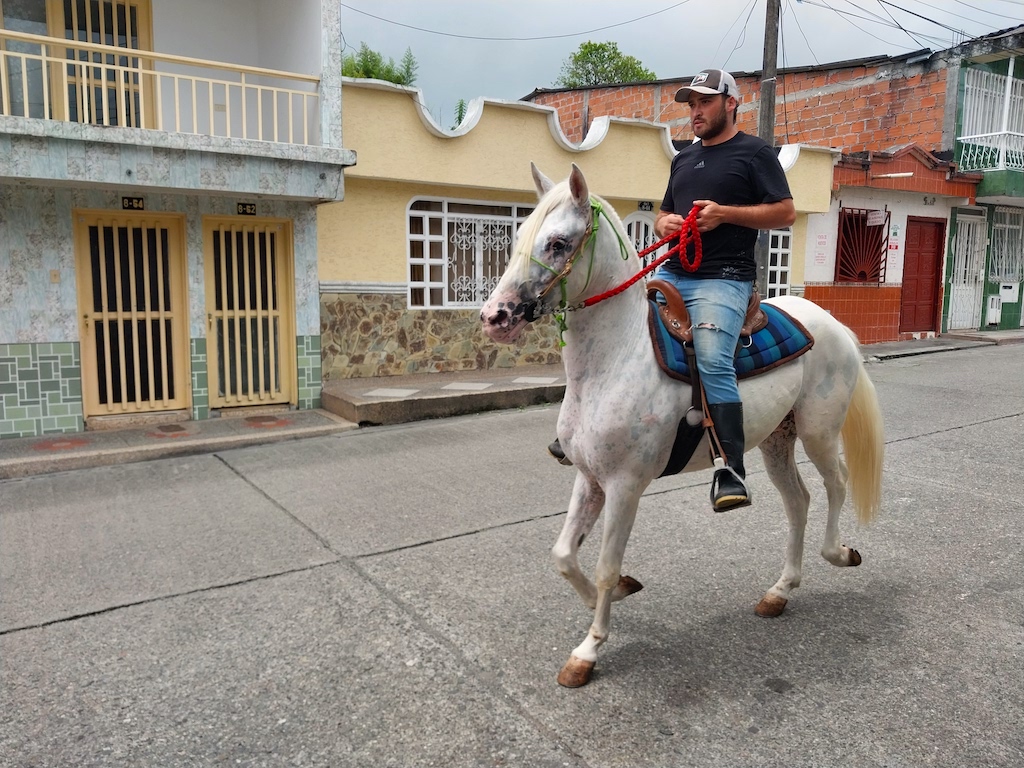
        The department of Casanare in the Llanos Orientales, is known for its great diversity of birds, wildlife and typical Llanero culture. On some hatos (ranches) in the private nature reserves, you can experience the life of the Colombian “cowboys.” Activities you can do are bird watching, horseback riding, wildlife watching during a Colombian safari and take a boat ride on the river. Animals you can see include capybaras (the largest rodents in the world), anteaters, armadillos, caimans and howler monkeys. Starting point for a trip is capital Yopal, accessible by plane from Bogotá and Medellín and by bus from Bogotá. The hatos that are within a few hours’ drive of Yopal are usually easily accessible by car. If you want to get to a hato deep inland, a private transfer from the airport is the best option. Public transportation is limited in these remote areas and you can often only get there by all-terrain vehicle or motorcycle.

        #2 Chocó-Pacific

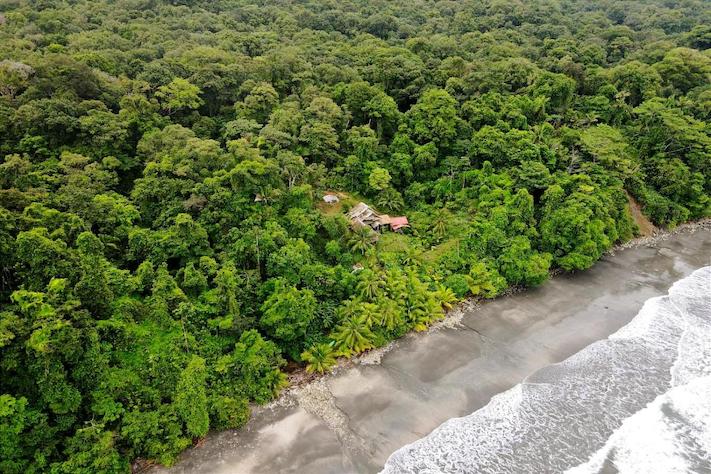
        Chocó is one of the most authentic regions of Colombia and one of the wettest places in the world. Because of this, there is exuberant nature with dense jungle that ends on miles of beaches. This is the best place in Colombia for whale watching and some of the best diving in the world can be found here. Chocó couldn’t be visited for a long time due to the conflict, but nowadays the villages of Nuquí and Bahía Solano + El Valle are safe to visit. Nuquí and Bahía Solano can be reached by a direct flight from Medellín. Chocó is one of the poorest areas of Colombia, but locals have embraced tourism and are happy and proud to welcome travelers. Reason enough to be surprised by the overwhelming nature, wildlife and smiling faces of the largely Afro-Colombian inhabitants. Read our travel guide Chocó for more info about what to do, where to stay and safety in Chocó.


        #3 Amazon

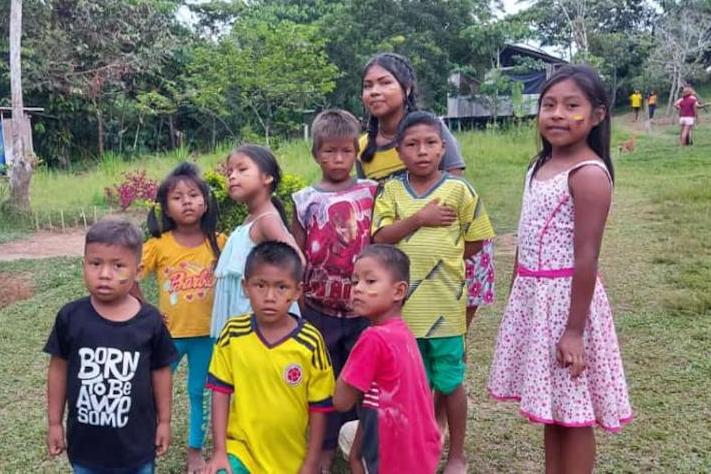
        Capital city Leticia is a well-known destination in the Amazon. Less known is that as a traveler you can also be part of life in an Indian community. A stay at a Native American community guarantees a special experience, where you will learn about the rituals and about the community’s special bond with nature. There are more than 60 indigenous tribes in the Amazon, with the Tikuna being the most important group. Among them, you can stay overnight in the Indian community of Mocagua, a 1h boat ride from Leticia, Santa Sofia at 1h, Macedonia at 1.5h and San Martin de Amacayacu at 2.5h by boat from Leticia. Leticia can be reached by direct flight from Bogotá.

        #4 La Guajira

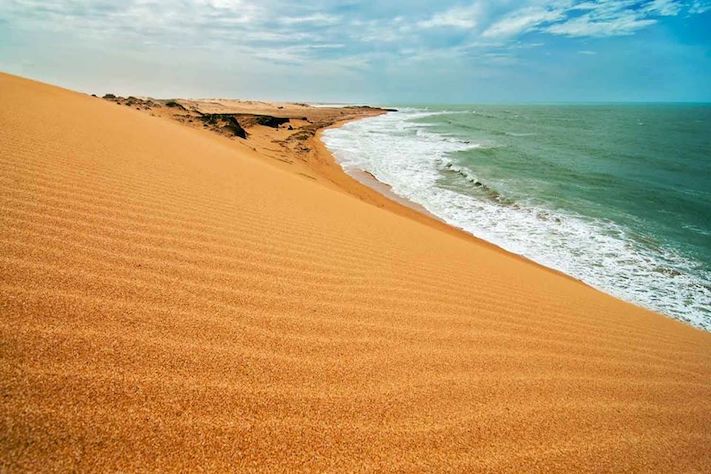
        La Guajira is the northernmost region of Colombia, on the Caribbean coast: 175 km from Santa Marta and 92 km from Palomino. It’s a sparsely populated, isolated and extremely dry area, with desert landschapes, isolated beaches and high sand dunes. It is a poor area, that is located off the beaten track. This is the habitat of the Wayuu indigenous community, the largest group of indigenous in Colomba, who have lived here hundreds of years. The Wayuu survive by fishing and keeping goats. Some Wayuu open their houses for tourism, where you can learn about the Wayuu culture. You can stay overnight in a Rancheria, an authentic Wayuu accommodation. By buying authentic Wayuu handicrafts, including beautiful bags, you also support the local community. A trip to La Guajira, is a trip for adventurers, with the limited infrastructure and “basic” amenities. Do you make the trip to Punta Gallinas, you will have gained an impressive cultural experience and be rewarded with beaches that you have largely to yourself.

        #5 Isla Malpelo

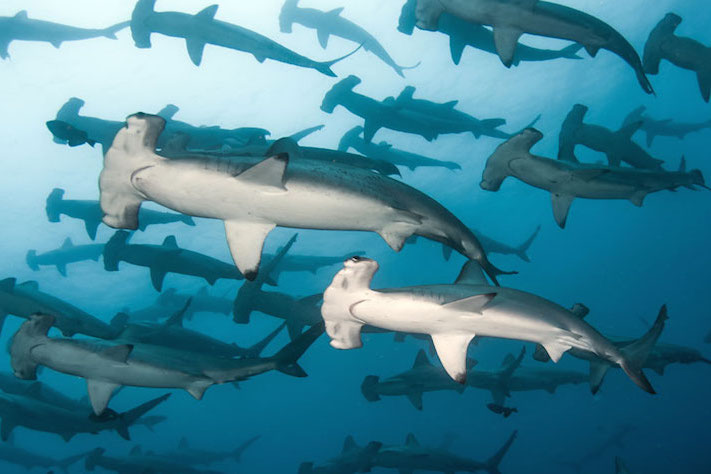
        Ilsa Malpelo is located in the Colombian Pacific, 400 kilometers from the mainland. This is a dream location for divers and one of the best places to dive in the world. Animals you can spot are manta rays, whale sharks (in summer) and nearly 400 species of fish. In addition, Isla Malpelo is “Shark diving capital of the world.” Due to the strong currents, diving on Isla Malpelo is not suitable for beginners. You get there with an organized package trip from Buenaventura or Cali, sleeping on the boat.

        #6 San José del Guaviare

        San José del Guaviare is located in the region Guaviare, on a transitional area between the Llanos Orientales and the Amazon. This results in unique flora and fauna. Travelers there can hike to recently discovered Indian drawings and spectacular rock formations, spot wildlife and take boat trips on the mirror-smooth rivers. San José del Guaviare also has its own pink river at Tranquilandia, which is a lot less well-known than Colombia’s most famous pink river: Caño Cristales. For a long time, San José del Guaviare was a “no go” destination because of the drug conflict, but after the peace agreement, tourism has slowly taken off and now the city of San José del Guaviare and its natural attractions, can be visited with a tour operator. These tour operators are working with local Native American communities and families formerly employed in the coca industry and now telling their stories to travelers.  Because tourism hasn’t started till recently, you will be one of the few tourists! Moreover, a trip to San José del Guaviare, is one that will inspire you and give you insight into the history of the country and its inhabitants, who prefer to look forward, rather than back. San José del Guaviare is just over an hour’s flight from Bogotá.


        #7 Tierradentro

        Tierradentro is an archaeological site of nearly 20,000 square meters in the department of Cauca, with statues and tombs from the pre-Columbian civilization lying on top of the hills. You can also visit tombs there, some of which are up to 8 meters deep. Tierradentro is on the Unesco World Heritage List. The easiest way to get there is via Popayán. Not as populair as sites such as the Lost City (Ciudad Perdida) on the Caribbean Coast, it is a destination often skipped while traveling in Colombia. The archaeological site San Agustín is easier to reach during a tour of southern Colombia and is therefore often preferred.


        #8 Coffee Region

        Atmospheric villages abound in the Eje Cafetero/Zona Cafetera, Colombia’s famous coffee triangle. Every traveler going to the Coffee region, has probably heard of Salento -and in lesser extent-  Filandia-, but there are many other (and much quieter!) coffee villages, such as Pijao, Buenavista, Apia, Marsella, Salamina and Aguadas.In Salamina you can visit the Valle de la Samaria, the “alternative “(and much less crowded) Valle de Cocora, an hour’s drive from Salamina.


        #9 Jericó

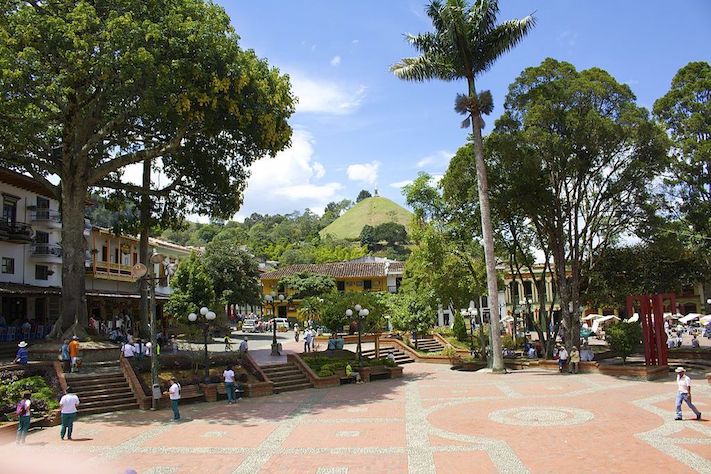
        Many travelers visit while staying in Medellín, the well-known villages Jardín and Guatapé. Het traditionele dorp Jericó is a lot less well known. Except among Colombian tourists and lovers of churches, because there are no less than 17 of them! Jericó is about a 3-hour drive from Medellin.You can visit coffee plantations, hike and horseback ride, among other things. Otherwise, you can mostly relax and enjoy the atmosphere of the colorful village, grab a cup of coffee in one of the nice tents and try the local cuisine in one of the good restaurants. Especially on weekends, the square is a pleasant place to be, where more visitors can be found who come there for a cup of coffee or cerveza, or simply for a chat. Other lesser-known villages near Medellin are Tamesis (3h) and Venezia (2h).


        #10 The island of Providencia

        Providencia is a Caribbean island located some 800 km north of Colombia and 150 km east of Nicaragua. Where neighboring island San Andrés is a popular vacation island among Colombian tourists, Providencia is a lot quieter. The island is mostly visited by travelers who come to dive, snorkel and relax at one of its beautiful beaches. The sea around Providencia is called the “Mar de los 7 colores,” because of the colors in all variations, from aqua to green. The coral reefs around Providencia are part of the 3 e longest coral reef in the world, part of which belongs to the Old Providence McBean Lagoon National Natural Park. Turtles, sharks and rays, among others, are found here. With a past as English colonies, Providencia and San Andrés are an “odd duck” in Colombia. The English influence is still evident: the names of villages and beaches are given in English and Creole English is spoken alongside Spanish. Many locals feel more Caribbean than Colombian and there are many Rastafaris on the island.


        Continue reading here for more destinations in Colombia and the best hotels in Colombia. Need more inspiration for what to do do? Check here more articles with information about the best things to do in Colombia, travel routes and travel stories.