No Results Found
The page you requested could not be found. Try refining your search, or use the navigation above to locate the post.
Colombia has much to offer the traveler, from bustling cities and dense jungle, to beautiful beaches, national parks and traditional villages. There are also still many beautiful, unknown destinations that are not on most travelers’ plans. The reason for this? It is often more difficult to get there or tourism is just getting started. These -off the beaten track- destinations, we at NaarColombia find especially worthwhile!
Here we share tips for our favorite off the beaten track destinations of Colombia!
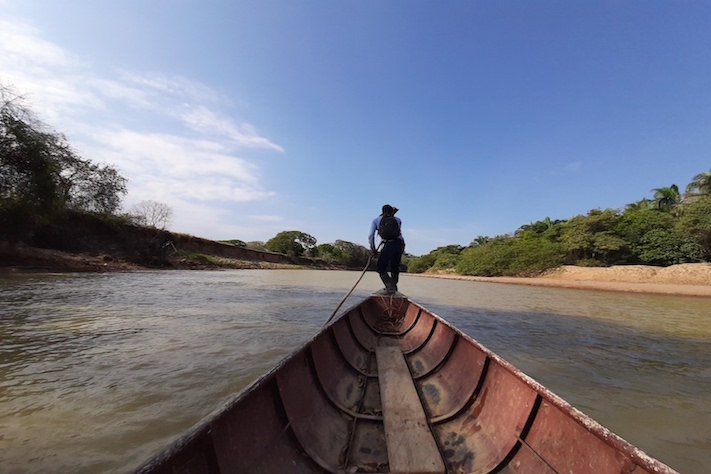
The department of Casanare in the Llanos Orientales, is known for its great diversity of birds, wildlife and typical Llanero culture. On some hatos (ranches) in the private nature reserves, you can experience the life of the Colombian “cowboys.” Activities you can do are bird watching, horseback riding, wildlife watching during a Colombian safari and take a boat ride on the river. Animals you can see include capybaras (the largest rodents in the world), anteaters, armadillos, caimans and howler monkeys. Starting point for a trip is capital Yopal, accessible by plane from Bogotá and Medellín and by bus from Bogotá. The hatos that are within a few hours’ drive of Yopal are usually easily accessible by car. If you want to get to a hato deep inland, a private transfer from the airport is the best option. Public transportation is limited in these remote areas and you can often only get there by all-terrain vehicle or motorcycle.
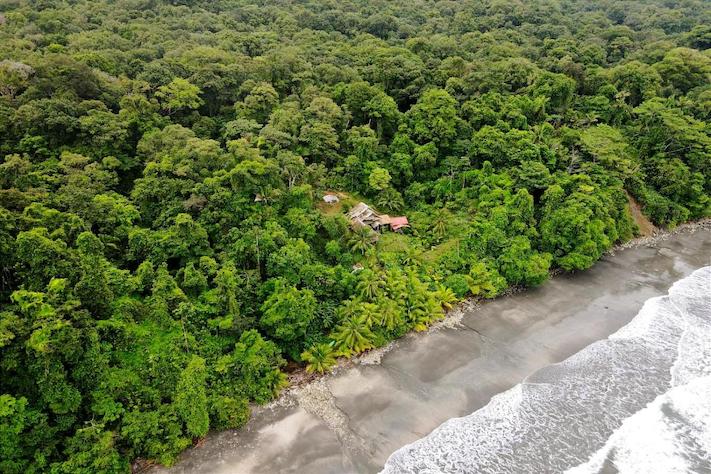
Chocó is one of the most authentic regions of Colombia and one of the wettest places in the world. Because of this, there is exuberant nature with dense jungle that ends on miles of beaches. This is the best place in Colombia for whale watching and some of the best diving in the world can be found here. Chocó couldn’t be visited for a long time due to the conflict, but nowadays the villages of Nuquí and Bahía Solano + El Valle are safe to visit. Nuquí and Bahía Solano can be reached by a direct flight from Medellín. Chocó is one of the poorest areas of Colombia, but locals have embraced tourism and are happy and proud to welcome travelers. Reason enough to be surprised by the overwhelming nature, wildlife and smiling faces of the largely Afro-Colombian inhabitants. Read our travel guide Chocó for more info about what to do, where to stay and safety in Chocó.
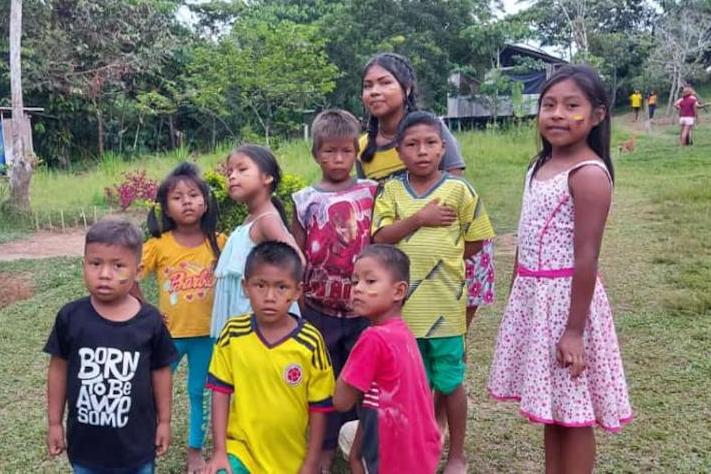
Capital city Leticia is a well-known destination in the Amazon. Less known is that as a traveler you can also be part of life in an Indian community. A stay at a Native American community guarantees a special experience, where you will learn about the rituals and about the community’s special bond with nature. There are more than 60 indigenous tribes in the Amazon, with the Tikuna being the most important group. Among them, you can stay overnight in the Indian community of Mocagua, a 1h boat ride from Leticia, Santa Sofia at 1h, Macedonia at 1.5h and San Martin de Amacayacu at 2.5h by boat from Leticia. Leticia can be reached by direct flight from Bogotá.
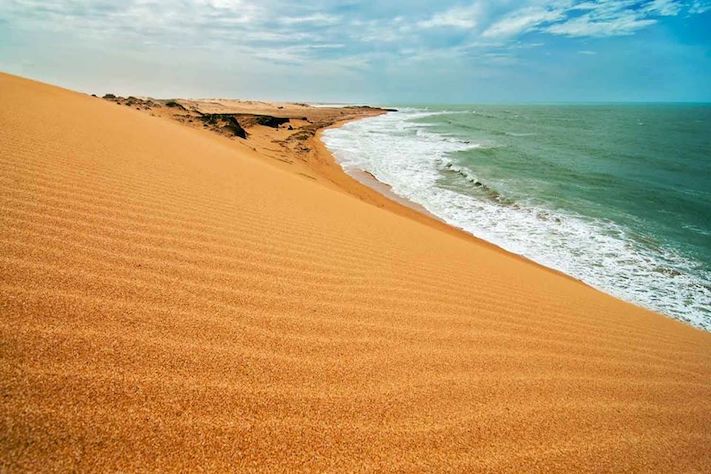
La Guajira is the northernmost region of Colombia, on the Caribbean coast: 175 km from Santa Marta and 92 km from Palomino. It’s a sparsely populated, isolated and extremely dry area, with desert landschapes, isolated beaches and high sand dunes. It is a poor area, that is located off the beaten track. This is the habitat of the Wayuu indigenous community, the largest group of indigenous in Colomba, who have lived here hundreds of years. The Wayuu survive by fishing and keeping goats. Some Wayuu open their houses for tourism, where you can learn about the Wayuu culture. You can stay overnight in a Rancheria, an authentic Wayuu accommodation. By buying authentic Wayuu handicrafts, including beautiful bags, you also support the local community. A trip to La Guajira, is a trip for adventurers, with the limited infrastructure and “basic” amenities. Do you make the trip to Punta Gallinas, you will have gained an impressive cultural experience and be rewarded with beaches that you have largely to yourself.
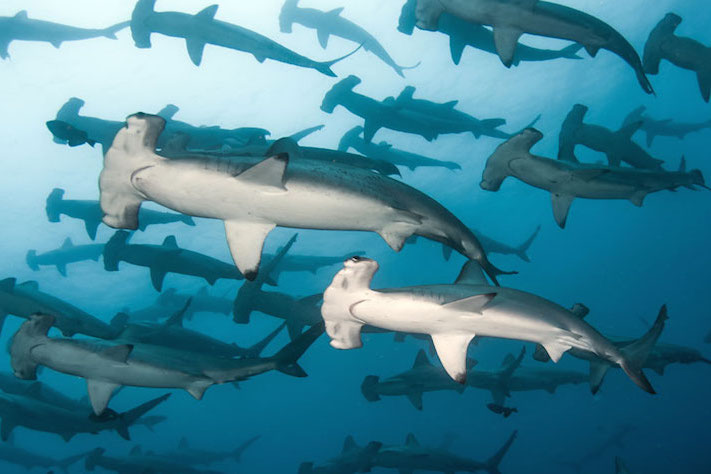
Ilsa Malpelo is located in the Colombian Pacific, 400 kilometers from the mainland. This is a dream location for divers and one of the best places to dive in the world. Animals you can spot are manta rays, whale sharks (in summer) and nearly 400 species of fish. In addition, Isla Malpelo is “Shark diving capital of the world.” Due to the strong currents, diving on Isla Malpelo is not suitable for beginners. You get there with an organized package trip from Buenaventura or Cali, sleeping on the boat.
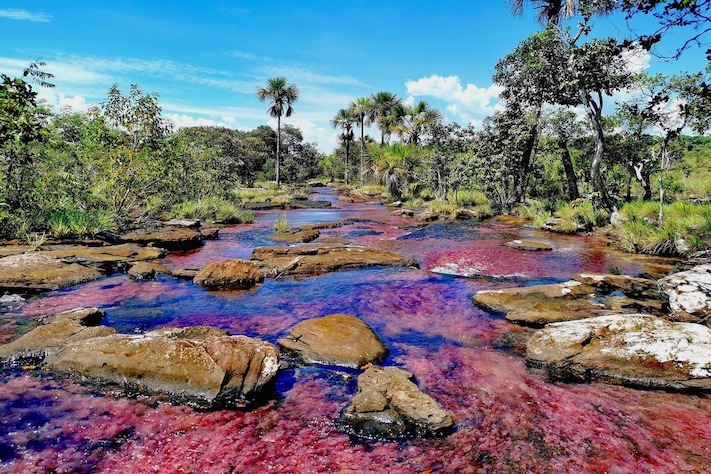
San José del Guaviare is located in the region Guaviare, on a transitional area between the Llanos Orientales and the Amazon. This results in unique flora and fauna. Travelers there can hike to recently discovered Indian drawings and spectacular rock formations, spot wildlife and take boat trips on the mirror-smooth rivers. San José del Guaviare also has its own pink river at Tranquilandia, which is a lot less well-known than Colombia’s most famous pink river: Caño Cristales. For a long time, San José del Guaviare was a “no go” destination because of the drug conflict, but after the peace agreement, tourism has slowly taken off and now the city of San José del Guaviare and its natural attractions, can be visited with a tour operator. These tour operators are working with local Native American communities and families formerly employed in the coca industry and now telling their stories to travelers. Because tourism hasn’t started till recently, you will be one of the few tourists! Moreover, a trip to San José del Guaviare, is one that will inspire you and give you insight into the history of the country and its inhabitants, who prefer to look forward, rather than back. San José del Guaviare is just over an hour’s flight from Bogotá.
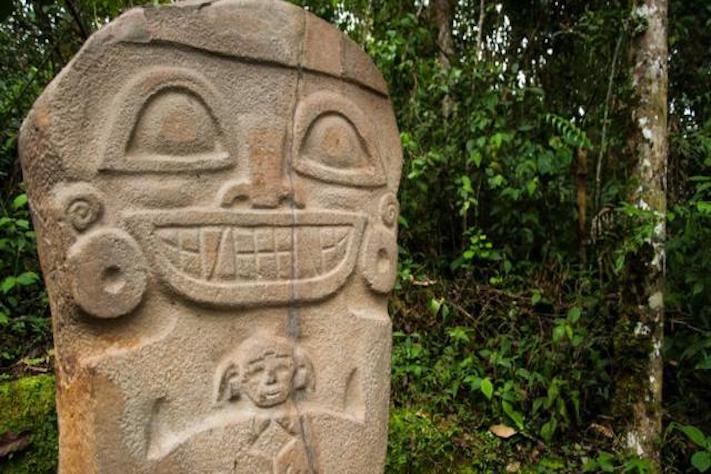
Tierradentro is an archaeological site of nearly 20,000 square meters in the department of Cauca, with statues and tombs from the pre-Columbian civilization lying on top of the hills. You can also visit tombs there, some of which are up to 8 meters deep. Tierradentro is on the Unesco World Heritage List. The easiest way to get there is via Popayán. Not as populair as sites such as the Lost City (Ciudad Perdida) on the Caribbean Coast, it is a destination often skipped while traveling in Colombia. The archaeological site San Agustín is easier to reach during a tour of southern Colombia and is therefore often preferred.
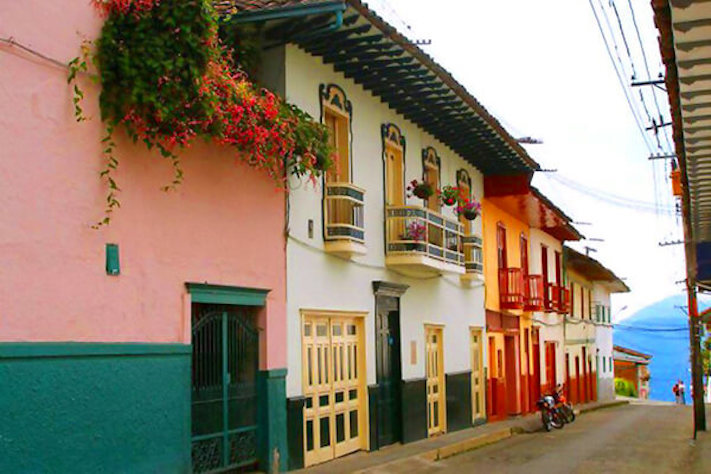
Atmospheric villages abound in the Eje Cafetero/Zona Cafetera, Colombia’s famous coffee triangle. Every traveler going to the Coffee region, has probably heard of Salento -and in lesser extent- Filandia-, but there are many other (and much quieter!) coffee villages, such as Pijao, Buenavista, Apia, Marsella, Salamina and Aguadas.In Salamina you can visit the Valle de la Samaria, the “alternative “(and much less crowded) Valle de Cocora, an hour’s drive from Salamina.
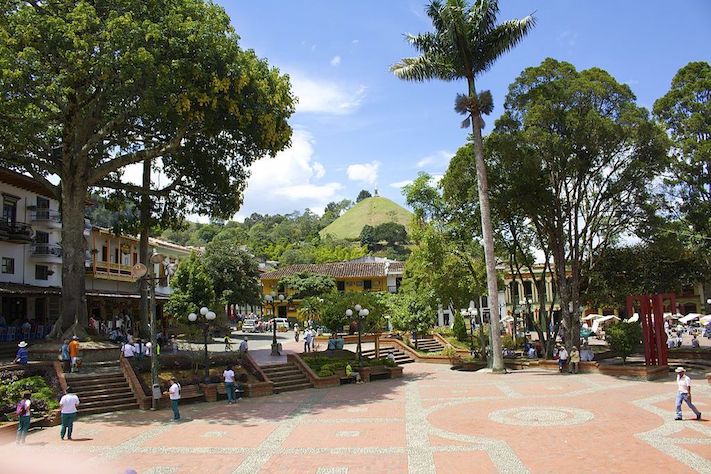
Many travelers visit while staying in Medellín, the well-known villages Jardín and Guatapé. Het traditionele dorp Jericó is a lot less well known. Except among Colombian tourists and lovers of churches, because there are no less than 17 of them! Jericó is about a 3-hour drive from Medellin.You can visit coffee plantations, hike and horseback ride, among other things. Otherwise, you can mostly relax and enjoy the atmosphere of the colorful village, grab a cup of coffee in one of the nice tents and try the local cuisine in one of the good restaurants. Especially on weekends, the square is a pleasant place to be, where more visitors can be found who come there for a cup of coffee or cerveza, or simply for a chat. Other lesser-known villages near Medellin are Tamesis (3h) and Venezia (2h).
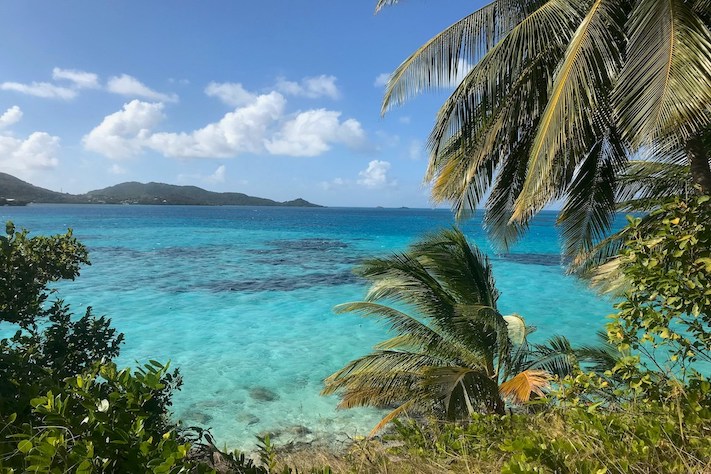
Providencia is a Caribbean island located some 800 km north of Colombia and 150 km east of Nicaragua. Where neighboring island San Andrés is a popular vacation island among Colombian tourists, Providencia is a lot quieter. The island is mostly visited by travelers who come to dive, snorkel and relax at one of its beautiful beaches. The sea around Providencia is called the “Mar de los 7 colores,” because of the colors in all variations, from aqua to green. The coral reefs around Providencia are part of the 3 e longest coral reef in the world, part of which belongs to the Old Providence McBean Lagoon National Natural Park. Turtles, sharks and rays, among others, are found here. With a past as English colonies, Providencia and San Andrés are an “odd duck” in Colombia. The English influence is still evident: the names of villages and beaches are given in English and Creole English is spoken alongside Spanish. Many locals feel more Caribbean than Colombian and there are many Rastafaris on the island.
Continue reading here for more destinations in Colombia and the best hotels in Colombia. Need more inspiration for what to do do? Check here more articles with information about the best things to do in Colombia, travel routes and travel stories.
The Colombian Coffee Triangle,(Eje Cafetero / Zona Cafetera) is the famous Colombian coffee region, a Unesco World Heritage Site. The coffee triangle is a rolling to mountainous area east of Bogotá and south of Medellín. Besides the many cute coffee villages scattered in the rolling landscape, this area is a paradise for nature lovers, with volcanoes, glaciers, waterfalls, thermal pools and natural parks. The most touristic coffee village is Salento which is located near the Valle de Cocora, followed by Filandia.
Our favorite experiences in the coffee region include spending the night in a hacienda on a coffee plantation, strolling around idyllic villages where time seems to have stood still, chilling in thermal pools in the middle of nature and hiking in the national parks. Here you will find all our tips for fun things to do.
If you’re going to this region for the first time and aren’t quite sure where to start your tour, check out this information on the different regions, cities and sights. And read our article with comparison of Salento and Filandia.
Here you can read tips for the nicest hotels and hostels, transport + practical information about the climate, the best time to go, how long to stay and other useful information for a round trip in the coffee triangle.
The page you requested could not be found. Try refining your search, or use the navigation above to locate the post.
Here are the best travel itineraries in Cartagena and the Caribbean coast.
On Colombia’s northern coast, there are beautiful trips to take along the better-known tourist attractions or completely off the beaten track. Cartagena, Santa Marta and Riohacha are important hubs on the Caribbean coast. Thus, you can visit Cartagena Cartagena as a starting point for a trip to a.o. Barranquilla and San Andrés. Santa Marta is a convenient starting point for a trip to such places as. Tayrona National Park , Ciudad Perdida and Minca. Riohacha is a convenient hub for a trip to La Guajira.
Tip: Want to save travel time? Then start your trip in Cartagena, end in St Marta and catch the plane there, or vice versa.
Indicative travel times
Cartagena-St Marta 4-5h
Cartagena-Barranquilla 2-2.5u
St Marta starting point Ciudad Perdida trek 2.5h
St Marta-Tayrona 1u
St Marta-Minca 45 min
St Marta-Palomino 2u
Palomino-Riohacha 1.5u
Tayrona-Palomino 1h
Tayrona-Costeño Beach (near Guachaca) 15 min
Check here the best travel itineraries in Cartagena and the Caribbean coast, for 1, 2 and 3 weeks. Check here information and tips about the round trip we made from 2 weeks from Barranquilla to Santa Marta.
Day 1-2: Cartagena
Day 3: Bus to St Marta-Tayrona National Park Overnight stay outside the park
Day 4: Overnight stay in Tayrona NP
Day 5: Bus to St Marta/Minca
Day 6-7: Minca
Day 8: Bus to St Marta
Day 1: Arrival Cartagena
Day 2: Tour to local market Marcado Bazurto
Day 3: Tour to the Afro-Colombian community
San Basilio de Palenque
Day 4: Bus to Barranquilla
Day 5-6: Barranquilla
Day 7: Bus to Cartagena
Day 1-2: Cartagena
Day 3-4: Isla Múcura*
Day 5: Bus to St Marta–Tayrona NP, overnight outside the park
Day 6: Overnight stay in Tayrona NP
Day 7: Bus to Palomino
Day 8: Palomino
Day 9-11: Tour to Cabo de la Vela-Punta Gallinas in la Guajira
Day 12: Return trip to Riohacha. Overnight in Riohacha
Day 13-14: Minca
Day 15: Bus to St Marta
* Alternative to Isla Múcura, is Casa en el Agua
Day 1-2: Cartagena
Day 3-4: Isla Múcura*
Day 5: Bus to St Marta–Tayrona NP, overnight outside the park
Day 6: Overnight stay in Tayrona NP
Day 7: Bus to Costeño Beach.
Day 8: Costeño Beach
Day 9-12: Ciudad Perdida
Day 13: Bus to Minca
Day 14: Minca
Day 15: Bus to St Marta
* Alternative to Isla Múcura, is Casa en el Agua
Day 1-2: Cartagena
Day 3: Flight to San Andrés
Days 4-6: San Andrés and/or Providencia*
Day 7: Flight to Cartagena. Bus to St Marta. Overnight stay in St Marta
Day 8-11: Ciudad Perdida
Day 12: Bus to St Marta-Tayrona NP. Overnight stay outside the park
Day 13: Overnight in Tayrona NP
Day 14: Bus to St Marta-Minca
Day 15: Minca
Day 16: Bus to St Marta-Riohacha. Overnight in Riohacha
Day 17-19: Trip to Cabo de la Vela-Punta Gallinas in la Guajira
Day 20: Bus to Riohacha-Palomino
Day 21: Palomino
Day 22: Bus to St Marta
Want to extend your trip with an additional beach destination? Then book a few nights at a hotel in Santa Marta at the end of your trip.
Glamping in Colombia can be done in the most beautiful places, surrounded by nature. For example, enjoy in luxury from a glamping with jacuzzi in GuatapéSpend the night in a comfortable tent overlooking the famous Valle de Cocora in Salento, or imagine yourself in Africa, in a real safari lodge by the river in Calarcá, in Colombia’s coffee region.
Here we share some of these unique glampings in Colombia.
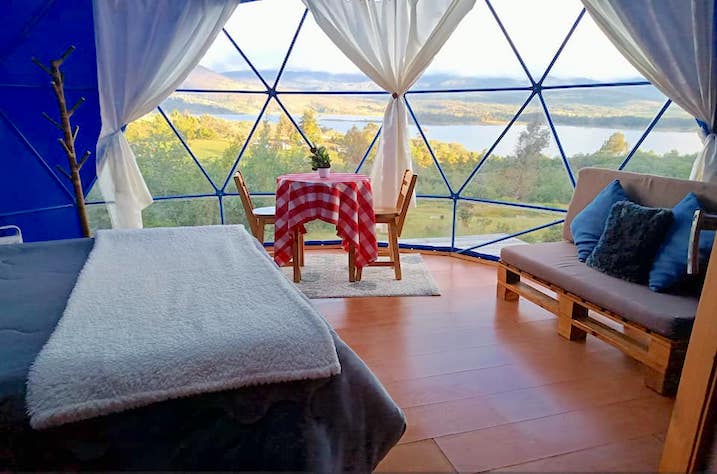
Views from your tent of Lake Guatavita, followed by a delicious breakfast served on the terrace. In short: waking up at Glamping Blue is relaxed. There is more than enough to do in the area. You can borrow bikes to tour the area, go horseback riding or do an off road tour by quad bike. Glamping Blue is located 15km from Guatavita and 62km from El Dorado Airport in Bogotá. Book a 2-person tent starting at 50€.
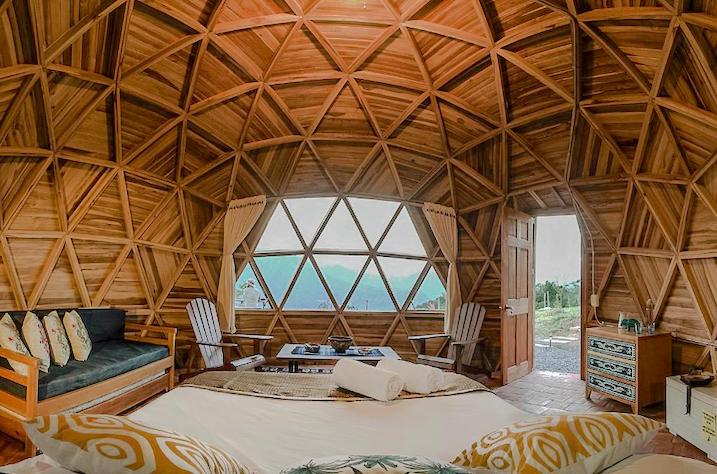
Atmospheric glamping 2 km from Barichara. From the accommodation you have a nice view of the mountains and it is a fine place as a starting point for exploring the Cañon de Chicamocha. Want to go to Barichara? A tuk tuk cab will get you there in no time. The glamping has a swimming pool, a common area with hammocks and a campfire is lit at night. Barichara can be reached by bus from San Gil (20 km). Book a dome at Serrania del Viento starting at 65€.
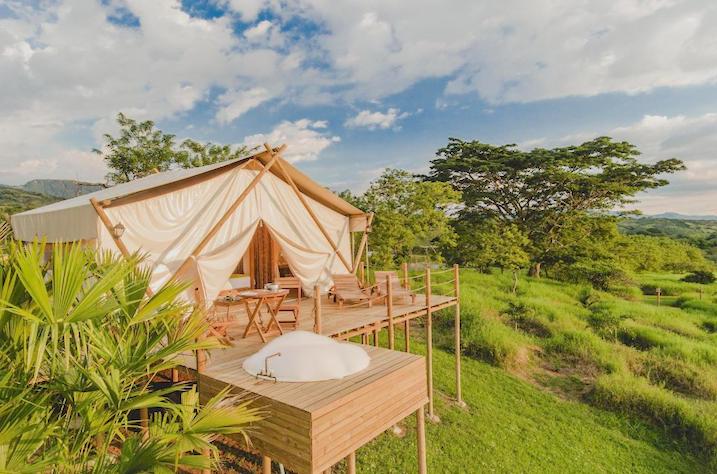
Glamping “safari” style in Calarcá, in Colombia’s coffee region. Here you imagine yourself in Africa rather than Colombia, with a safari tent that could be straight out of a wildlife park. From the private Jacuzzi, you look out over the river and rolling countryside. Activities you can do include biking, fishing and bird watching on a birdwatching tour. Glamping entre rios can be reached by rental car or by cab from Armenia (20 km). Book a 2-bed suite with private jacuzzi starting at 125€.
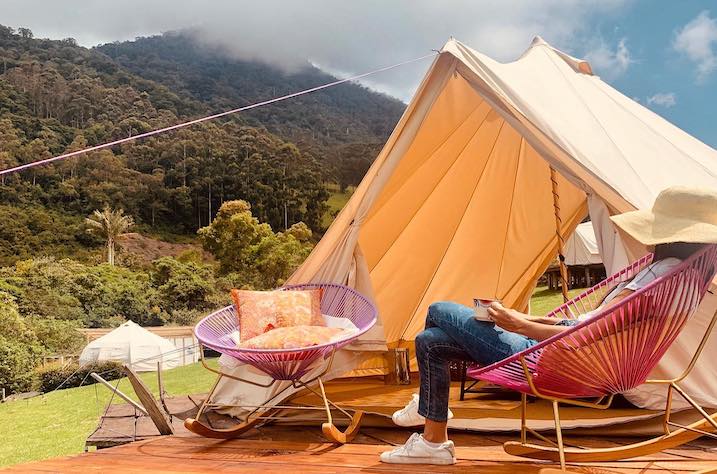
Glamping in a unique location in the Valle de Cocora, (valley of palms), near Salento. The view from this glamping is hard to match. From the glamping you can hike to 2 private waterfalls and it is also possible to hike or horseback ride in the Valle de Cocora. The glamping is located 7.5 km from Salento, which you can easily reach by jeep ride. You can book a 2-person tent from 150€ per night.
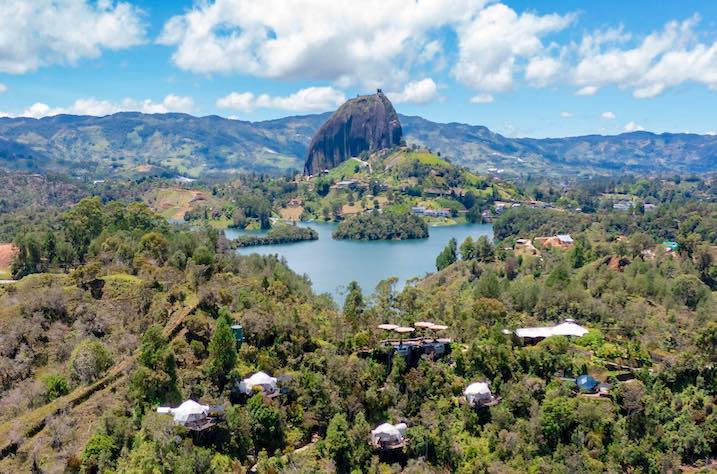
Stay a night (or two) in Guatapé after climbing the iconic El Peñol rock and enjoy the fantastic lake views and infinite starry sky in luxury. It doesn’t get more romantic than this! Facilities at Bosko glamping include a swimming pool, spa and wellness center and jacuzzi. There is also plenty to do if you prefer to be active, including water skiing, canoeing and hiking. Bosko glamping is 43km from Medellín airport. You can book a 2-person tent from 250€ per night.
Does such glamping sound like your cup of tea? Check out more glampings in Colombia
Want to know more about Colombia? Then check out information and tips about Colombia on ToColombia.com
CULTURAL ‘MELTING POT'”
Colombia is a cultural melting pot, we cannot talk about the Colombian culture or the Colombian. The South American country is a true melting pot of cultures. Each city, region or community is part of the Colombian culture, but with its own unique interpretation of it.
The culture has been influenced by the indígenas (Indigenous communities) who live particularly in La Guajira and the Amazon and former slaves and/or Europeans. Many Colombians are of mixed descent ( the mestizos). The Caribbean Coast, Cali en Chocó (Pacific), have a lot of Afro-Colombian influences and on the islands San Andrés and Providencia, there is an Afro-Caribbean culture. Medellín is a city where many European immigrants settled and Bogotá is a mixture of European and Native American influences.
As in many other Latin American countries, there is a large Spanish influence in religion. About 75 percent of the Colombian population is Catholic.
Keep on reading if you are interested in the culture of Colombia. We talk about the different cultural communities, language, music and dance, art, sports and diversity. At the end of this guide you will read our insider tips for what to consider when you go to Colombia.
The diversity is so big that we could fill a complete encyclopedia with information about the cultural communities in Colombia. Here we want to give you just a small impression, of some of the better known communities, that you as a traveler could possibly visit.
Despite only making up about 3-4% of Colombia’s total population, the influence of the “indígenas“ is great and is reflected in language, traditions, music and dance.
There are nearly 90 Indian tribes in Colombia, with some 800,000 indígenas, They live in reserves, which occupy in total about 1/3 of Colombia’s entire area. In the sparsely populated Amazon, there are more than 70 different ethnic Indian communities, such as the Yucunas, Huitotos and Tikunas.
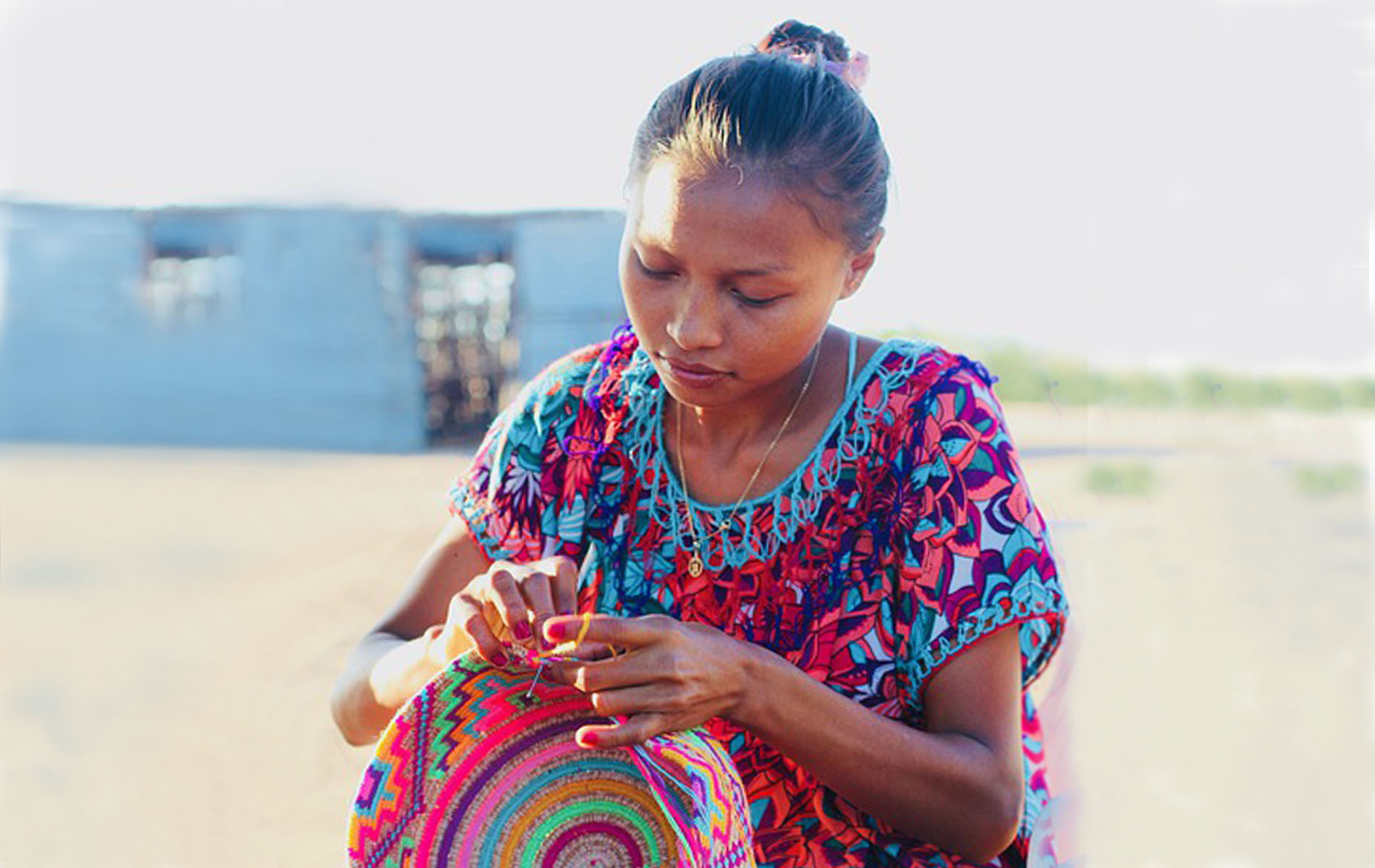
Colombia’s largest group of indígenas live in La Guajira, where more than 150,000 Wayúu live in the rugged desert region. The Wayúu have opened their homes to travelers, so you can do a tour there, staying in a Ranchería, a typical “Wayúu” house. During such a tour you can learn about the culture of the Wayúu: you can see how the famous Wayúu bags are made, admire traditional dance and clothing and taste local food. Check here which tours you can do in La Guajira.
The Wiwa, Kankuamo, Kogui and Arhuaco live in the Sierra Nevada de Santa Marta. The Wiwa are most active in tourism. Touroperators that offer the trekking to Ciudad Perdida (The Lost City), often work with Wiwa guides. Here you can read our travel guide Ciudad Perdida.
The Guambiano (also called Misak), live in the south of Colombia in Cauca. Every Tuesday they come from the mountains to the village Silvia, to offer their stuff at the market and to buy stuff themselves. The market is about an hour’s drive from Popayán.
One of the important places for the Afro Colombian community is San Basilio de Palenque, near Cartagena. Palenque was founded by former escaped slaves and is a UNESCO World Heritage Site. The culture and traditions of the Palenqueros are still intact. During a tour with a local guide, you can learn about the special inhabitants and their traditions, language (Spanish Creole), music and food culture. In Cartagena, the Palenqueras offer their wares in the old town, where they can be recognized by their colorful dresses.
The islands
San Andrés andProvidencia lie just under 800km north of Colombia and 150km east of Nicaragua. With a location closer to Nicaragua than to Colombia and its past as a former English colony, the islands are special. One of th groups on the islands is the Afro-Caribbean Raizal, who speak Creole. It was originally English-Creole, but later added influences from Spanish and African.

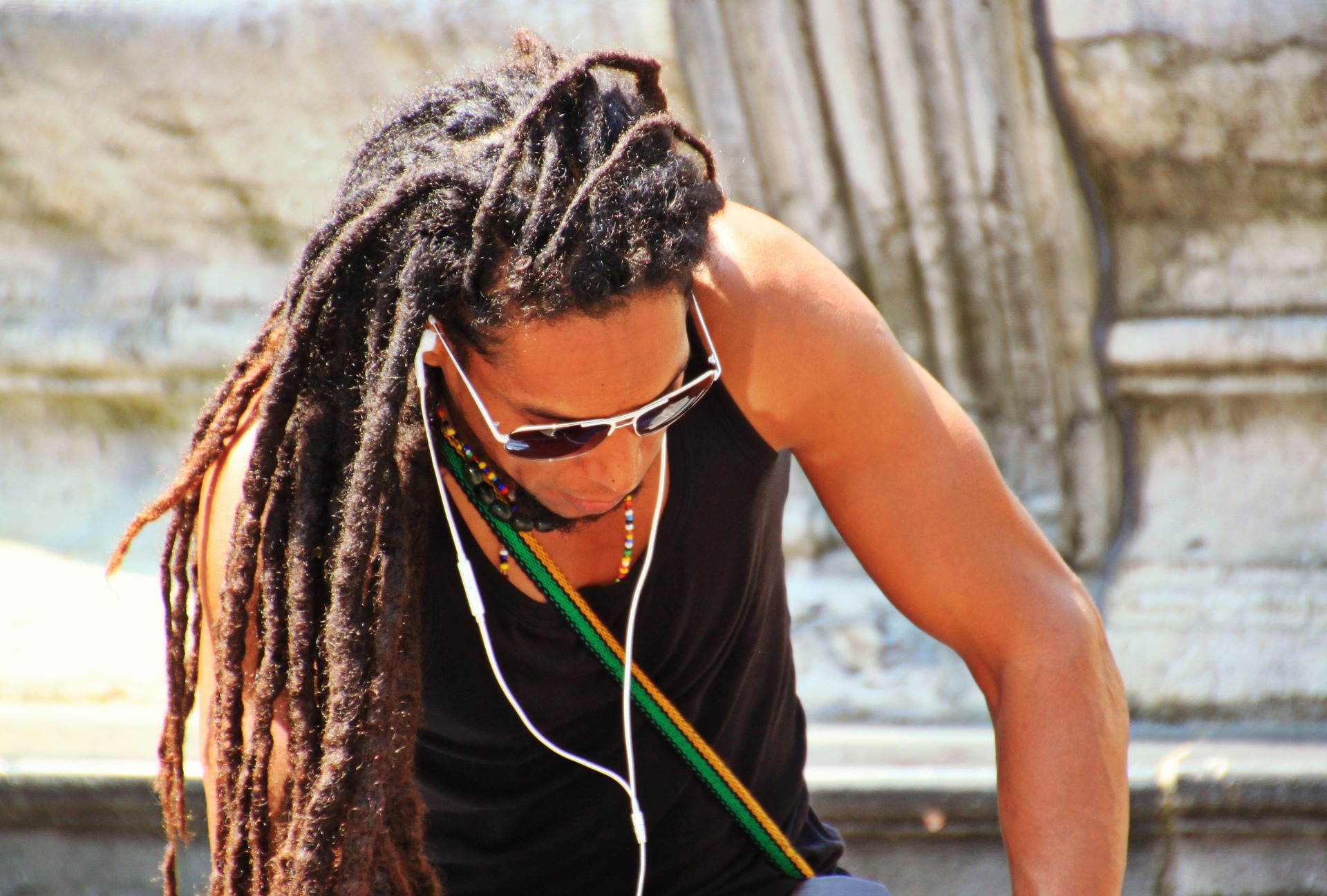
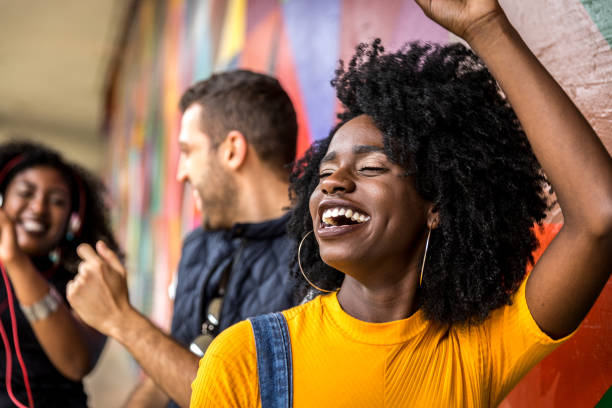
The official language is Spanish, but unofficially there are about 70 different languages in Colombia, many of which are spoken by Native American communities. On the Caribbean islands of San Andres and Providencia, English is also an official language. There, a mix of English, Spanish and Creole is often spoken.
There are also different accents and pronunciations of Spanish, which can vary by region and city. On the coast, for example, the “r” is often barely audibly pronounced.


Even in music, there are different influences by region. African influences on the coast, along with Native American and European influences, provide many Colombian rhythms.
There are more than 1,025 rhythms in 157 different genres. This is why Colombia is also called “the land of 1,000 rhythms.”
Popular rhythms
Colombian artists
Singer Shakira from Barranquilla has achieved international fame and is Colombia’s most popular singer abroad. Famous singers include Carlos Vives, Juanes, Maluma and J.Balvin.
Festivals
Long ago, carnival was a way for all ethnic groups to come together and celebrate traditions. Even today, coming together to celebrate traditions is an important part of Colombian culture. Festivals give people a chance to party and enjoy folklore, live music and local food and drink. Colombians have as many as 18 long weekends a year, so there is often a festival on the weekend off.
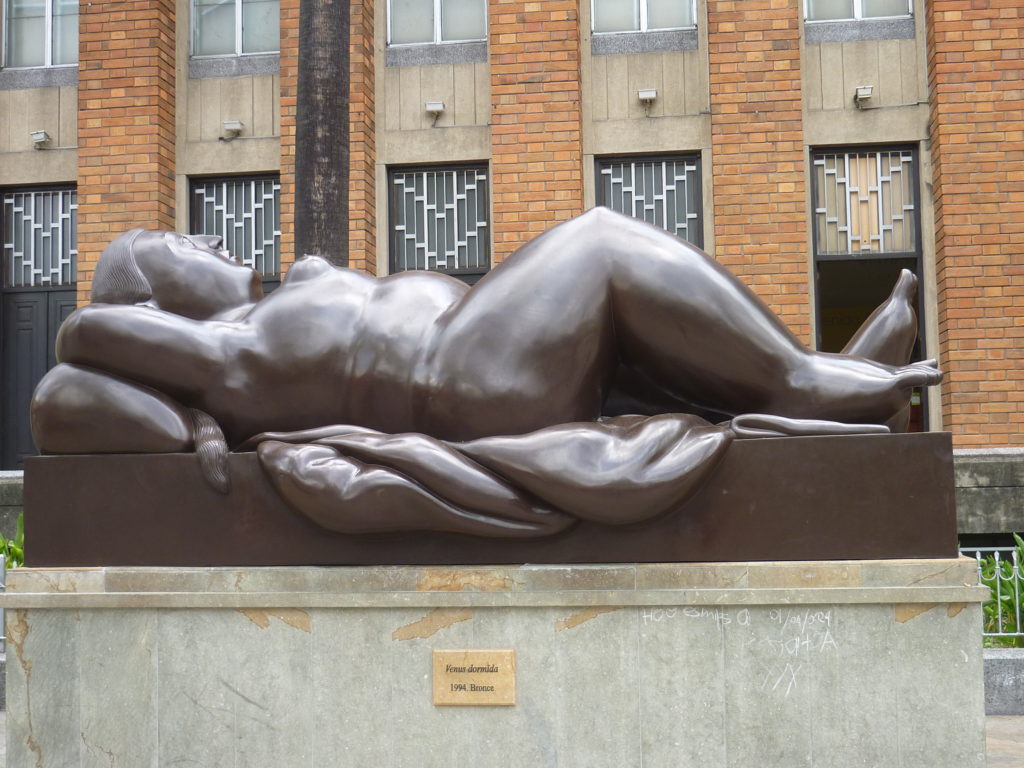
Art can be seen in many forms in Colombia: Botero’s famous paintings and “oversized” sculptures, the literature of Nobel Prize winner Gabriel García Marquez, but also: graffiti art and handmade souvenirs from the Wayúu Indigenous community.
Precolumbian art
The Gold Museum in Bogotá features a large collection of art from pre-Columbian culture.
Ciudad Perdida, San Augustin and Tierradentro are well-known archaeological sites with remains of pre-Columbian culture.


Soccer
Soccer is Colombia’s national sport, very popular to watch and to do yourself. On a match day of the national team, you can see Colombians walking around during the day, already proudly wearing the national shirt. The cafes are bustling during matches and there is passionate cheering. Icon of Colombian soccer is Carlos Valderrama, easily recognizable by his blond hair. Current soccer heroes include James Rodriguez, Radamel Falcao and Juan Cuadrado.
Baseball
After soccer the most popular team sport and particularly popular on the Caribbean coast. One of the most famous baseball players is Edgar Rentería, or the “Barranquilla baby,” who has made a career in the USA. Besides being a sportsman, Rentería is also socially involved. For example, he participated in the project Béisbol por la paz, in which vulnerable youths were literally taken off the streets for baseball training.
Cycling
A very popular sport in Colombia to watch and to do yourself. During cycling races such as the Tour de France, Colombians passionately cheer on their heroes such as Egan Bernal and Nairo Quintana as they conquer the high mountains. Riders can practice perfectly on the many cycling routes and mountainous areas.
Tejo
A game played in certain regions among locals and tourists who want to try something typically Colombian. The objective is to throw a metal disc at the bocin, another disc with a small explosive charge, lying in a container of earth. Tejo is still most like bowling. The game dates back to the time of the Muisca Indians, who are said to have used a golden disc.
Athletics and rollerblading are also popular sports in Colombia. Most famous athlete is Caterine Ibargüen. Other famous Colombian athletes include Formula One driver Juan Pablo Montoya and Mariana Pabon (BMX).
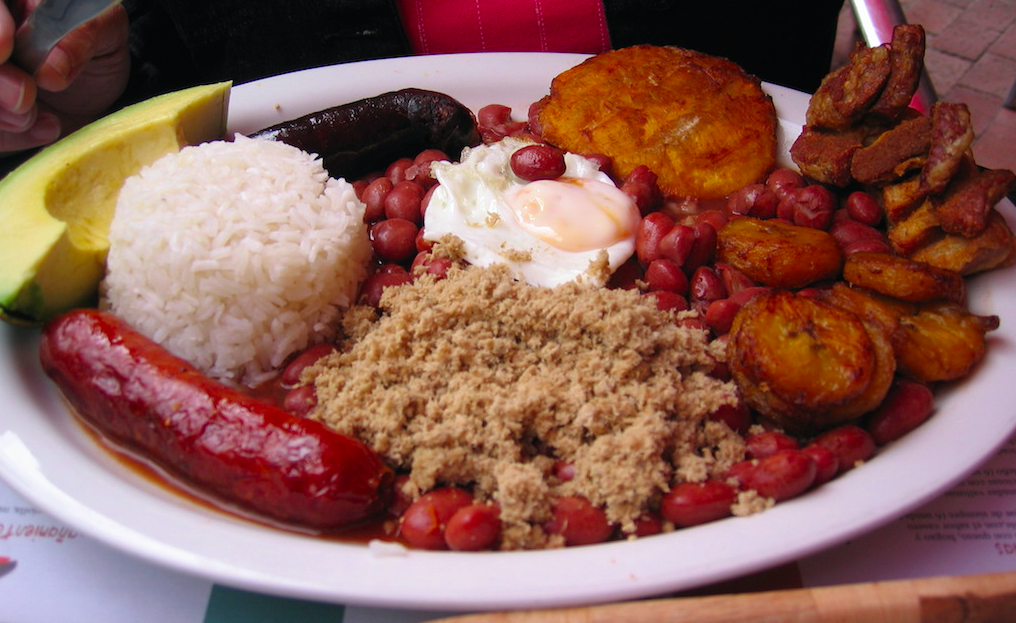
Also in the culinary field, there is much diversity in Colombia. Each region / city has its own specialties and traditions play a major role in the preparation of food . Do you want to know more about the traditional food of Colombia and the tastiest snacks and street food? Continue reading this article about the food in Colombia. In this article you can also search for your favorite region and search for the typical food of the area.
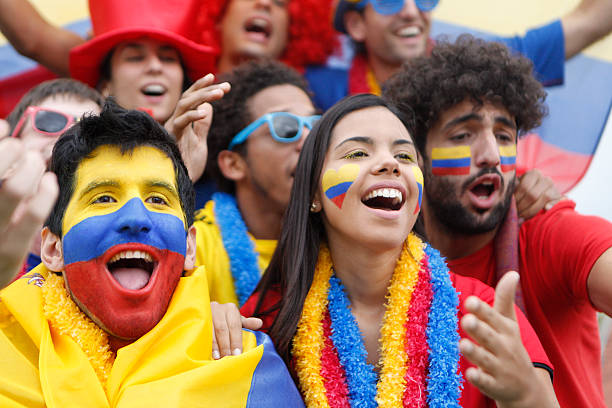
Despite the differences in culture, there are a number of customs and traditions, that are considered “typical Colombian.”
Colombians are generally cheerful people who love life. They are proud of Colombian music, dance and food. Colombians are cordial, curious, helpful, like to make jokes and enjoy having a chat.
Family People
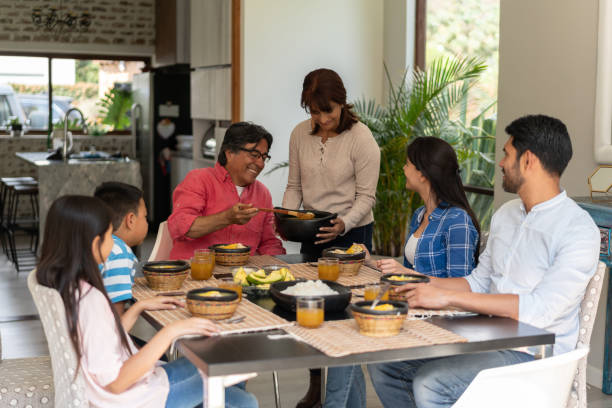
Colombians are real family people. And by family, we don’t just mean your own family. This also includes cousins and children of your aunts children! There is no distinction whether you are distant or close family, family is family!
Women in the family
It is the women who keep the family together. Grandmothers play an important role in raising the children and even when the children get older and get married themselves, it is very common to continue living with parents and grandparents. Other children with their families also often live on the same property. As the parents get older, the children take on the task of caring for their parents There is, however, a shift in the traditional division of roles. Today, both parents often have jobs and share the care of the children.
Food = love
Food is a way for mothers and grandmothers to show their families how much they love them. Mothers and grandmothers often spend hours in the kitchen putting meals on the table. Recipes are passed on from generation to generation and so there are many family recipes, kept in the family and only revealed on rare occasions!

Macho culture
Men like to take their girlfriend or wife with them when they go out and it is less common than in other cultures, to go out with a group of men. This also has to do with macho culture; men like to show that they are a pareja, that they have a wife or girlfriend. Women are used to it, that men take care of them financially and “going Dutch” in a restaurant, is not common. Men like to take care of their wife or girlfriend and also consider it normal to pay for the women. When a man asks a woman out, she also expects the man to pay for her.
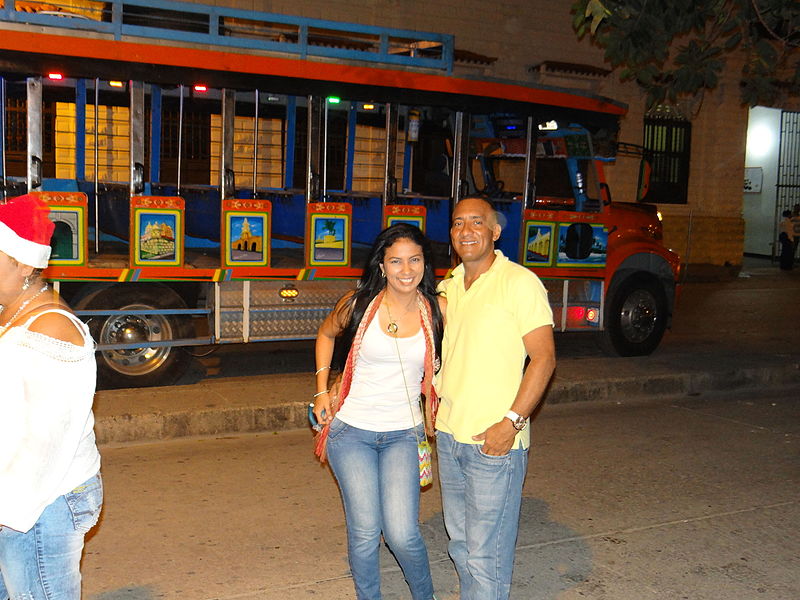
Same-sex marriage is legal in Colombia, and same-sex couples are also allowed to adopt children. There are laws to protect LGBT rights and transgender people are allowed to change their gender in their ID documents. The most gay-friendly cities in Colombia are Bogotá, Cartagena, Medellín and Barranquilla. Bogotá has a lesbian mayor (Claudia López) who is open about her sexual orientation. Nevertheless, Colombian LGBT often have a very difficult time in Colombia, not least because of macho culture and the influence of religion. Parents often think they have done something wrong in parenting if their child turns out to be gay. Then, when the whole family gets involved as well, it can be difficult to be accepted. This also has to do with the fact that they do not expect children to be born from these relationships.

If you’re going to Colombia, you might benefit from these tips!
Forget punctuality
Are you making an appointment with a Colombian? Then forget about punctuality. Anything within 45 minutes of the agreed time is “on time” for a Colombian -:) If the appointment was made a while ago, check beforehand whether the appointment will take place!
Appearance is very important
Keep in mind that appearance is very important to most Colombians. Great care is taken with makeup, hair and clothing. When a Colombian says, she is going to change, she is not ready with 10 minutes. This is more likely to be an hour -:) As a European or North American you can sometimes feel yourself “underdressed”, when you go out with a Colombian, even if you only go to the supermarket.
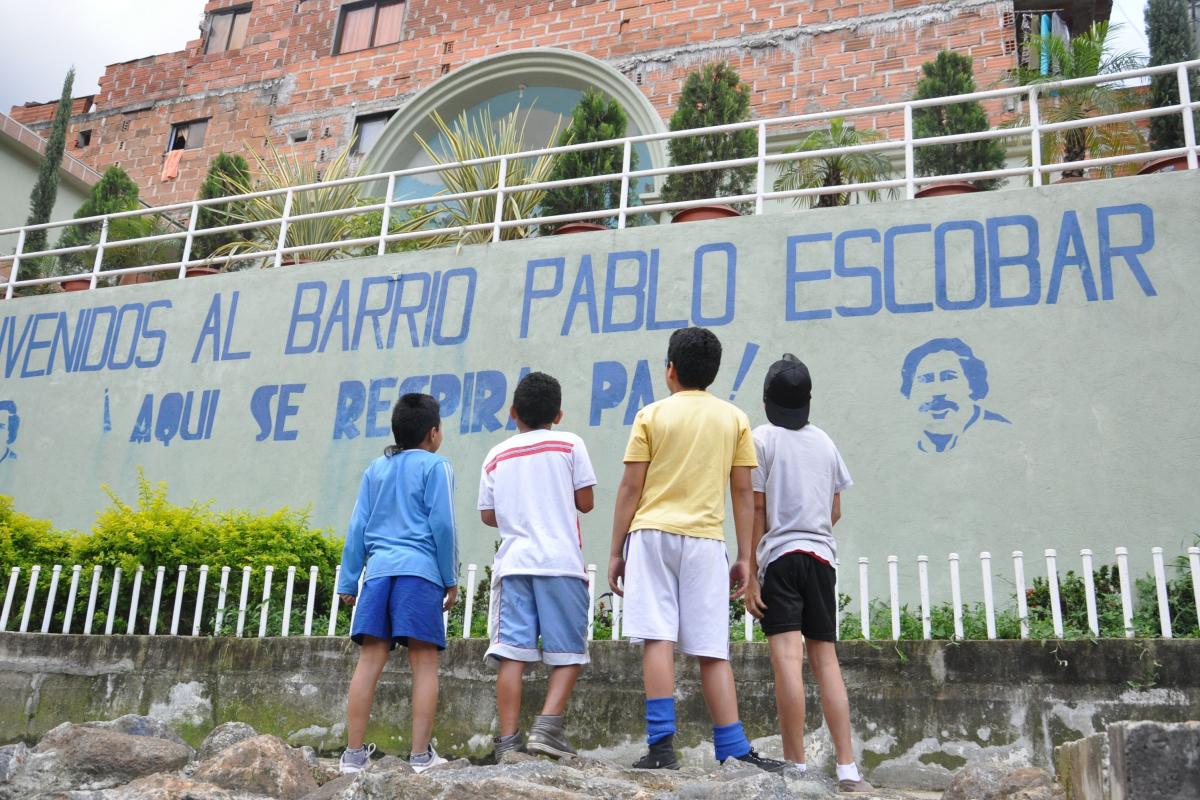
Leave the “era of Pablo Escobar” for what it is
Are you in Colombia and want to talk to locals about Pablo Escobar? Most people won’t respond to that, the past is painful enough and Colombians are not proud of this piece of their past. The prefer to leave that part of their past behind….While they are happy to tell you-full of passion-about their dreams for the future.

Check out this link if you want to know more about the different destinations in Colombia. You can also find here practical information and tips for planning your trip and information about safety, travel documents, useful apps for your trip to Colombia and more. Check this link for the best hotel deals.