Oud & Nieuw in Bogotá – Feesten en tradities

Oud & Nieuw in Bogotá – Feesten en tradities

Home 9 Author archive for J

Oud en nieuw in Bogotá: wat te doen op 31 december en 1 januari?

Bogotá bruist altijd van energie, maar tijdens oud & nieuw helemaal, wanneer de stad verandert in één groot feest: overal vind je live muziek, vuurwerk, vrolijke straatfeesten en luxe diners in hotels, restaurants en rooftop bars. Of je nu wilt dansen met locals op straat, genieten van champagne met uitzicht over de stad, of de Colombiaanse tradities wilt meemaken: oud & nieuw in Bogotá is iets unieks.

Hoe vieren de locals oudejaarsavond in Bogotá?

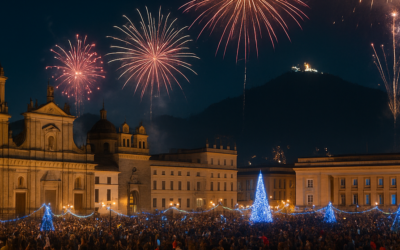
Op 31 december is het overdag rustig. De meeste Colombianen vieren oudejaarsavond thuis in familiekring met muziek, dans en eten. Rond middernacht trekken veel locals naar openbare plekken zoals de Plaza de Bolívar voor de vuurwerkshows en livemuziek. 

Lokale tradities en rituelen tijdens oud & nieuw

Colombianen nemen hun eindejaarsrituelen serieus — en ze zijn leuk om zelf mee te doen!

  • 12 druiven eten bij middernacht: bij elke druif doe je een wens voor het nieuwe jaar.
  • “El Año Viejo” verbranden: een pop die symbool staat voor het oude jaar wordt verbrand om een nieuw begin te markeren.
  • Koffers buiten zetten: wie het nieuwe jaar wil beginnen met veel reizen, loopt om middernacht symbolisch een rondje met een lege koffer.
  • Geel ondergoed dragen: geel staat voor geluk, rijkdom en een voorspoedig nieuw jaar.

Tip: je vindt “El Año Viejo”-poppen en andere feestartikelen overal in december op lokale markten.

Typische gerechten en drankjes voor oud & nieuw in Bogotá

Heb je het over tradities, dan horen hier ook zeker de typische eetgewoontes bij, want tijdens oud en nieuw in Bogotá draait alles om gezelligheid en samen genieten van eten en drinken. Deze typisch Colombiaanse gerechten en drankjes kun je verwachten op oudjaarsavond:

Traditionele drankjes op oudjaarsavond

Aguardiente – de nationale feestdrank
In Colombia geen feest zonder aguardiente! Deze heldere anijsdrank wordt in kleine glaasjes gedeeld met vrienden of familie. In Bogotá zijn vooral de merken Néctar en Antioqueño populair.

Canelazo – warm en kruidig (onze favoriet)
Niets past beter bij het frisse bergklimaat van Bogotá dan een dampende mok canelazo. Dit traditionele drankje is een mix van aguardiente, warm water, suiker en kaneel. Ideaal om warm te blijven tijdens het vuurwerk!

Niet traditioneel maar wel veel gedronken is cerveza (bier) Populaire merken zijn Club Colombia + Aguila en Poker (de laatste twee zijn goedkopere biertjes). In moderne bars en rooftop terrassen kun je ook genieten van ambachtelijke biertjes van Bogotá Beer Company (BBC). Rond middernacht wordt er geproost met een glaasje vino espumoso (mousserende wijn of champagne) 

Traditionele gerechten op oudjaarsavond

Pernil de cerdo – geroosterde ham
Een klassiek feestgerecht in Bogotá: langzaam gegaarde ham met een zoetzure saus van ananas of honingmosterd. Dit is vaak het middelpunt van het familiediner op 31 december.

Lechona tolimense – feestmaal voor grote groepen
Een hele geroosterde varken gevuld met rijst, erwten en kruiden — een echte blikvanger tijdens feestdagen. Wordt vaak gedeeld met familie of buren en geserveerd met arepa (maiskoekjes).

Arroz con pollo of asado familiar
Veel families kiezen voor eenvoudige, deelbare gerechten zoals kip met rijst of gegrild vlees met aardappelen, salade en patacones (bananenkoekjes).

Tamales bogotanos – de favoriet van de ochtend erna
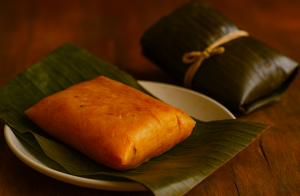
Tamales zijn pakketjes van maïsdeeg gevuld met kip of varkensvlees, rijst, aardappel en kruiden, gewikkeld in bananenblad. In Bogotá eet men ze vaak op 1 januari in de ochtend, samen met chocolate caliente of aguapanela con queso (rietsuikerdrank met kaas).
Buñuelos en Natilla – het zoete einde van het jaar
Geen oud & nieuw zonder deze klassiekers!

  • Buñuelos: gefrituurde kaasballetjes die knapperig van buiten en zacht van binnen zijn.
  • Natilla: een romige kaneelpudding, vergelijkbaar met custard.

Samen vormen ze het populairste  oudejaars (en kerst) dessert van Colombia.

Waar kun je oud & nieuw vieren als reiziger?


🥂
31 december – Oudjaarsavond in Bogotá

Wil je uit eten of feesten op 31 december in Bogotá, dan zijn er talloze opties, van openbare straatfeesten, tot feesten in rooftop bars en luxe gala’s in hotels.

  • Openbare feesten:
    Op Plaza de Bolívar en rond de Torre Colpatria zijn gratis straatfeesten met live muziek en vuurwerk — dé plek om het nieuwe jaar in te luiden tussen de locals.

  • Rooftop feesten en bars:
    De skyline van Bogotá is extra mooi op oudejaarsavond. Populaire plekken zijn de Federal Rooftop bij El Retiro en Astoria Rooftop aan Calle 85, waar je kunt genieten van cocktails en een spectaculair uitzicht.

  • Luxe diners en galafeesten:
    In wijken als Zona T, Chapinero en Usaquén vind je hotels en restaurants die speciale eindejaarsmenu’s aanbieden, vaak met live muziek en champagne bij middernacht. Bekende namen zijn het W Bogotá Hotel, Lancaster House en het B.O.G. Hotel.

1 januari – Nieuwjaarsdag in Bogotá

Op 1 januari is Bogotá rustig. Veel winkels, musea en markten openen later of blijven gesloten, wat het een perfecte dag maakt om te ontspannen. Maak een wandeling door de stad, bezoek een café voor een kop Colombiaanse koffie of geniet van de frisse berglucht in een van de vele parken, zoals het Parque Simón Bolívar of het Parque El Virrey.

Nieuwjaarsdag is ook ideaal voor een brunch, zoals de exclusieve nieuwjaarsbrunch bij Four Seasons Hotel Casa Medina in Chapinero, een van de beste en sjiekste hotels van Bogotá.


Praktische reistips voor Oud & Nieuw in Bogotá

  • Reserveer op tijd: populaire diners en feesten raken snel volgeboekt.
  • Wees op tijd bij openbare feesten: wie vóór 23:00 uur aankomt, heeft de beste plekken voor het vuurwerk.
  • Gebruik veilig vervoer: vraag je hotel om een betrouwbare taxi (taxi de confianza) of gebruik apps zoals Uber of DiDi. Vermijd lopen na middernacht.
  • Kleed je in laagjes: Bogotá ligt op 2600 meter hoogte; ’s avonds kan het afkoelen tot 10–12°C. Neem een jas of trui mee.

Kun je oud & nieuw in Bogotá meemaken, aarzel dan niet en ga in Bogotá feestend het nieuwe jaar in!

Lees ook:

Bogotá Travel Guide

Home 9 Author archive for J

In this Bogotá travel guide, you’ll read everything you need to know about the vibrant capital of Colombia. Bogotá has a lot to offer travelers, from historic landmarks, festivals, museums, and lively markets to street art in La Candelaria, nature, and fantastic viewpoints such as Monserrate. With around 8 million residents, the city can feel overwhelming if it’s your first time visiting. We have been there many times by now—sometimes for a few days, other times for a week. Each visit takes a little getting used to the crowds and the chaotic traffic, but every time we also enjoy the incredible mountain views, the parks, and the vast selection of great restaurants, bars, and coffee spots.

Bogotá is more than the popular attractions in the city center; other neighborhoods are also worth exploring. Moreover, from Bogotá you can find yourself surrounded by nature in “no time,” making it an ideal destination for a side trip to a national park, Lake Guatavia, the Salt Cathedral of Zipaquirá, Jaime Duque Park, and more. In this travel guide, we aim to help you navigate the immense city known as Bogotá.

Is your trip through Colombia also starting in Bogotá, or are you planning a city break? Then check out our Bogotá travel guide here, with information about the best and safest neighborhoods to stay in, the most fun things to do in and outside the city over a day, weekend, or week, festivals, the best restaurants, and handy tips & tricks for your trip to this world-class city!

All about Bogotá

Bogotá Travel Guide

Bogotá Travel Guide

In this Bogotá travel guide, you’ll read everything you need to know about the vibrant capital of Colombia. Bogotá has a lot to offer...

Grand Hyatt Bogotá: Grandeur near Corferias

Grand Hyatt Bogotá: Grandeur near Corferias

Near the Corferias Exhibition Center, the Grand Hyatt Bogotá impresses with 371 rooms, including 50 suites, and a massive spa—one of South America’s largest. Its location is ideal for business travelers, with the historic Bullring and downtown just a short drive away....

Four Seasons Casa Medina Bogotá: Luxury in the G Zone

Four Seasons Casa Medina Bogotá: Luxury in the G Zone

Tucked into Bogotá’s gastronomic G Zone, the Four Seasons Hotel Casa Medina Bogotá merges colonial charm with modern luxury. Housed in a 1946 architectural monument, it boasts beamed ceilings, hand-crafted floors, and serene courtyards. The location is a dream for...

Villa de Leyva

Villa de Leyva

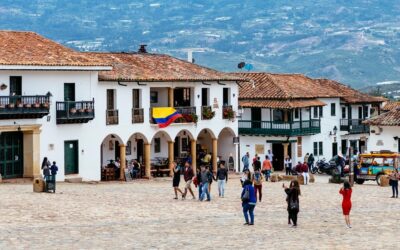
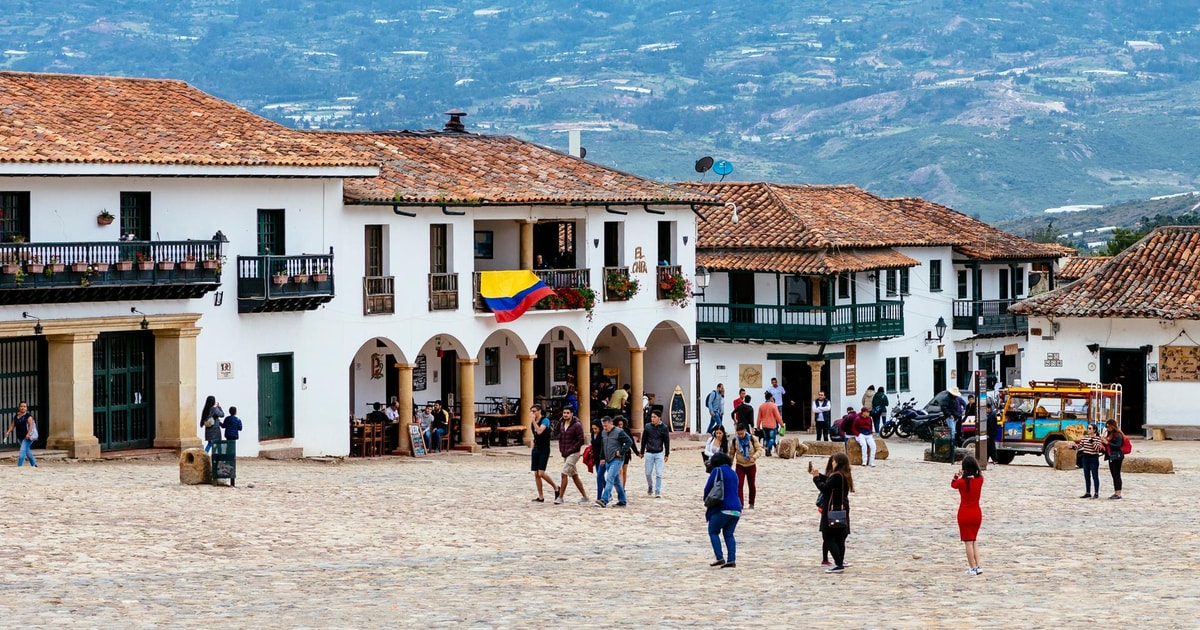
Colonial city high in the AndesVilla de Leyva is one of the most beautiful colonial cities in Colombia. In 1954, the city was declared a national...

Discover Bogotá like a local

Discover Bogotá like a local

Tips from a localBogotá has something for everyone, with activities that are fun for locals and travelers alike. Read a local's tips for exploring...

Hotel tips for stopover in Bogotá

Hotel tips for stopover in Bogotá

Looking for an overnight hotel near El Dorado Airport? Then check here our tips for comfortable hotels with facilities, close to the airport. Tip #1City Express Junior & City Plus Aeropuerto Our favorite, due to convenient extras like airport shuttle and early...

Bogotá attractions-our sightseeing tour

Bogotá attractions-our sightseeing tour

Our trip to Bogotá in September 2024, was a very special one. The purpose of the trip was to fulfill the biggest dream of the father of my (Colombian) travel partner to attend a concert by André Rieu and his orchestra in the Movistar Arena.  Because we live in Curaçao...

Traveling to Colombia: Safe places to visit, itineraries and tips

Colombia often makes headlines for its safety warnings, and yes, official advisories still recommend caution in certain regions. But here’s the reality: most of the country’s popular destinations remain safe, lively, and welcoming to travelers in 2025.

If you plan smartly, stick to recommended areas, and respect local advice, you’ll discover one of the most diverse and rewarding countries in Latin America.

Where It’s safe to travel in Colombia in 2025

1. Caribbean Coast

  • Cartagena – The jewel of Colombia, with its walled city, Caribbean beaches, and growing wellness tourism scene. Perfect for history, nightlife, and a touch of luxury.

  • Santa Marta & Tayrona National Park – Base yourself in Santa Marta and head to Tayrona for hikes through jungle trails that open onto turquoise beaches.

  • San Andrés & Providencia Islands – Safe, laid-back Caribbean paradises with white-sand beaches and world-class diving.

2. Coffee Triangle (Eje Cafetero)

  • Salento & Cocora Valley – Famous for the giant wax palms and vibrant coffee culture.

  • Manizales & Armenia – Peaceful towns surrounded by coffee farms, hot springs, and rolling green hills.

  • Filandia – A colorful, smaller alternative to Salento with fewer crowds.

3. Big Cities with touristic zones

  • Medellín – A city of innovation with cable cars, botanical gardens, Comuna 13 street art tours, and day trips to Guatapé. Stick to El Poblado, Laureles, and tourist circuits.

  • Bogotá – Colombia’s capital, where travelers enjoy Monserrate hill, Museo del Oro, street art tours, and day trips to Zipaquirá’s Salt Cathedral

  • Barranquilla – Known as the gateway to the Caribbean and home to Colombia’s most famous Carnival, a UNESCO cultural heritage event. The city blends modern growth with Caribbean culture—explore the Gran Malecón del Río, visit the Museo del Caribe, and enjoy coastal gastronomy like arepa de huevo and fresh seafood.

4. Nature & Adventure

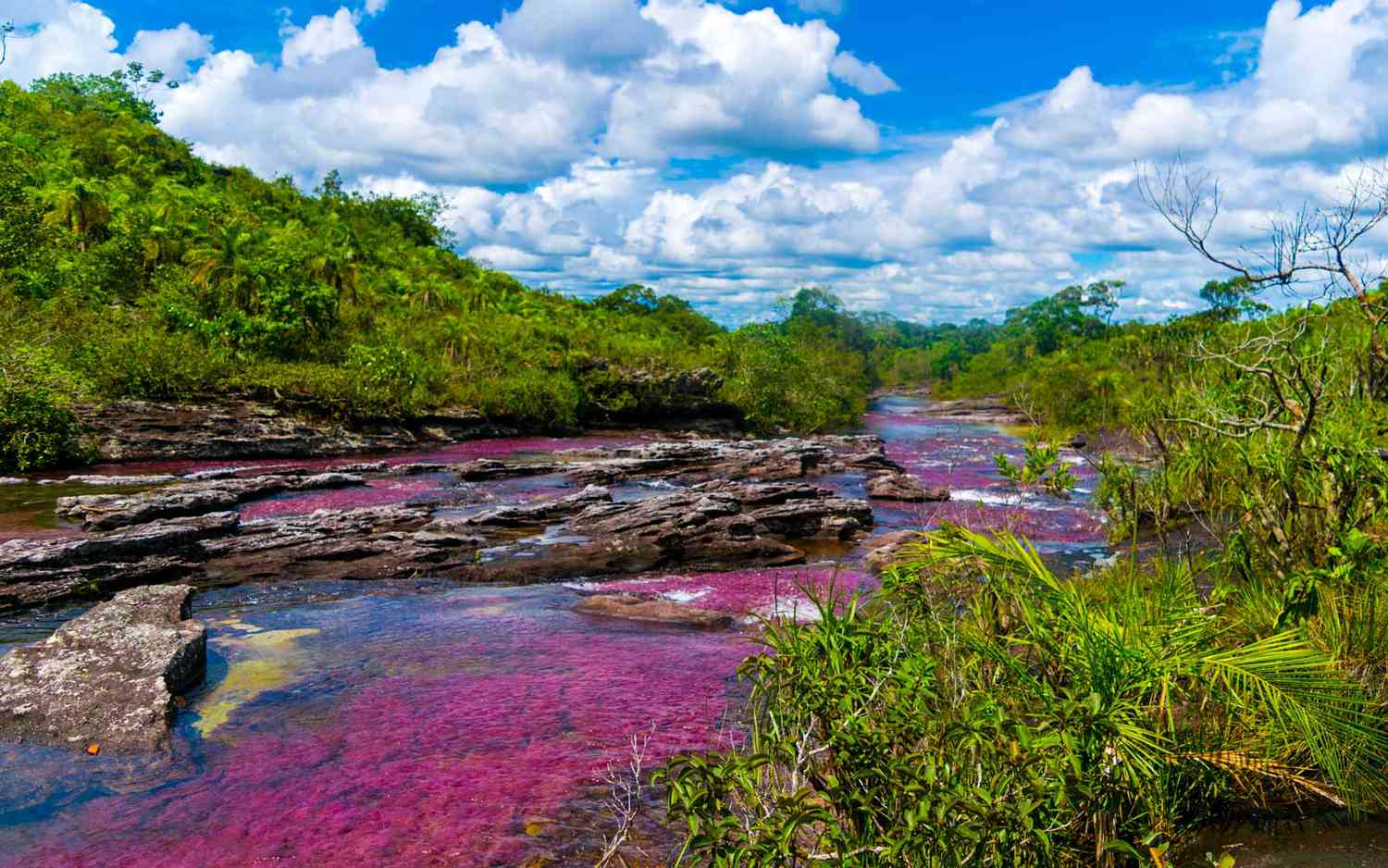
  • Caño Cristales (Meta) – Known as the “river of five colors,” safe with guided tours.

  • San Gil (Santander) – Colombia’s adventure capital for rafting, paragliding, caving, and hiking.

  • Villa de Leyva – A colonial gem with cobblestone streets, wineries, and surrounding nature hikes.

Regions best avoided in 2025

Some areas remain unstable due to armed groups and illicit activities:

  • Border zones with Venezuela and Ecuador

  • Departments like Arauca, Cauca (outside Popayán), Norte de Santander

  • Remote coca-growing regions

These areas are not on most tourist itineraries anyway, so avoiding them won’t limit your trip.

Tips for traveling smart in Colombia

  • Travel by plane between major destinations (saves time and avoids unsafe highways at night).

  • Use apps like Uber or hotel-arranged taxis in cities.

  • Stick to daytime activities and avoid wandering outside tourist neighborhoods after dark.

  • Learn a few Spanish phrases—it goes a long way in building trust.

Why Colombia in 2025 is still worth it

Despite the warnings, millions of travelers visit Colombia each year and leave with unforgettable experiences. Whether you’re sipping coffee on a plantation, dancing salsa in Cali, snorkeling in San Andrés, or hiking to hidden waterfalls, Colombia offers more than enough safe adventures to make your trip worthwhile.

In 2025, Colombia remains a country of colors, rhythms, and warm welcomes—just choose the right regions and you’ll have the trip of a lifetime.

Top 5 National Parks

Top 5 National Parks

Check out our top 5 national parks (Parques Nacionales Naturales -PNN) of Colombia here, ranging from parks in the Andes Mountains to the lowlands in the Llanos and the Amazon.


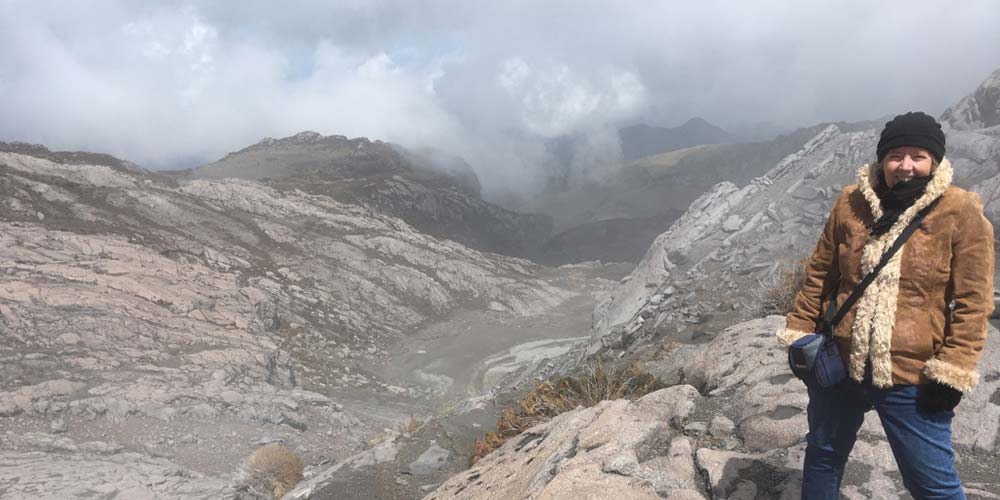
1. PNN Los Nevados

Rio_Cano_Cristales_Colombia


  • Location: Andes Mountains, in the heart of the coffee region
  • Known for:
    – Active volcano Nevado del Ruiz
    – Varied landscape: because of the changing altitude there is tropical rainforest and tundra-like Páramo landscape with frailejones trees, glaciers and lakes. Habitat of the condor, mountain tapir and puma, among others.
  • Hikes
    -Valle de Cocora hike
    -trekking to glacier Nevado de Santa Isabel and Nevado del Tolima
  • Autoroute to Valle de Tumblas (4450m, not for hiking)
  • How to get there
    – Valle de Cocora; short jeep ride from Salento
    – Trekkings: organized trip with tour operator (Manizales, Salento, St. Rosa de Cabal)
    Autoroute: through the Brisas entrance, a 2-hour drive from Manizales.

*NB: Always check the current status of the active volcano Nevado del Ruiz before planning a trip to Los Nevados National Park. If there is increased activity, the park will be closed.

#Top5ToColombia

2. PNN Serranía de la Macarena

Rio_Cano_Cristales_Colombia
  • Location: Llanos (Meta), at the point where the Andes, Amazonas and Llanos meet
  • Known for:
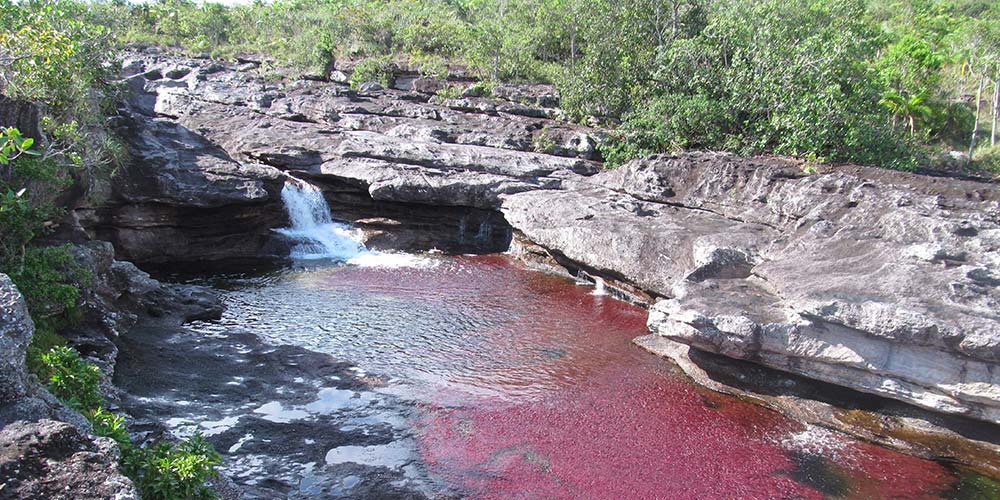
    – Pink River Caño Cristales (June-November)
    – One of the most diverse ecosystems in Colombia, with landscapes ranging from forest and savanna to rainforest
    -Rock formations and waterfalls
    -Natural“jacuzzis”
    -Great diversity of birds, reptiles, insects and habitat for monkeys, deer, pumas, jaguars and anteaters.

  • How to get there.
    – Flight Bogotá-La Macarena (approx. 1.15h)
    – From your hotel in La Macarena, make day trips to PNN Serranía la Macarena. You cannot visit the park on your own; you can only do so with an official guide or tour operator
  • Check out our Caño Cristales travel guide here .


#Top5ToColombia

3. PNN Amacayacu

Rio_Cano_Cristales_Colombia
  • Location: Amazon
  • Known for:
    Indian communities
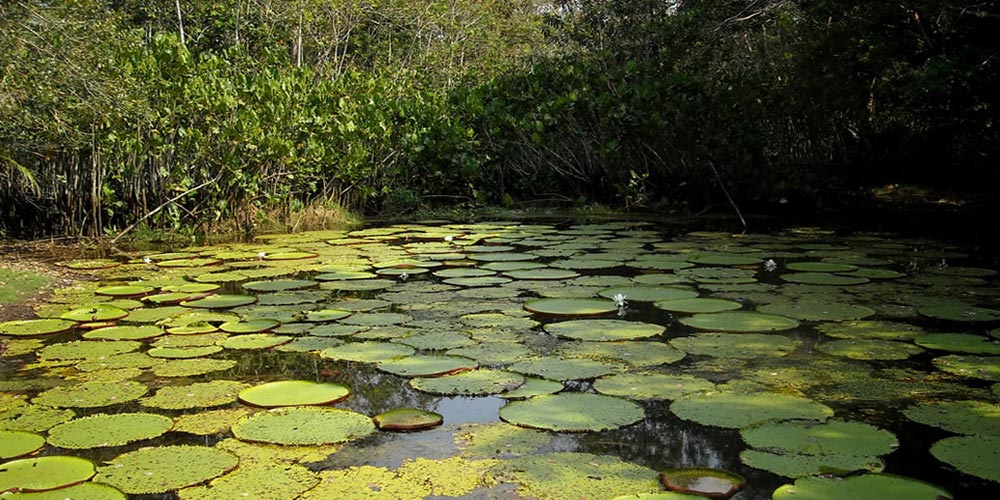
    – Over 4000km2 of jungle, much of which is flooded during the rainy season.
    – Habitat of tapirs, jaguars, many species of monkeys, nearly 500 bird species, 150 aquatic animals and countless plant species, among others.
  • How to get there.
    -Flight Bogotá – Leticia (1.45min)
    -Then by boat to the Indian community of San Martín de Amacayacu or Mocagua for accommodation and a guide to the park
#Top5ToColombia

4. PNN Chingaza

Rio_Cano_Cristales_Colombia
  • Location: Andes Mountains, northeast of Bogota in the department of Cundinamarca
  • Known for:
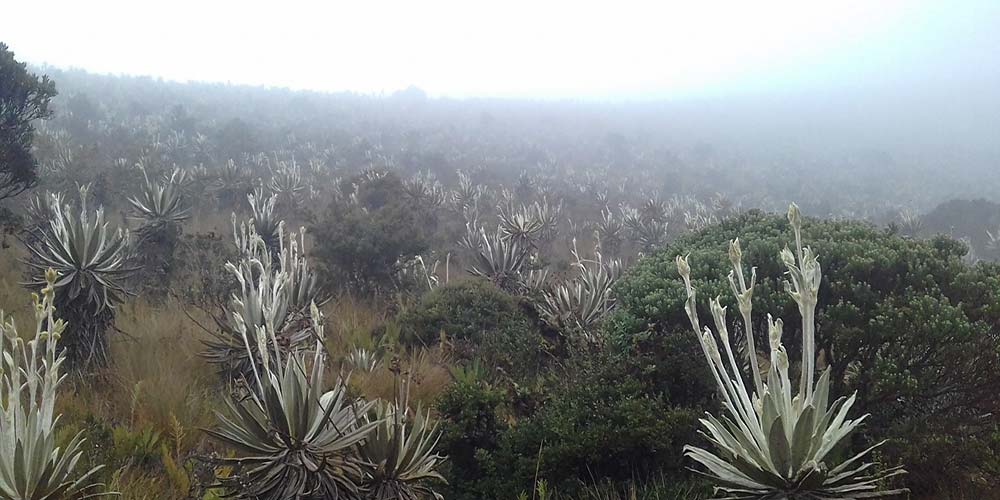
    – Páramo landscape with typical frailejones trees
    – More than 40 glacial lakes
    -Nearly 400 species of birds, including the Condor
    – Home to deer, monkeys, tapirs and the spectacled bear, the only South American bear species
    – Important cultural area because the Muisca and Guayupe Indians once lived here
  • How to get there.
    -By private car from Bogotá (3-4 hours), via one of the three entrances: Guasca, La Calera or Fómeque
    – By an organized tour from Bogotá
#Top5ToColombia

5. PNN Macuira

Rio_Cano_Cristales_Colombia
  • Location: La Guajira, Caribbean Coast.
  • Known for:
    – “oasis” in the desert
    – Diverse ecosystems with sand dunes, mountains and rainforest
    – Great diversity of birds, including migratory birds
    – 15 recorded snake species
    – Wayúu culture
  • How to get there.
    – With an organized trip by all-terrain vehicle. The trip takes about 8 hours from Riohacha.
#Top5ToColombia

Check our Top 5 Colombia for our other Colombian favorites. Here read practical information about Colombia and travel guides for popular travel destinations and off the beaten track destinations. Check out our itineraries and travel stories for inspiration for your round trip in Colombia.

Best Day Trips from Medellín: Explore Guatapé, Santa Fe de Antioquia, and Coffee Farms

Home 9 Author archive for J

Medellín, the city of eternal spring, is not only known for its year-round pleasant weather and vibrant culture, but it also serves as a gateway to some of Colombia’s most beautiful and diverse destinations. If you’re looking to get away from the hustle and bustle of the city for a day, there are plenty of exciting day trips just a short drive away. Whether you’re interested in outdoor adventures, charming towns, or learning about Colombian culture, Medellín offers easy access to a variety of destinations that are perfect for a one-day escape. Here are some of the best day trips from Medellín:

1. Guatapé: A Colorful Paradise

Distance from Medellín: 2 hours (approximately 80 km)

Why Visit?
Guatapé is one of the most popular day trips from Medellín due to its picturesque landscapes, vibrant streets, and iconic rock formation, La Piedra del Peñol. This charming town is known for its colorful buildings adorned with intricate bas-relief designs, creating a stunning contrast against the surrounding lush green countryside. Whether you’re a nature lover or a photography enthusiast, Guatapé offers a perfect blend of scenic views, historical charm, and adventure.

What to Do:

  • Climb La Piedra del Peñol: The highlight of Guatapé is the enormous rock formation, La Piedra del Peñol, which offers panoramic views of the surrounding lakes and rolling hills. The 740-step climb is definitely worth the effort!

  • Stroll through the Town: After exploring the rock, take a walk through the colorful streets of Guatapé. Visit the town’s main square, where you can sit at a café and admire the vibrant murals on the houses.

  • Boat Tour on the Reservoir: You can take a boat tour around the reservoir for a relaxing experience, with opportunities to spot local wildlife and enjoy the stunning scenery.

How to Get There:

  • Public Transport: There are frequent buses that depart from Medellín’s North Terminal (Terminal de Transportes) to Guatapé. The trip takes about two hours.

  • Private Car or Taxi: If you prefer a more comfortable and flexible option, consider hiring a taxi or a private driver. This will also give you the freedom to explore at your own pace.

Accommodation:

  • Guatapé has a variety of accommodations, from budget hostels to boutique hotels with beautiful lake views. If you’re just visiting for the day, it’s still a great idea to stay in Medellín and make the trip back in the evening.

    Recommended accommodations:

  • Jordan hotel Boutique
  • The Boato
  • Ecolodge Bahia del Peñón

2. Santa Fe de Antioquia: A Step Back in Time

Distance from Medellín: 1.5 hours (approximately 80 km)

Why Visit?
Santa Fe de Antioquia is a colonial gem that offers a glimpse into Colombia’s past. This charming town is known for its cobblestone streets, whitewashed buildings, and historical architecture. As one of the oldest towns in the Antioquia region, Santa Fe de Antioquia is perfect for history lovers who want to explore a well-preserved slice of Colombian heritage.

What to Do:

  • Visit the Puente de Occidente: This iconic suspension bridge, built in the 19th century, is one of the largest in Colombia and is an engineering marvel. It offers fantastic views of the surrounding mountains and the Cauca River.

  • Explore the Historic Center: The town’s main square, Plaza de la Independencia, is home to several important colonial buildings, including the Cathedral of Santa Fe de Antioquia. Wander through the charming streets, visit the local museum, and enjoy the slow-paced atmosphere.

  • Relax by the River: Take some time to relax along the banks of the Cauca River. There are several spots where you can take in the view and enjoy the tranquil surroundings.

How to Get There:

  • Bus: You can catch a bus to Santa Fe de Antioquia from the North Terminal in Medellín. The bus ride takes about 1.5 hours.

  • Private Transportation: A private driver will allow you more flexibility in your schedule and the opportunity to stop at scenic spots along the way.

Accommodation:
Santa Fe de Antioquia has a range of accommodation options, including colonial-style boutique hotels and rustic guesthouses. However, for a day trip, it’s best to return to Medellín in the evening.

Our recommended accommodations are:

3. Coffee Farms: Experience Colombia’s Coffee Culture

Distance from Medellín: 1.5 to 2 hours (depending on which region you visit)

Why Visit?
Colombia is known for producing some of the finest coffee in the world, and a visit to one of the coffee farms in the region is an unmissable experience for coffee enthusiasts. The Coffee Triangle (Zona Cafetera) is a UNESCO World Heritage site, but you can also visit smaller farms closer to Medellín to get a taste of the coffee culture.

What to Do:

  • Coffee Farm Tour: Take a guided tour of a coffee farm to learn about the entire coffee production process, from planting the coffee beans to brewing the perfect cup. Many farms offer interactive tours where you can pick coffee beans, roast them, and, of course, taste the coffee!

  • Hike Through the Coffee Region: Some farms offer nature walks through the lush landscapes that surround the coffee plantations. These walks provide stunning views and insight into the agricultural practices of the region.

  • Coffee Tasting: No visit to a coffee farm is complete without sampling the coffee. Enjoy a tasting session where you can try different varieties of Colombian coffee and learn about their unique flavor profiles.

How to Get There:

  • Tours: Many tour companies in Medellín offer day trips to coffee farms, complete with transportation, a guide, and sometimes meals. This is a hassle-free option for international visitors.

  • Public Transport or Private Car: Alternatively, you can take a bus or hire a private driver to one of the nearby coffee regions.

Accommodation:
Some coffee farms offer overnight stays in rustic cabins or eco-lodges, so if you prefer to extend your experience, consider staying overnight.

Recommended accommodations:

Travel Tips:

  • Transportation: Public buses are an affordable and reliable option, but if you’re short on time or prefer comfort, hiring a private driver or booking a guided tour can make your day trip more enjoyable and less stressful.

  • Language: While many Colombians in tourist areas speak some English, it’s helpful to learn a few basic Spanish phrases. This will enhance your experience and allow you to connect better with the locals.

  • Weather: The weather in Medellín is mild year-round, but it can vary in other regions. Be sure to bring comfortable clothes and sunscreen for outdoor activities, and a light jacket for cooler mountain areas.

  • Safety: As always, be aware of your surroundings and take the usual safety precautions. Colombia has made great strides in tourism safety, but it’s best to stay informed and follow local advice.