The best restaurants in Salento – Food and drinks

Home 9 Author archive for J ( Page 10 )

Food and drink in Salento

There is no shortage of restaurants in Salento. Whether you want traditional Colombian food, international, vegetarian or vegan, there is a lot to choose from. One of the local specialties served in almost all restaurants in Salento is trucha (salmon trout), which is prepared in a variety of ways: with garlic, stewed in coconut milk, baked with mushrooms and cheese and more.

Here you will find our tips for the best restaurants in Salento, the nicest cafes for a cup of coffee and the coziest places to have a drink.

Our tips

Traditional Colombian food
BALCONES DEL AYER

Cl 6 #5-40
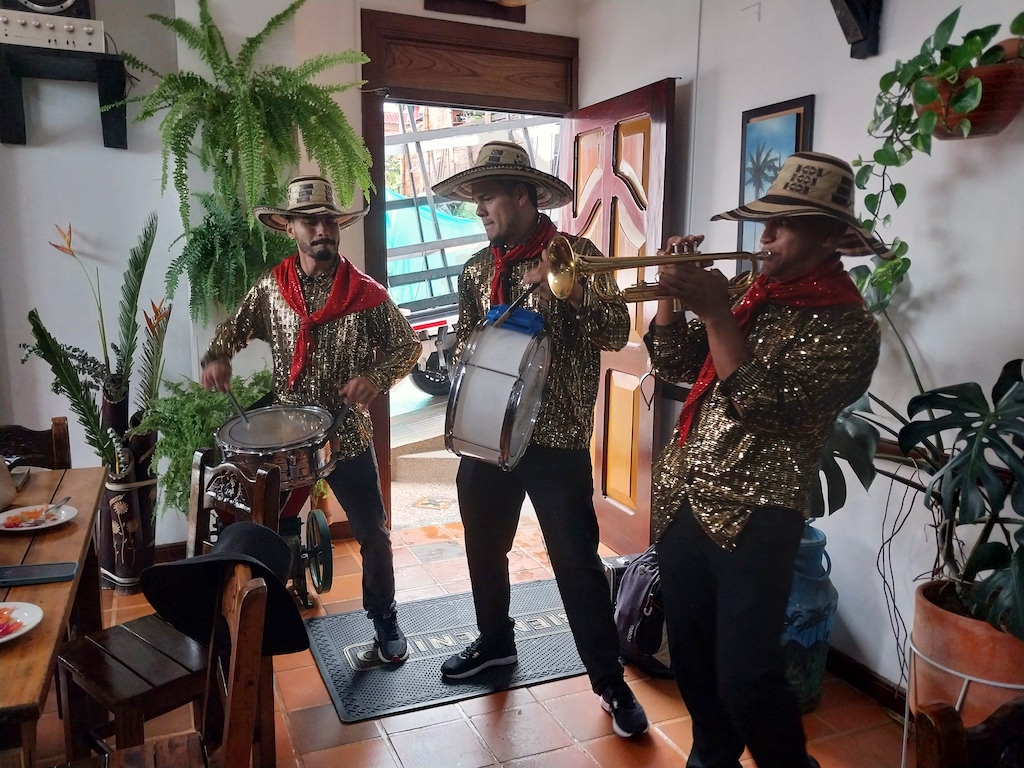
Very good restaurant of the eponymous hotel Balcones Del Ayer. Ons favoriete gerecht hier is de gestoofde forel, die wordt afgebakken met champignons en kaas in de oven. Ook kun je hier terecht voor een goed ontbijt, zoals de American pancakes met fruit. Toen wij hier wilden lunchen, was er net een grote tourgroep in het restaurant en moesten we later terugkomen voor een tafeltje. We besloten te blijven en een biertje te bestellen, want er was live muziek en de sfeer was geweldig met opzwepende muziek en dansende toeristen!
CASA WILLYS

Cra. 7 # 5-17 (Plaza de Bolívar)
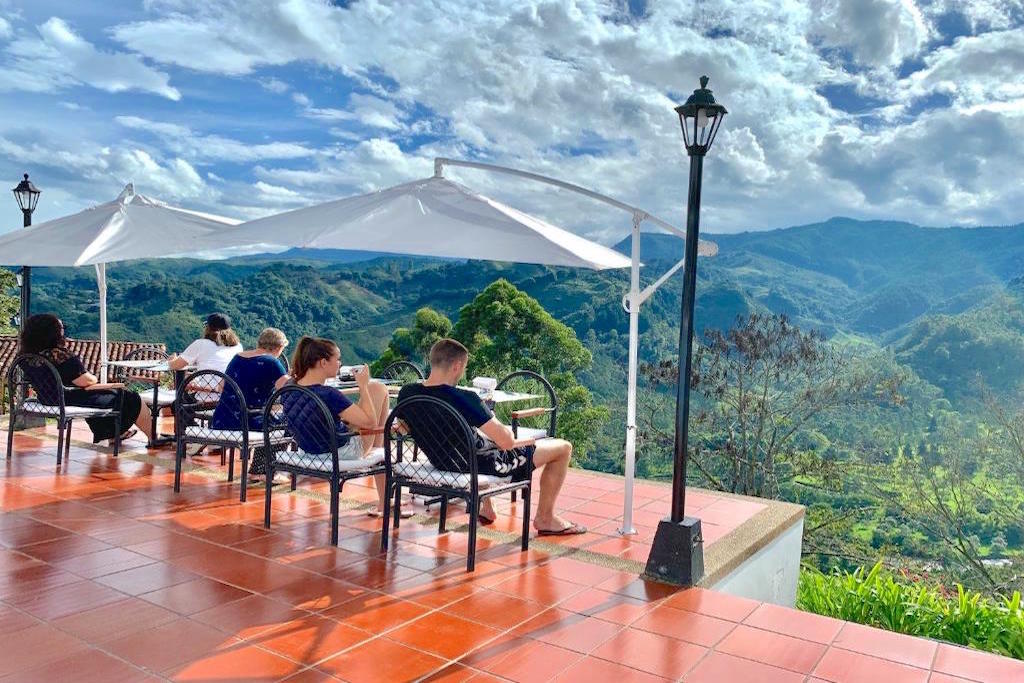
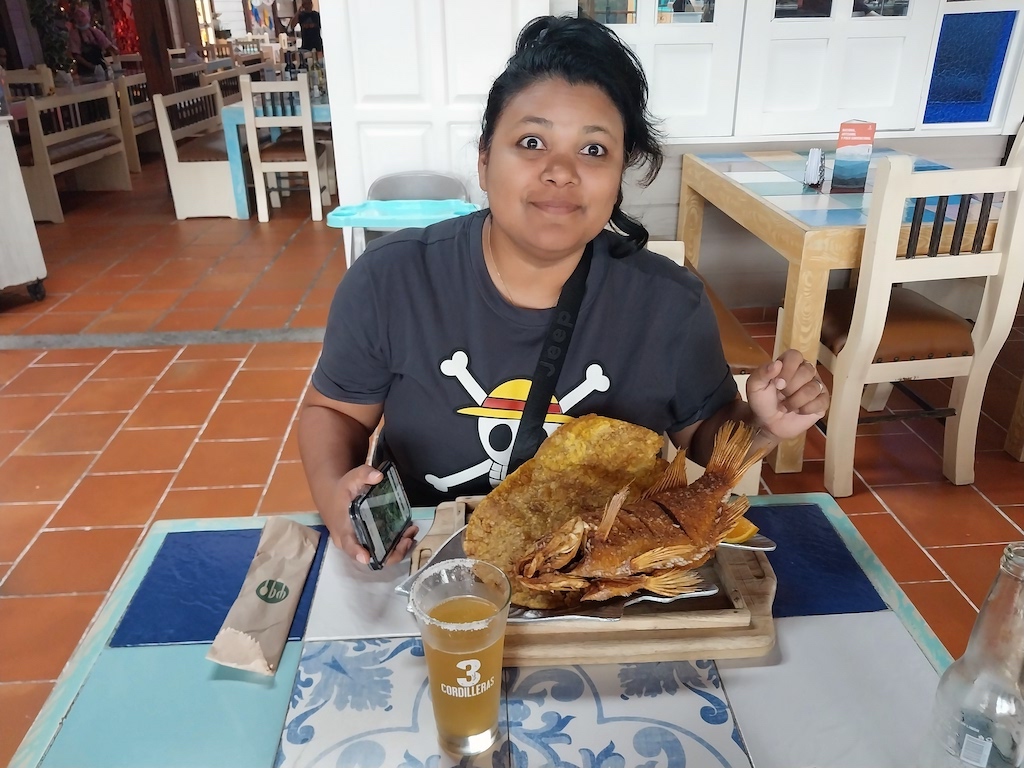
This spacious restaurant has a patio where you have a nice view of the mountains. We had delicious Trucha here and Mojarra eaten. The fish was served with salad and a large patacón (made of banana). The portions were giga, especially the Mojarra. Yet we paid only COP43,000/€11 for this huge fish!
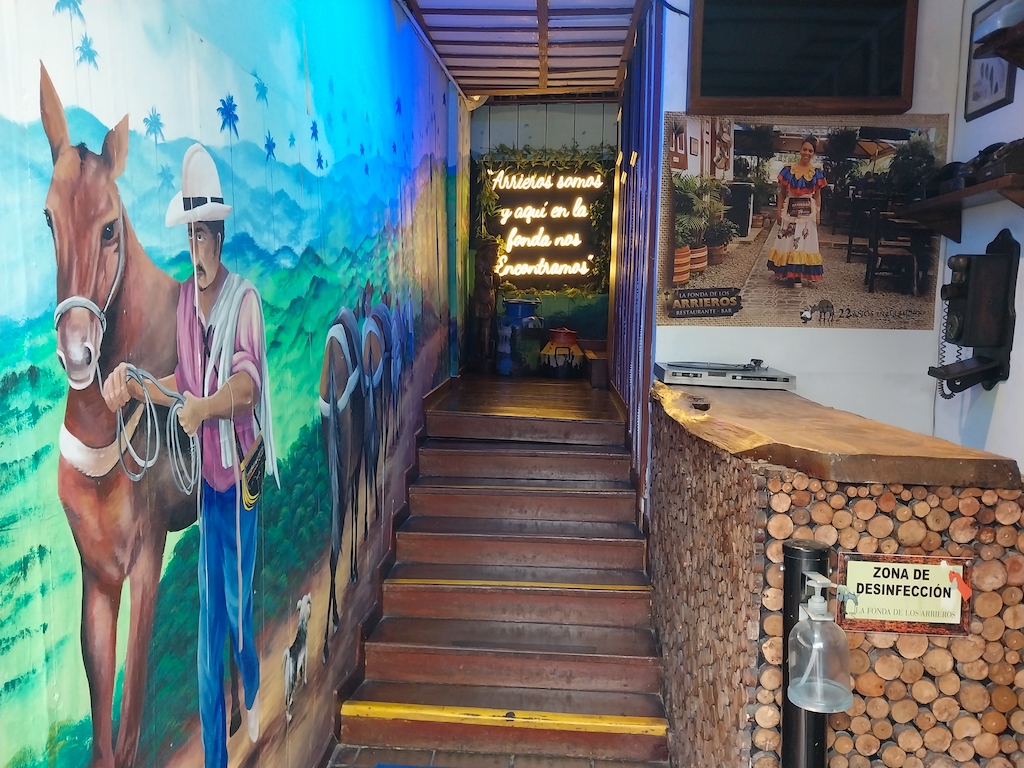
LA FONDA DE LOS ARRIEROS

Cra. 6 #3-21
You would come here for the beautiful murals alone! La Fonda de los Arrieros is a traditional Colombian restaurant, serving fish, meat and chicken dishes and Colombian specialties such as Bandeja Paisa.

International restaurants
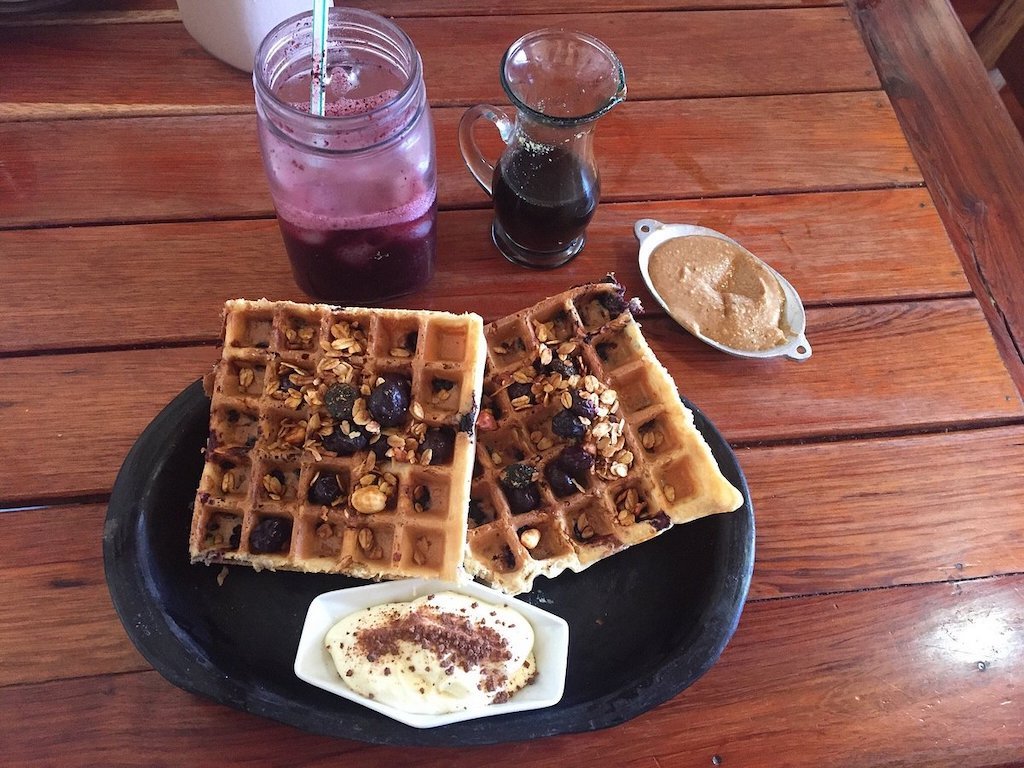
BRUNCH DE SALENTO

Cl. 6 #3-49
Brunch de Salento opens as early as 6 a.m. for the early birds. You can also bring a specially prepared packed lunch for your hike to the Valle de Cocora (also vegetarian and vegan). Furthermore, you can go there throughout the day for dishes like nachos, burgers and much more. The portions are large and the service is very friendly. Using a map with the hikes there are around Salento, the staff is happy to explain the routes to you.
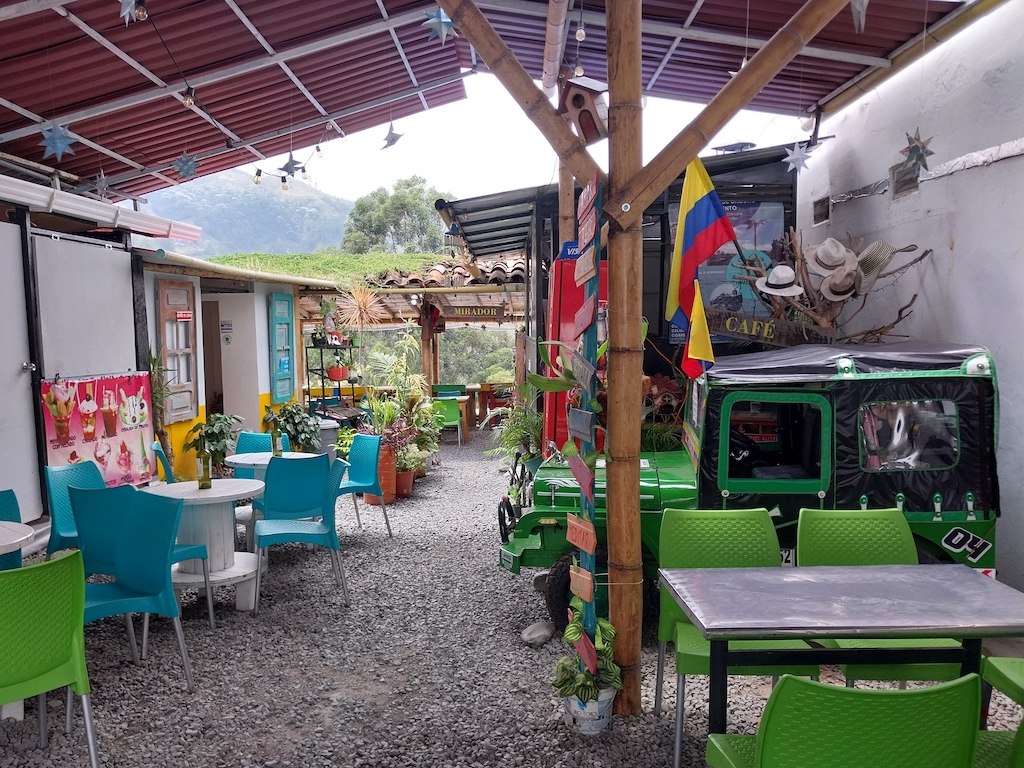
MIRADOR DEL QUINDÍO CAFÉ RESTAURANTE BAR

Cra. 7 #4-09
One of the cozy places where you can have something to eat and drink while enjoying the view is the Mirador del Quindío restaurante bar. This café-restaurant is located in a quiet street next to hotel Salento Mirador. Er is van alles te krijgen, van hotdogs tot rijstgerechten en later op de dag is er ook pizza verkrijgbaar. Er zijn ook vegetarische opties en er kan ook rekening gehouden worden met allergieën.
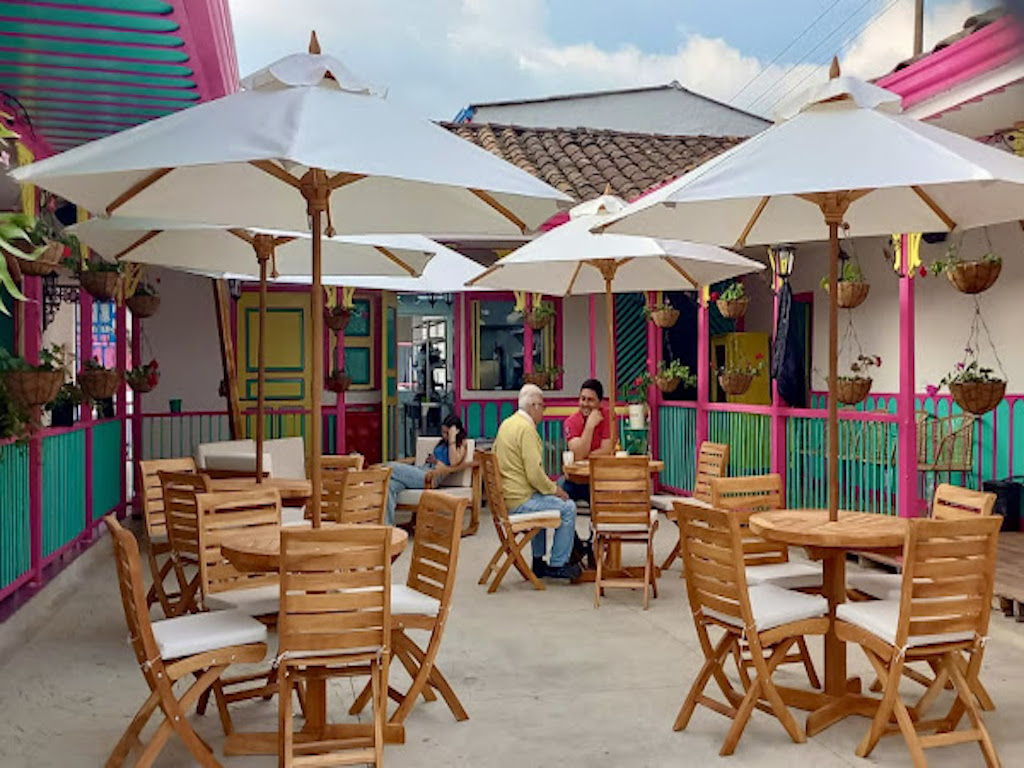
LA CASA DE LAS RUIZ CAFÉ BISTRO

Cl. 7 #5-44
A café bistro in a nice setting, among the murals. Nice if you want to eat something different from traditional Colombian food, with dishes like Mexican bowl and Ramen.

Vegetarian and vegan restaurants in Salento
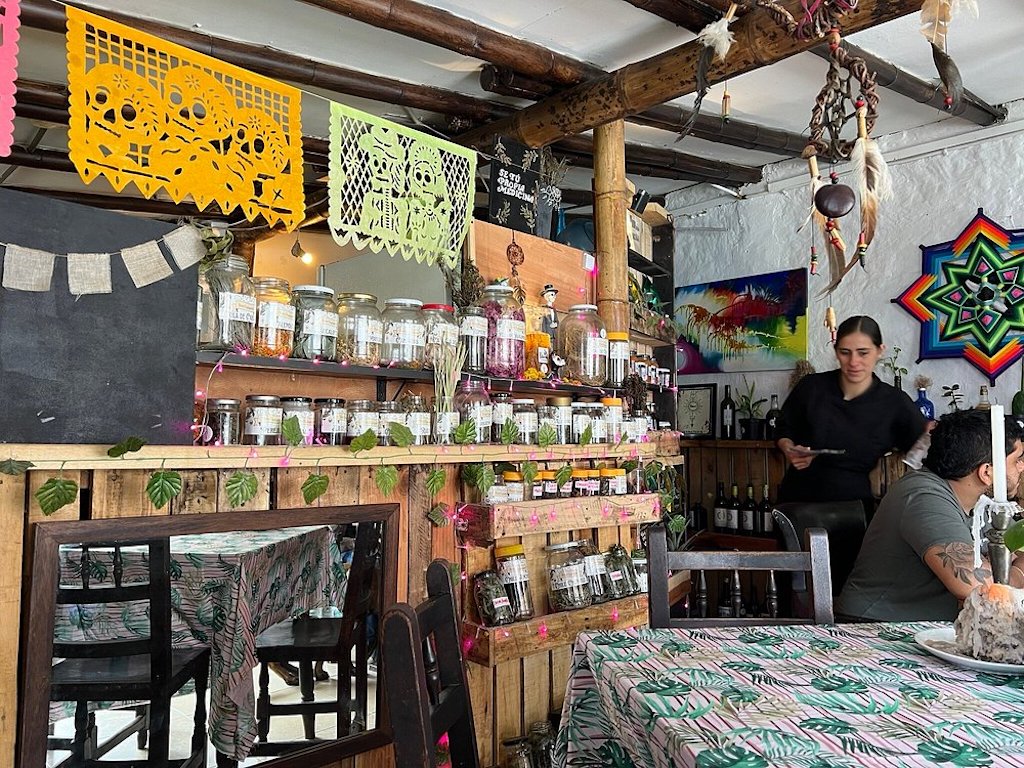
BUMI COCINA NATURAL-YERBATERIA

Cra. 5 #9-33
This restaurant serves vegan and non-vegan dishes and tasty, healthy drinks. It uses local vegetables and fresh herbs from its own garden. The dried herbs are also for sale.
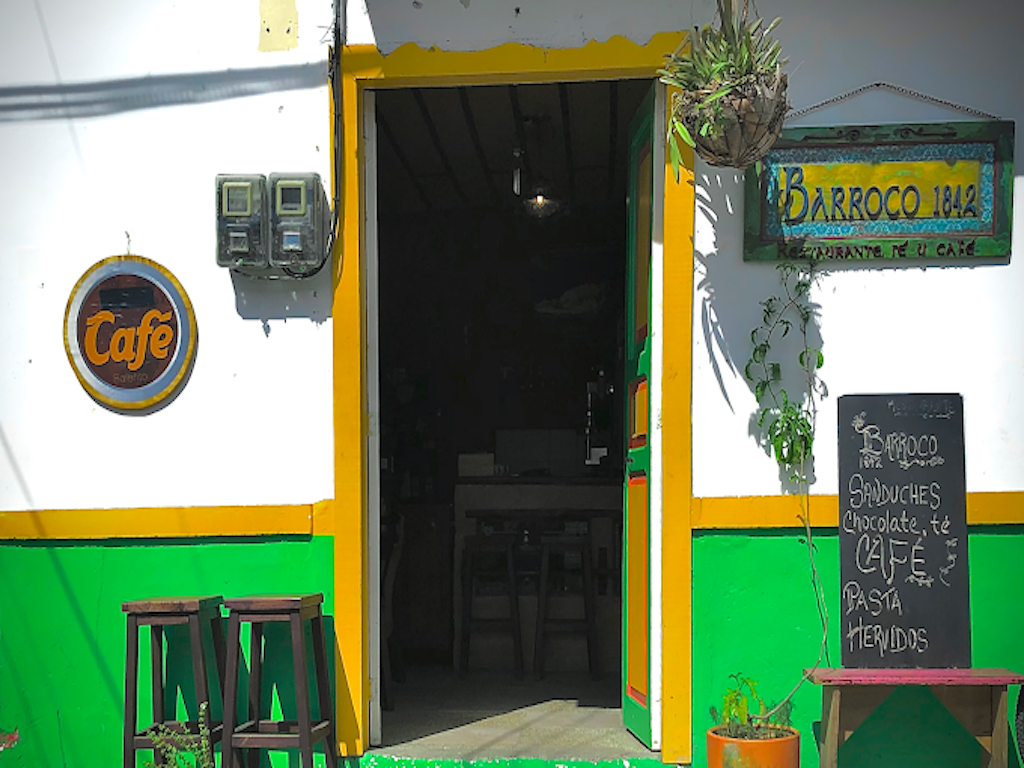
BARROCCO 1842

Cl. 4 #6 55
The restaurant serves a daily veggie menu and alongside this, Barrocco 1842 is known for its delicious coffee and tea.
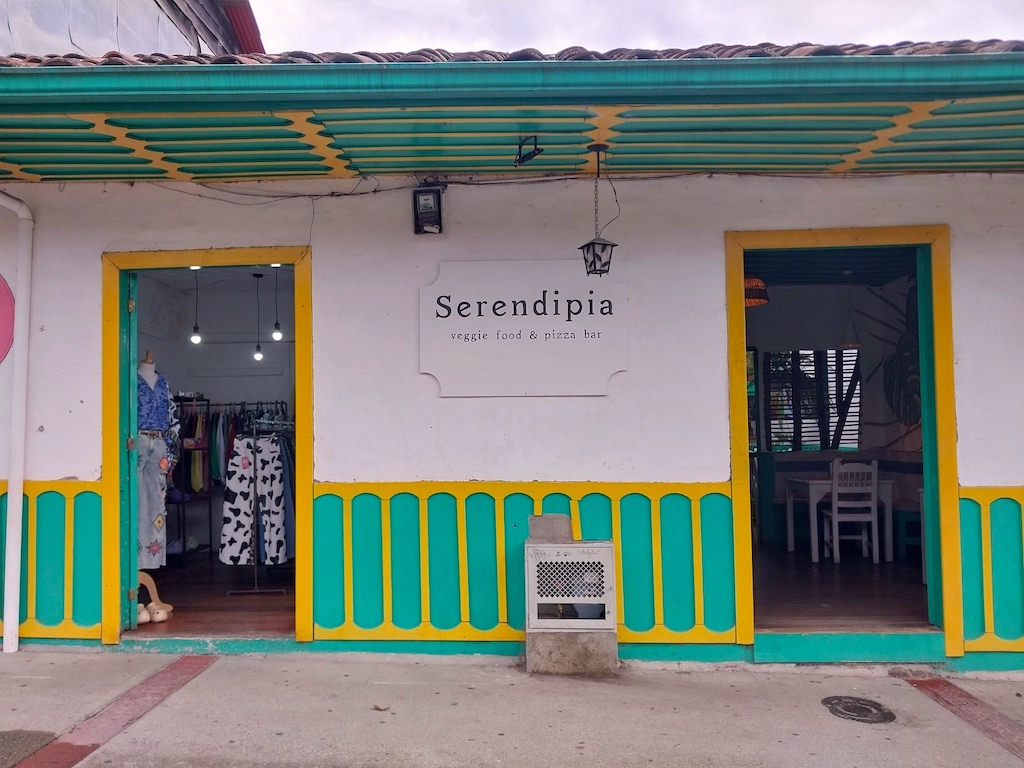
SERENDIPIA, VEGGIE FOOD AND PIZZA BAR

Cra. 6 #2-45
With dishes such as the Portobello burger and the Berenjena Toscana (eggplant dish) and different types of pizza, you have more than enough choices of vegetarian dishes here.

Cafes

We would love to try all the cafes in Salento, because the drinks (and goodies) are generally so delicious and the atmosphere so cozy! Here are a few of our favorite cafes in Salento.
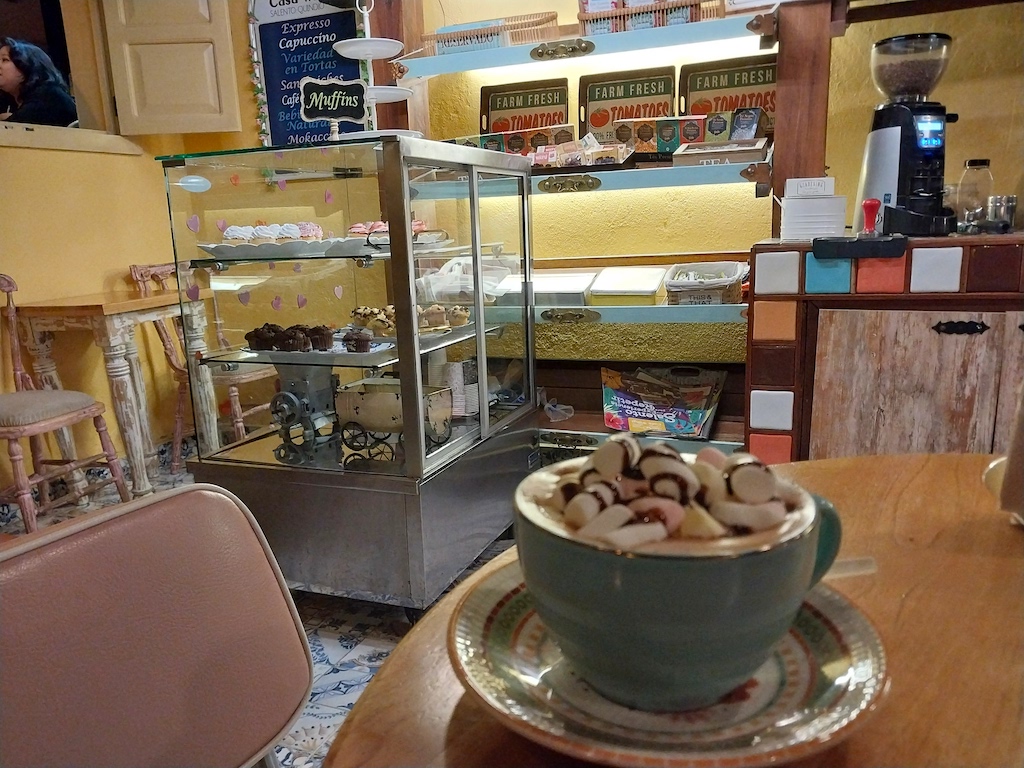
CAFE CASA WILLYS

Cra. 7 # 5-17 (on the square)
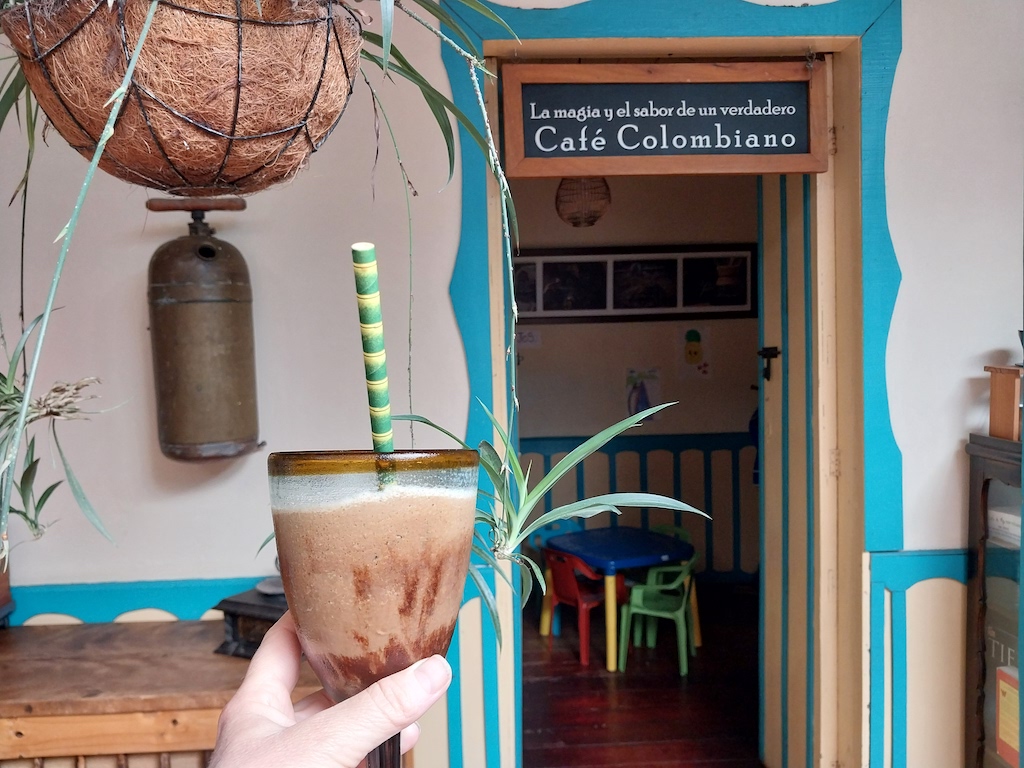
Below the restaurant Casa Willys is a cute little cafe with a fun, creative interior.
What immediately stands out are the many delicious cakes and muffins on display. There are several kinds of coffee and hot chocolate, but you can also go there for a craft beer or mojito. Highly recommended: the chocolate caliente with marshmallows. Yummie!
CAFÉ JESÙS MARTÍN

Cra. 6a #6-14
For a special coffee, cocktails made with coffee and infusions. Dit cafeetje is net een museum, met allerlei decoraties die met koffie te maken hebben. Wij hadden een erg lekkere infusion van passievrucht en gember en een ijskoffie met Baileys. De huiskat maakte de huiselijke sfeer compleet. Je kunt er ook koffiebonen en gemalen koffie meenemen voor thuis.
CAFÉ QUINDÍO

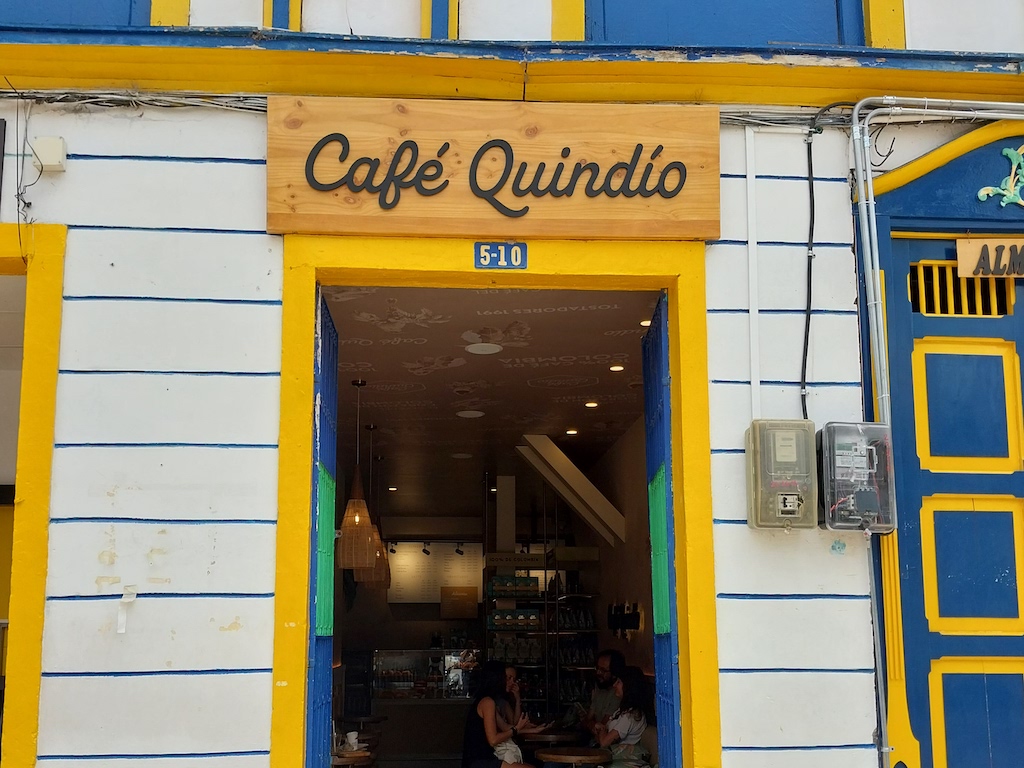
Cra. 6 #510 (on the square)
One of our favorite cafes for a good cup of coffee, cakes and other goodies.
This is one of the few things that sell Nespresso capsules to take home. The other cafes or “roasters” usually only sell coffee beans and ground coffee.

Bars
CANCHA DE TEJO LOS AMIGOS

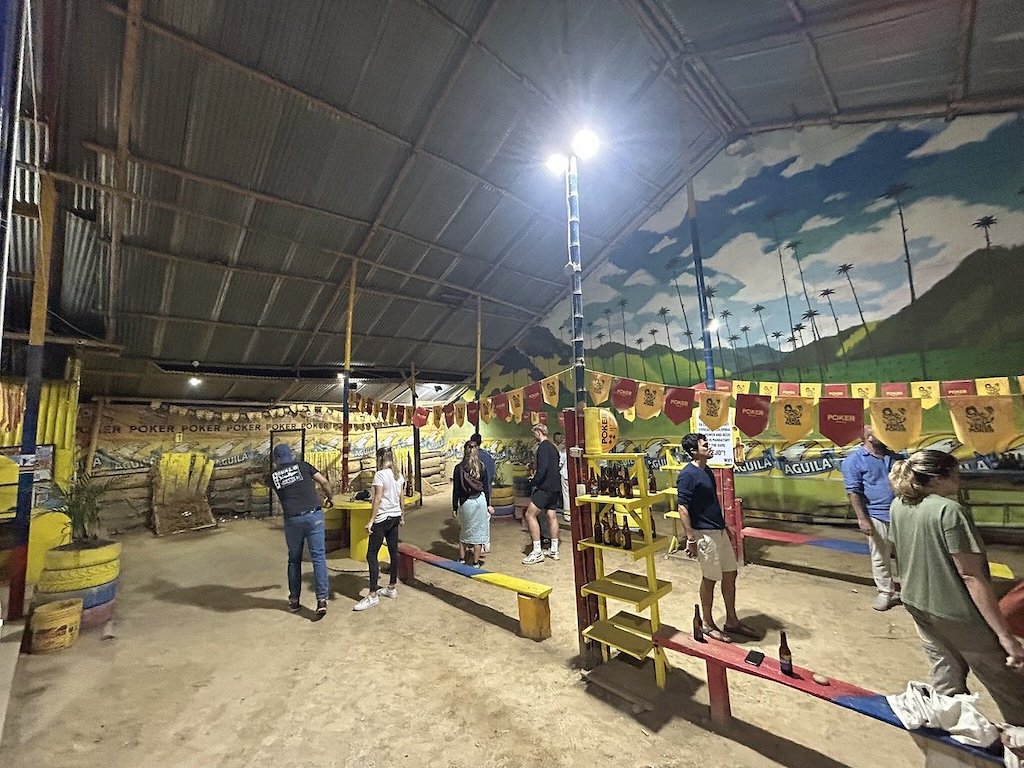
(a 3-98,) Cra. 4 #32
This is
the place in Salento to play Tejo, a typical Colombian game accompanied by lots of beer drinking. Tejo is similar to bowling in terms of throwing, but more exciting -:) Namely, you have to aim at bags of gunpowder! Also a nice place to meet other travelers.
CAFE DANUBIO

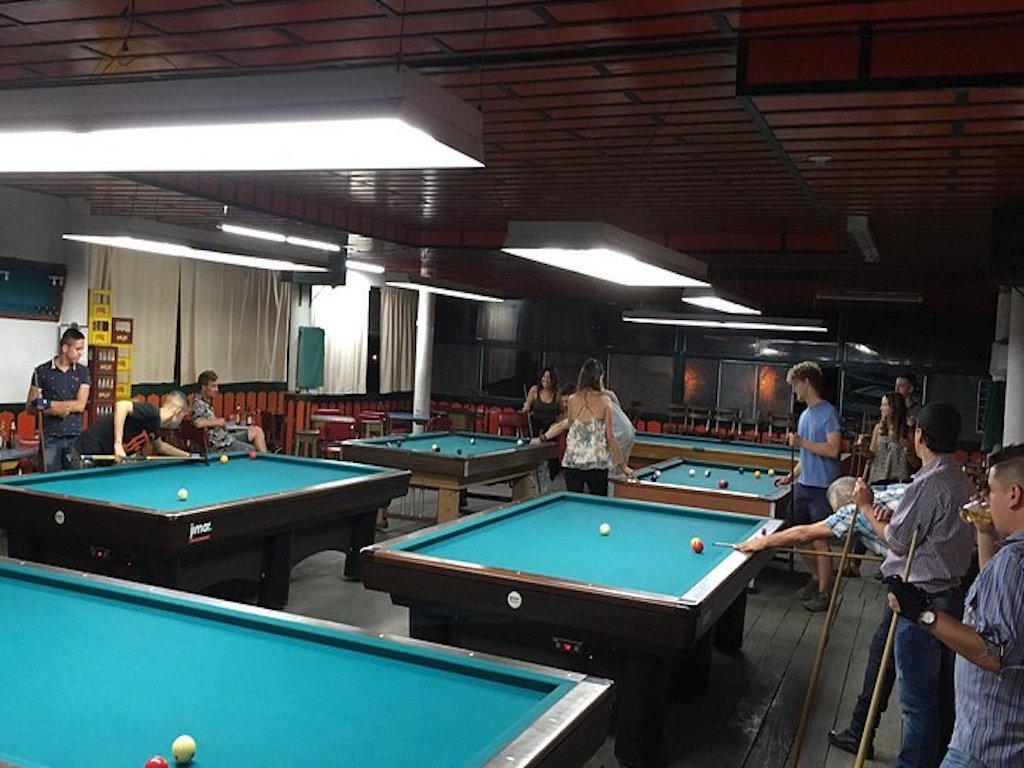
Cra. 4 #30 Calle Real
It couldn’t be more local in Salento: a large café, where locals gather to play billiards.
EL TEJADITO DE SALENTO

Cra. 6 #3-30
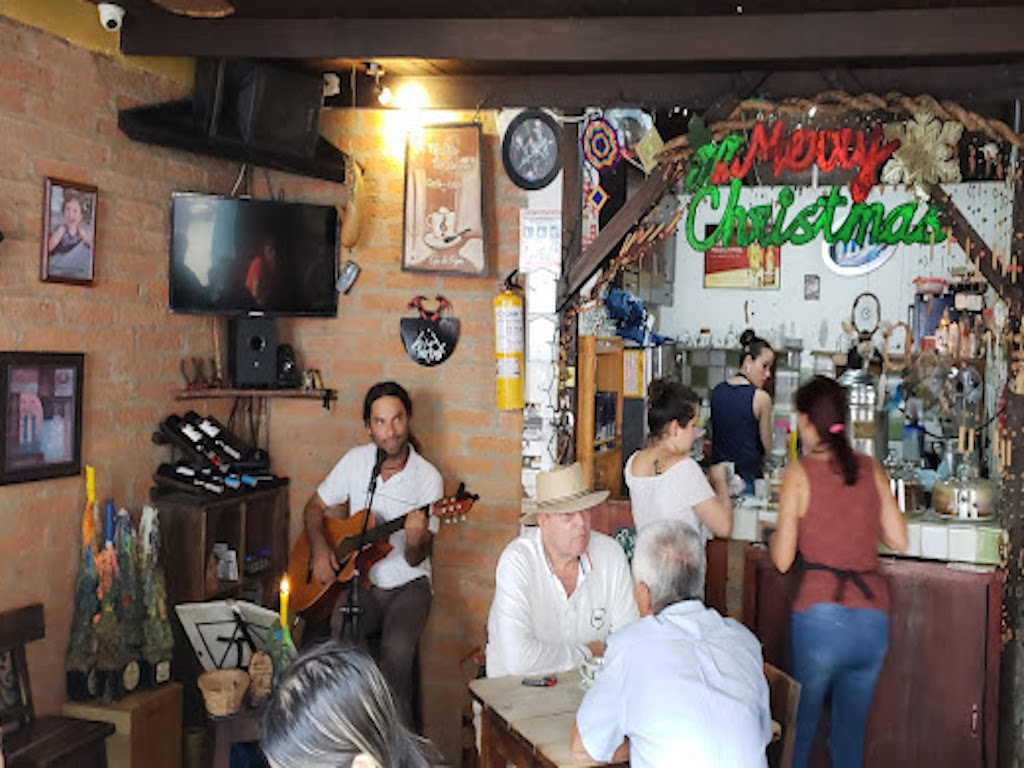
The cafe is small and cozy with only a few tables. You can go there for a beer, a glass of wine or a Mojito.There is regular live music.
Where to stay in Salento? – The nicest neighborhoods + tips

Home 9 Author archive for J ( Page 10 )

Tips for booking your hotel or hostel

Where to stay in Salento? There is a wide choice of hostels, mid-range hotels and more expensive hotels in Salento and its surroundings. In terms of location, you have 3 options here:

1) A hostel or hotel in the center, near the central square.
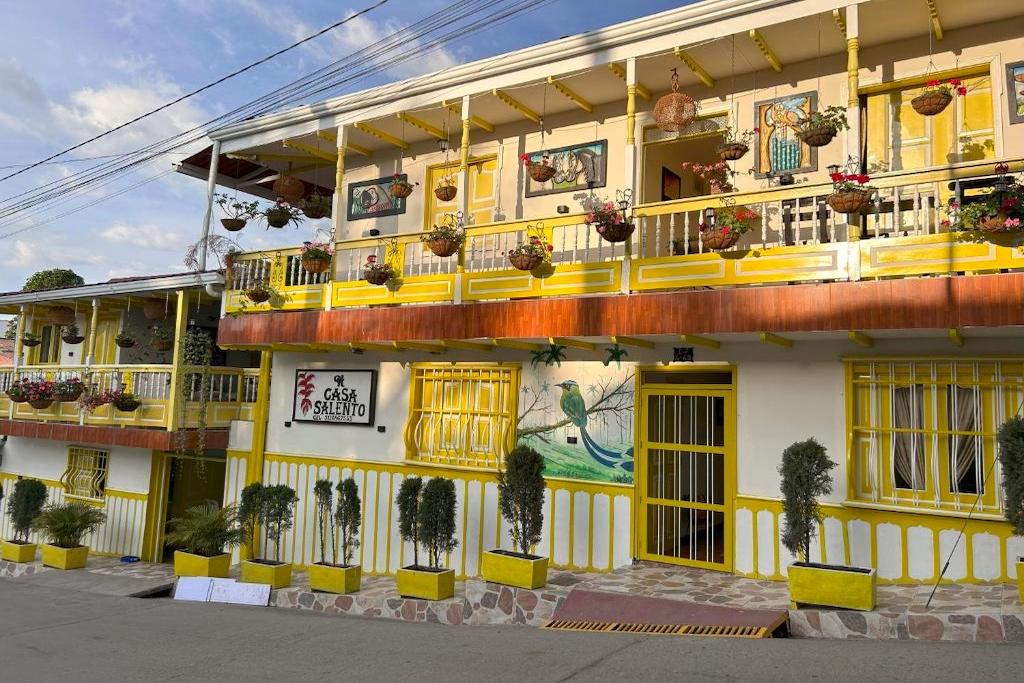
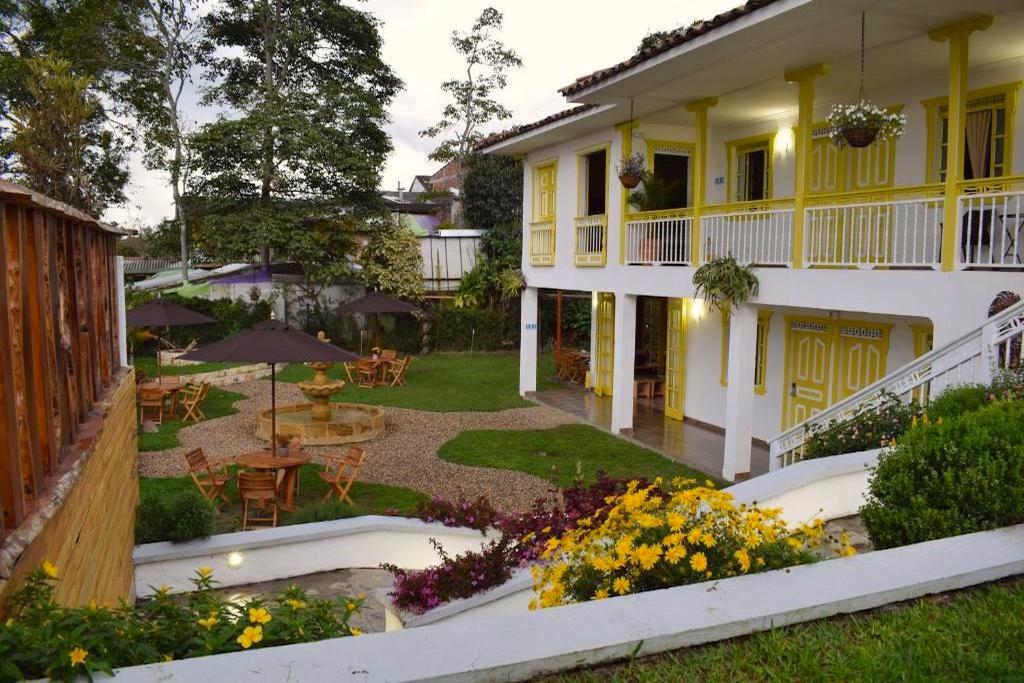
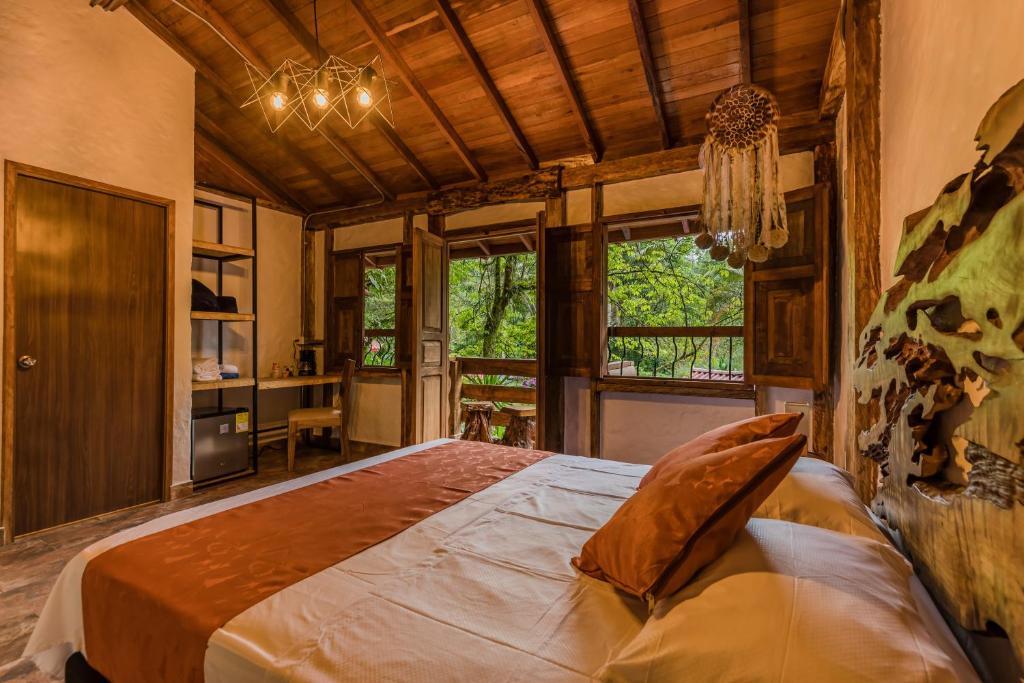
There is a wide choice of affordable accommodations downtown. These are mostly older houses in the authentic architecture of the coffee region, which have been renovated and converted into hostels and hotels. You will be right in the middle of the ambiente. There are lots of nice bars, restaurants and Willy jeeps for transportation to the Valle de Cocora. Downside: if you are so central, the accommodations are generally noisy, due to the sound of the rumba in the bars and restaurants and the traffic. Early in the morning it is already busy with Willy Jeeps and motorcycles on their way to the square. Personally, we found that for a short stay no problem, but if you stay longer, we would recommend a hotel or hostel on the outskirts of the village.
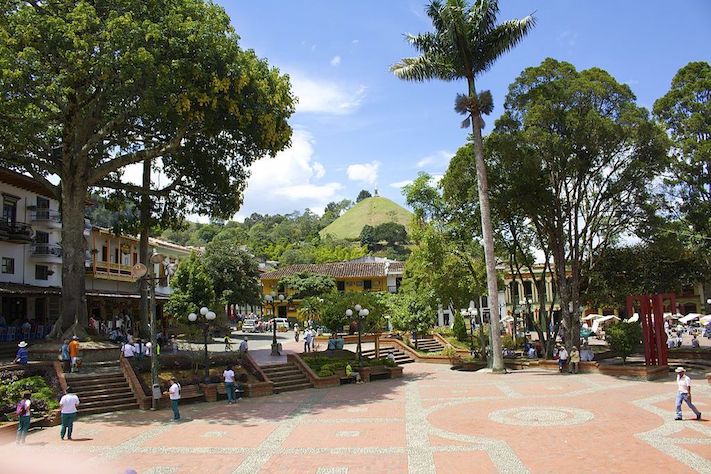
2) A hostel or hotel a little further out of the city center
There is also plenty of choice of hostels and hotels located on the outskirts of the city. Here you are generally less affected by the (traffic) crowds. The city center is still easily accessible with a 5-10 minute walk.

3) Hostels and hotels in nature
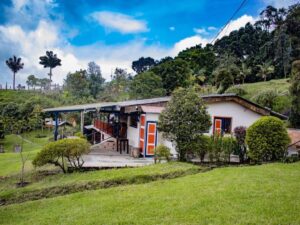
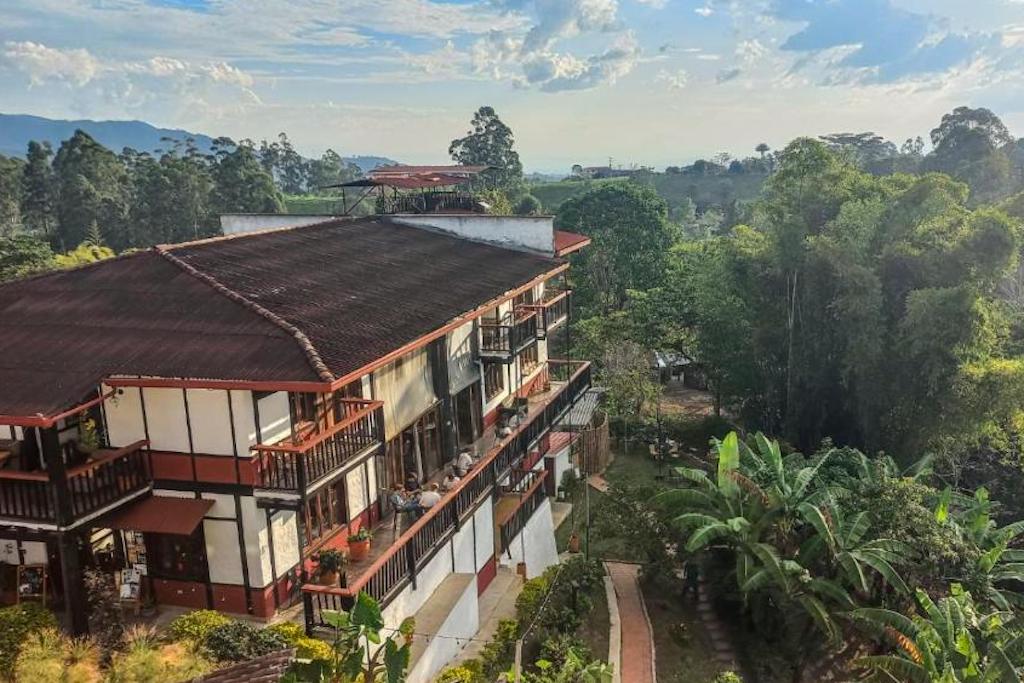
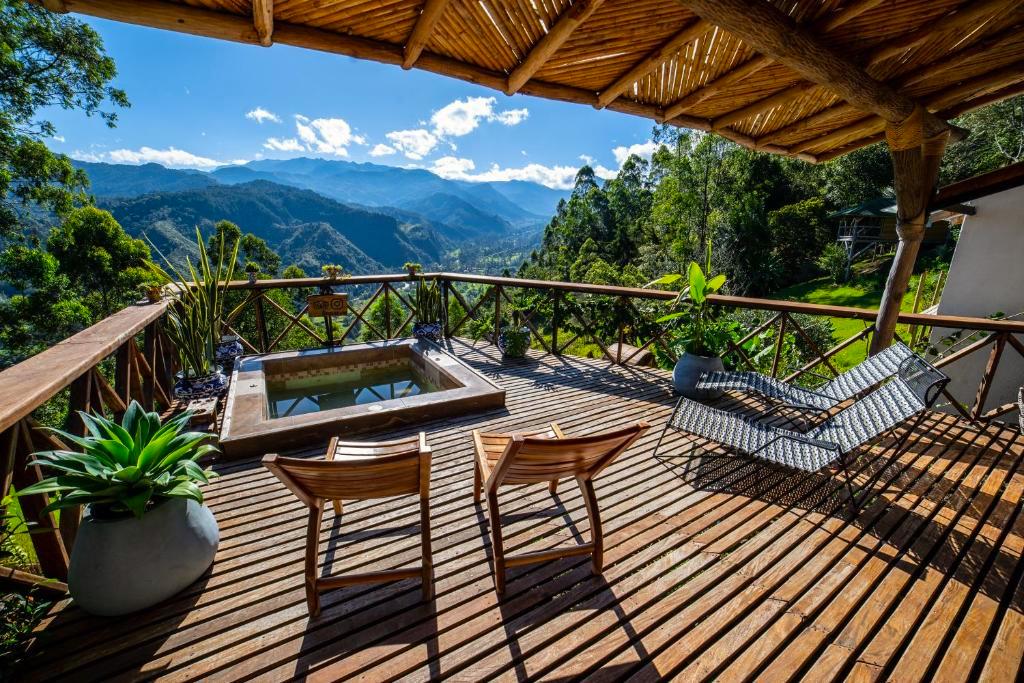
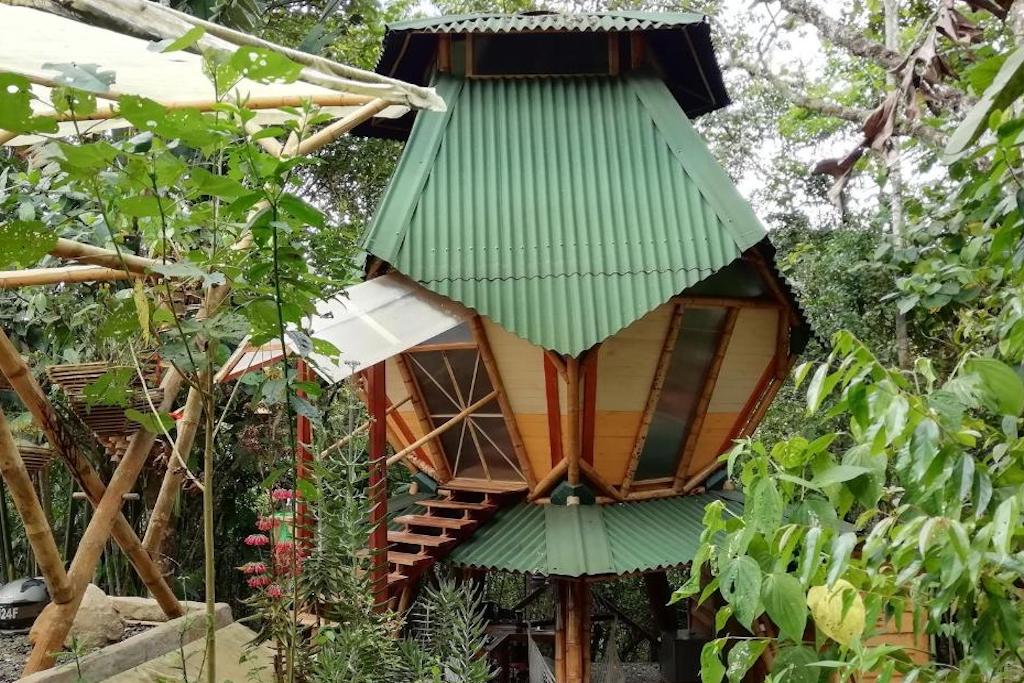
Even outside Salento, there are accommodations for every budget, with a night in a nature reserve, on a finca or in the Valle de Cocora being special options. Especially if you have your own car, accommodation outside the city is an option. Don’t have your own transportation but would like to spend the night in nature? Then check if your hotel offers a shuttle service, or if the bus passes by it on the way to downtown.

Check below for each of the options for staying overnight in Salento.

$ price range up to $40

$$ price range $40 – $75

$$$ price range above $75

The center

On the outskirts of Salento

In nature

All about Salento Colombia – What to do and tips

All about Salento Colombia – What to do and tips

Home 9 Author archive for J ( Page 10 )

About Salento

Everything about Salento Colombia can be found here: what to do and tips about this beautiful colonial village in the Colombian coffee region.

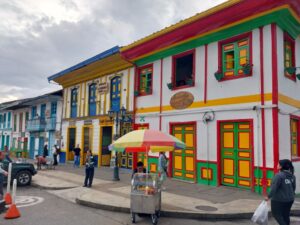
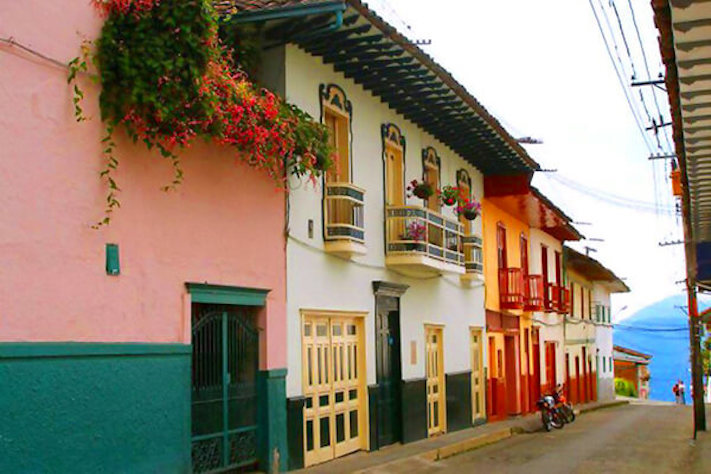
Salento is by far the most popular village in the coffee region, followed by Filandia, which is 30 kilometers away. Nearest major cities are Armenia (25 km) and Pereira (35 km). Salento is located in the mountains at an altitude of 1895 meters and is home to just under 10,000 people, if you include the countryside surrounding Salento. In 2011, the historic center with its colonial architecture was declared a World Heritage Site. The houses have colorful balconies and facades in the authentic architecture of early 20th century coffee towns.

There is a good reason that Salento is one of the most touristic places in the Eje Cafetero: the location is ideal: near the biggest attraction in Salento, the Valle de Cocora Nature Reserve, a hiker’s paradise. Hikers can also take treks to National Park Los Nevados, and nearby are coffee fincas where you can experience the process from “field to cup.”

There is a beautiful and cozy city center and a wide choice of hotels & hostels, cafes and restaurants for every budget and taste.

In this travel guide you will read all about Salento Colombia: how to get there, what to do, what are the best neighborhoods to stay, tips for hostels and hotels, what are the best cafes and restaurants and more. If after reading this guide you are in doubt whether to go to Salento or Filandia, read this article with a comparison of the two coffee villages based on atmosphere, activities, accessibility and more.

All about Salento

How to get to Salento


What to do in and outside Salento
Where to stay in Salento?
The best restaurants in Salento – Food and drinks
Practical information about Salento

Chapinero tour: coffee, culture and Tejo

Home 9 Author archive for J ( Page 10 )

Tour with a local in trendy Chapinero, Bogotá

During our previous trips to Bogotá, we had already seen the well-known tourist sights, such as historic center La Candelaria, Cerro Monserrate and the Salt Cathedral in Zipaquirá. Therefore, during our trip in September 2024, we were looking for something else to do. While checking online, we noticed the Chapinero hotspots and Coolture tour with a local guide. Chapinero is a centrally located neighborhood in northeastern Bogotá between La Candelaria to the south and the Zona Rosa (Zona T) to the north.

Chapinero Alto is known for its hip vibe and its many creative stores, restaurants and cafes. Vogue magazine even called Chapinero Alto the Williamsburg of Bogotá (a trendy neighborhood in New York).

The starting point of the tour was Almendro Repostería Artesanal, a cafe a 15-minute drive from our hotel in Teusaquillo. On our way to Almendro we drove through Chapinero Central, a busy neighborhood with many stores. It didn’t seem like the best neighborhood, but at one point we went uphill across an intersection and here we saw the busy neighborhood turn into a quiet residential area.

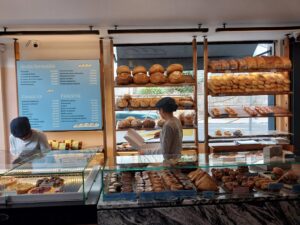
Our Uber dropped us off at the Repostería. We were quite early and waited at a table for guide Angela. In the café we could see right away, that Chapinero Alto is a trendy neighborhood. There were mostly hip, young people here. Given the several laptops, we noticed that Almendro is popular with digital nomads. Angela soon came in and introduced herself. She is a born and raised Rolo (native of Bogotá) who lived in Chapinero Alto for 5 years. She works as an IT designer and owns her own tour company, for which she gives tours in her spare time. In addition to this Chapinero hotspots and Coolture tour, she also does a Chapinero cocktail tour and a hotspots and Coolture tour in Usaquén, where she lives these days. We turned out to be the only two participants on the tour and Angela invited us to choose something delicious from the menu. We chose a cappuccino with a Media Luna (croissant).


Over dinner, Angela explained that Chapinero Alto is a popular place with families and expats. Singles also like living in Chapinero Alto because there are many social things to do and fun places to meet people. From Almendro we walked to the bookstore/publishing house Santo and Seña where we were given a guided tour. In addition to a large collection of Spanish-language books, there was a small collection of English-language books, vinyl records and even cassette tapes!

Angela also showed us a booklet of cartoons about the famous Colombian writer Gabriel Garcia Marquez. The cartoons tell the story of the writer before he became famous. Because Gabriel Garcia Marquez and his family had little financial resources, he had sent only one part of his first book to an Argentinian publisher. The publisher was so enthusiastic, that he sent money to send the other part of the book. And the rest is history!

Boutique Mapa is a beautiful store  selling jewelry, clothing and art by local designers. The unique shoes especially stood out. Varietal was our next stop. This is a well-known café in Bogotá, with several branches. We had our second cup of coffee of the morning on the cozy outdoor terrace.

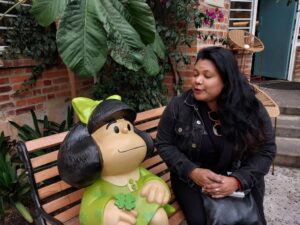
On the bench in the garden we found Mafalda, a popular Argentinian cartoon character. Mafalda is concerned about world peace and has an innocent but serious attitude toward important problems. She plays an important role in Latin America’s long tradition of political satire. Shelly enjoyed a chat with Mafalda -:)

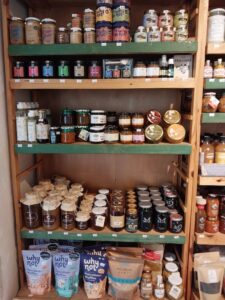
Metkalu is the local “market,” where many local brands and organic products are sold. We found several interesting products, but because of our (already full) suitcases, we couldn’t buy too much. We bought tea made from cocoa and copoazú, a fruit from the Amazon (family of cocoa). We also couldn’t resist the soursop marmalade.

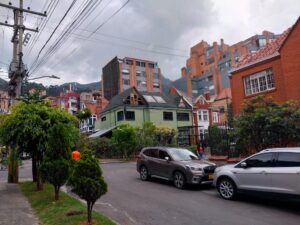
We really enjoyed walking around Chapinero Alto, with its hilly up streets and English architecture.

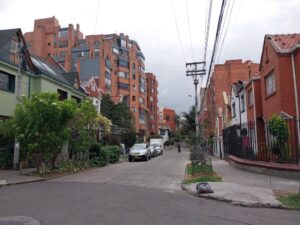
You will find a mix of modern apartment buildings and old residential houses.

Angela explained that rents in Chapinero Alto have risen significantly in recent years and that many residential houses have been turned into restaurants and stores. The older houses are very spacious and different entrepreneurs can share the spaces with each other to reduce costs.

It is a cozy neighborhood, with an artistic vibe, fun neighborhood stores and a wide selection of restaurants and cafes.

In Chapinero Alto you can eat Japanese and Mexican food and order a real eclair or quiche from a French bakery.

In addition, there are several vegetarian restaurants, like Mesa Salvaje, which is also known for its delicious coffee. If you are vegan or vegetarian, then Angela’s veggie tour in Chapinero might be something for you.

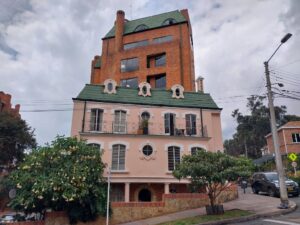
We walked past the HAB Hotel, a boutique hotel located in a beautiful, stylish building. The HAB café is the hotel’s restaurant, which is also popular with locals. If you stay at the HAB hotel, you have more than enough culinary choices anyway, with several restaurants and cafes within walking distance.

For our next and final stop, we walked through Parque de los Hippies to Tejo Turmeque, a walk of about 10 minutes. Parque de los Hippies is -like the Santa Fe neighborhood- a “zona de tolerancia” which means that things that are not allowed elsewhere -such as drugs and prostitution- are tolerated here. By the way, Parque de Hippies is not a real park with greenery, it is more like a square where people gather and teens come to skateboard. In late 2019, Chapinero was the center of anti-government demonstrations. Concerts and other events were held in Parque de los Hippies.

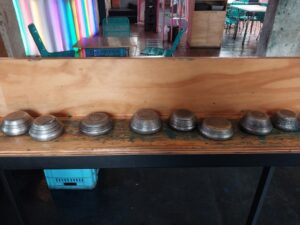
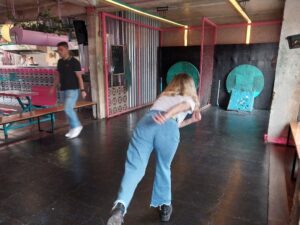
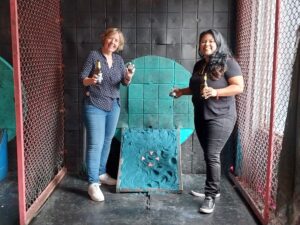
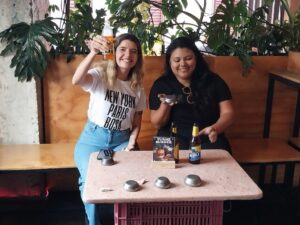
Totally unexpectedly, Angela entered a doorway to Tejo Turmeque, a place we would never have found on our own! The street that Tejo Turmeque is on also had a somewhat “shady” feel to it. According to Angela, it is safe during the day, but not a nice place to walk around late at night. Playing Tejo had been on our wish list for a long time and now we had the chance! We were first given an explanation of the game, where you have to throw steel discs as close as possible to the center of a board filled with with clay. Then you get the most points.


You throw the disk from a distance of 15 meters. If you throw on the paper envelopes filled with gunpowder, a big bang follows and you get extra points.

Of course, that was the thrill of the game! It took some practice, but we managed to hit well a few times.


According to the legend, the origin of the game lies with the Muisca Indians, who used gold discs during rituals.

Throwing the disc, we thought was a bit like bowling, but more exciting! Tejo’s main “rule” is: The more beer you drink, the better it goes -:)

We had twe beers only, but nevertheless it went quite well for the first time! What a great experience to play this game, the three of us had a lot of fun. Next to us were 4 locals, and the competition was pretty fierce as we could hear! Playing tejo in a larger group, is undoubtedly lots of fun too!

The Tejo was the end of the tour and we enjoyed it! It was very nice to get to know a different part of Bogotá with a local, who not only knows the nicest spots, but is also familiar with the history of the neighborhood. Moreover, Angela is an interesting personality with a broad interest which allowed us to talk about all kinds of things, not only about Chapinero and Bogotá, but also about other places in Colombia, Europe and our home base, Curaçao in the Caribbean. In short: highly recommended if you are in Bogotá and want to do something fun that is not on the traditional tourist route!

Travel Date September 2024
Written by Jeanette

#ColombiaMyWay tips & practical information

(updated August 2025)

  • The tour lasts 3 hours and there are different departure times each day. Departure is from Chapinero Alto
  • Tip: If you want to do the Tejo, you can only do it on tours starting at 2 p.m., Thursday through Saturday. On the other days, the tour ends with a cocktail. When booking, mention explicitly that you want to do the Tejo. 
  • An Uber from La Candelaria / Teusaquillo takes about 15min. We came from Teusaquillo and paid COP13,500/$3.50 for the Uber.
  • Drinks and snacks are included, as are 2 beers at the Tejo. We found this more than sufficient, but if you want to order additional (alcoholic) drinks and food, this is at your own expense.
  • Update: In 2025, the tour does not seem to include Tejo anymore, but if you really want to do this, we suggest to send a message to the reseller  here to verify if this can be included.
  • Alternatively, you check these tours in Bogotá. that include tejo in other areas of town.
  • Want to stay in this trendy neighborhood? Then check here your options for hotels and hostels in Chapinero.

We do not accept direct payments from touroperators or hotels for our reviews and we pay for our own stay and tours. Every recommendation is based solely on our own experiences and honest opinions. However, some of our links are affiliate links, which means we earn a small commission if you book through them. This commission comes at no extra cost to you and helps us maintain our website.

Jeanette and Shelly

Writers and Travelers, Colombia My Way

Off-the-beaten-track destinations in Colombia

Colombia has much to offer the traveler, from bustling cities and dense jungle, to beautiful beaches, national parks and traditional villages. There are also still many beautiful, unknown destinations that are not on most travelers’ plans. The reason for this? It is often more difficult to get there or tourism is just getting started. These -off the beaten track- destinations, we at NaarColombia find especially worthwhile!

Here we share tips for our favorite off the beaten track destinations of Colombia!

#1 Casanare

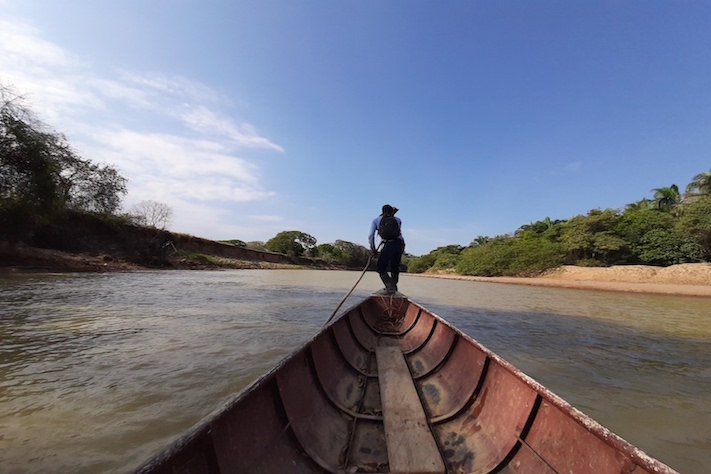
The department of Casanare in the Llanos Orientales, is known for its great diversity of birds, wildlife and typical Llanero culture. On some hatos (ranches) in the private nature reserves, you can experience the life of the Colombian “cowboys.” Activities you can do are bird watching, horseback riding, wildlife watching during a Colombian safari and take a boat ride on the river. Animals you can see include capybaras (the largest rodents in the world), anteaters, armadillos, caimans and howler monkeys. Starting point for a trip is capital Yopal, accessible by plane from Bogotá and Medellín and by bus from Bogotá. The hatos that are within a few hours’ drive of Yopal are usually easily accessible by car. If you want to get to a hato deep inland, a private transfer from the airport is the best option. Public transportation is limited in these remote areas and you can often only get there by all-terrain vehicle or motorcycle.

#2 Chocó-Pacific

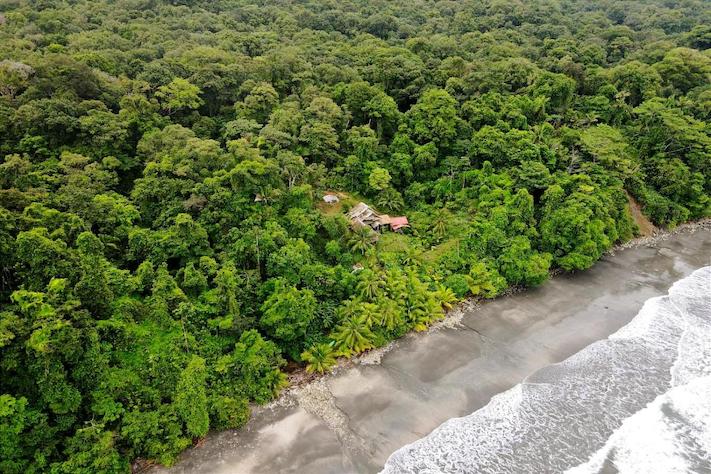
Chocó is one of the most authentic regions of Colombia and one of the wettest places in the world. Because of this, there is exuberant nature with dense jungle that ends on miles of beaches. This is the best place in Colombia for whale watching and some of the best diving in the world can be found here. Chocó couldn’t be visited for a long time due to the conflict, but nowadays the villages of Nuquí and Bahía Solano + El Valle are safe to visit. Nuquí and Bahía Solano can be reached by a direct flight from Medellín. Chocó is one of the poorest areas of Colombia, but locals have embraced tourism and are happy and proud to welcome travelers. Reason enough to be surprised by the overwhelming nature, wildlife and smiling faces of the largely Afro-Colombian inhabitants. Read our travel guide Chocó for more info about what to do, where to stay and safety in Chocó.


#3 Amazon

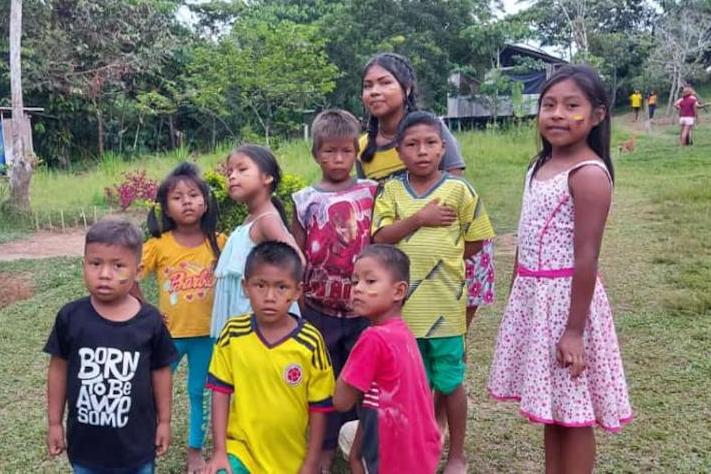
Capital city Leticia is a well-known destination in the Amazon. Less known is that as a traveler you can also be part of life in an Indian community. A stay at a Native American community guarantees a special experience, where you will learn about the rituals and about the community’s special bond with nature. There are more than 60 indigenous tribes in the Amazon, with the Tikuna being the most important group. Among them, you can stay overnight in the Indian community of Mocagua, a 1h boat ride from Leticia, Santa Sofia at 1h, Macedonia at 1.5h and San Martin de Amacayacu at 2.5h by boat from Leticia. Leticia can be reached by direct flight from Bogotá.

#4 La Guajira

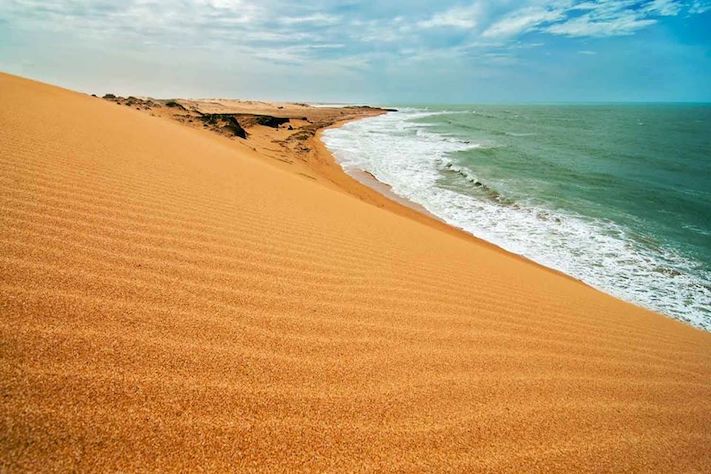
La Guajira is the northernmost region of Colombia, on the Caribbean coast: 175 km from Santa Marta and 92 km from Palomino. It’s a sparsely populated, isolated and extremely dry area, with desert landschapes, isolated beaches and high sand dunes. It is a poor area, that is located off the beaten track. This is the habitat of the Wayuu indigenous community, the largest group of indigenous in Colomba, who have lived here hundreds of years. The Wayuu survive by fishing and keeping goats. Some Wayuu open their houses for tourism, where you can learn about the Wayuu culture. You can stay overnight in a Rancheria, an authentic Wayuu accommodation. By buying authentic Wayuu handicrafts, including beautiful bags, you also support the local community. A trip to La Guajira, is a trip for adventurers, with the limited infrastructure and “basic” amenities. Do you make the trip to Punta Gallinas, you will have gained an impressive cultural experience and be rewarded with beaches that you have largely to yourself.

#5 Isla Malpelo

Ilsa Malpelo is located in the Colombian Pacific, 400 kilometers from the mainland. This is a dream location for divers and one of the best places to dive in the world. Animals you can spot are manta rays, whale sharks (in summer) and nearly 400 species of fish. In addition, Isla Malpelo is “Shark diving capital of the world.” Due to the strong currents, diving on Isla Malpelo is not suitable for beginners. You get there with an organized package trip from Buenaventura or Cali, sleeping on the boat.

#6 San José del Guaviare

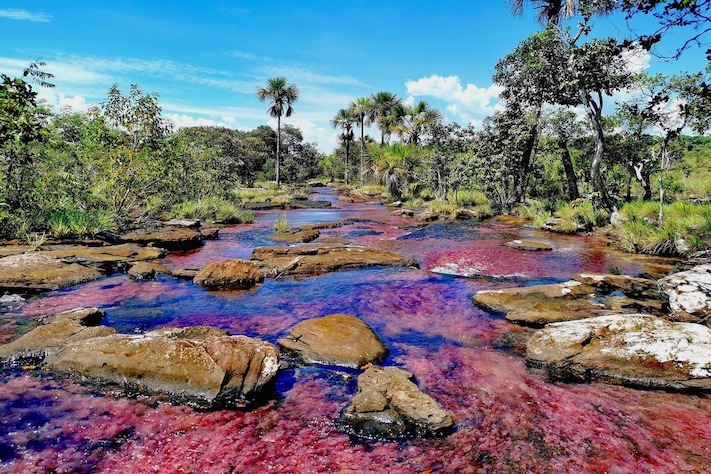
San José del Guaviare is located in the region Guaviare, on a transitional area between the Llanos Orientales and the Amazon. This results in unique flora and fauna. Travelers there can hike to recently discovered Indian drawings and spectacular rock formations, spot wildlife and take boat trips on the mirror-smooth rivers. San José del Guaviare also has its own pink river at Tranquilandia, which is a lot less well-known than Colombia’s most famous pink river: Caño Cristales. For a long time, San José del Guaviare was a “no go” destination because of the drug conflict, but after the peace agreement, tourism has slowly taken off and now the city of San José del Guaviare and its natural attractions, can be visited with a tour operator. These tour operators are working with local Native American communities and families formerly employed in the coca industry and now telling their stories to travelers.  Because tourism hasn’t started till recently, you will be one of the few tourists! Moreover, a trip to San José del Guaviare, is one that will inspire you and give you insight into the history of the country and its inhabitants, who prefer to look forward, rather than back. San José del Guaviare is just over an hour’s flight from Bogotá.


#7 Tierradentro

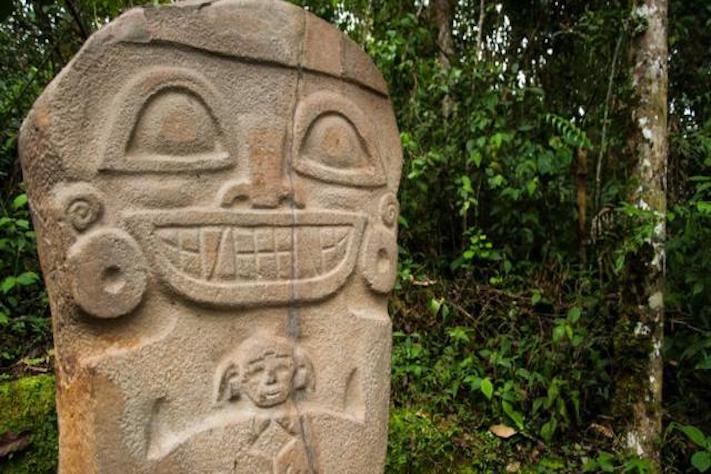
Tierradentro is an archaeological site of nearly 20,000 square meters in the department of Cauca, with statues and tombs from the pre-Columbian civilization lying on top of the hills. You can also visit tombs there, some of which are up to 8 meters deep. Tierradentro is on the Unesco World Heritage List. The easiest way to get there is via Popayán. Not as populair as sites such as the Lost City (Ciudad Perdida) on the Caribbean Coast, it is a destination often skipped while traveling in Colombia. The archaeological site San Agustín is easier to reach during a tour of southern Colombia and is therefore often preferred.


#8 Coffee Region

Atmospheric villages abound in the Eje Cafetero/Zona Cafetera, Colombia’s famous coffee triangle. Every traveler going to the Coffee region, has probably heard of Salento -and in lesser extent-  Filandia-, but there are many other (and much quieter!) coffee villages, such as Pijao, Buenavista, Apia, Marsella, Salamina and Aguadas.In Salamina you can visit the Valle de la Samaria, the “alternative “(and much less crowded) Valle de Cocora, an hour’s drive from Salamina.


#9 Jericó

Many travelers visit while staying in Medellín, the well-known villages Jardín and Guatapé. Het traditionele dorp Jericó is a lot less well known. Except among Colombian tourists and lovers of churches, because there are no less than 17 of them! Jericó is about a 3-hour drive from Medellin.You can visit coffee plantations, hike and horseback ride, among other things. Otherwise, you can mostly relax and enjoy the atmosphere of the colorful village, grab a cup of coffee in one of the nice tents and try the local cuisine in one of the good restaurants. Especially on weekends, the square is a pleasant place to be, where more visitors can be found who come there for a cup of coffee or cerveza, or simply for a chat. Other lesser-known villages near Medellin are Tamesis (3h) and Venezia (2h).


#10 The island of Providencia

Providencia is a Caribbean island located some 800 km north of Colombia and 150 km east of Nicaragua. Where neighboring island San Andrés is a popular vacation island among Colombian tourists, Providencia is a lot quieter. The island is mostly visited by travelers who come to dive, snorkel and relax at one of its beautiful beaches. The sea around Providencia is called the “Mar de los 7 colores,” because of the colors in all variations, from aqua to green. The coral reefs around Providencia are part of the 3 e longest coral reef in the world, part of which belongs to the Old Providence McBean Lagoon National Natural Park. Turtles, sharks and rays, among others, are found here. With a past as English colonies, Providencia and San Andrés are an “odd duck” in Colombia. The English influence is still evident: the names of villages and beaches are given in English and Creole English is spoken alongside Spanish. Many locals feel more Caribbean than Colombian and there are many Rastafaris on the island.


Continue reading here for more destinations in Colombia and the best hotels in Colombia. Need more inspiration for what to do do? Check here more articles with information about the best things to do in Colombia, travel routes and travel stories.