Best hotels for your trip to the coffee region

Best hotels for your trip to the coffee region

Home 9 Author archive for J ( Page 20 )

Where to spend the night?

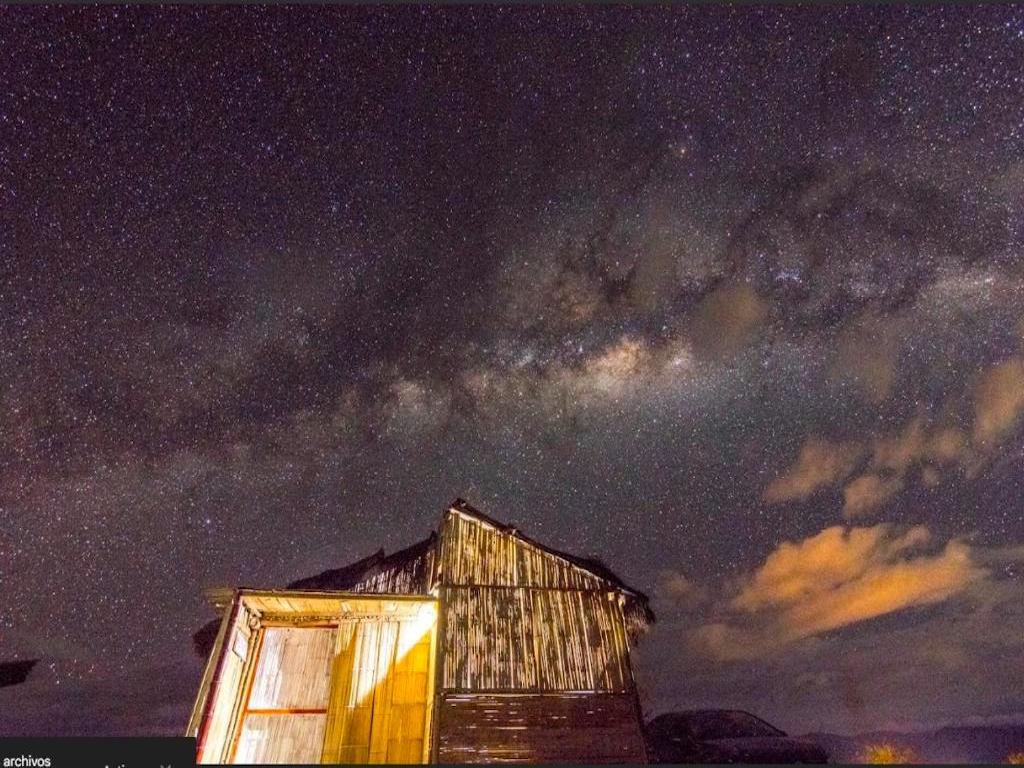
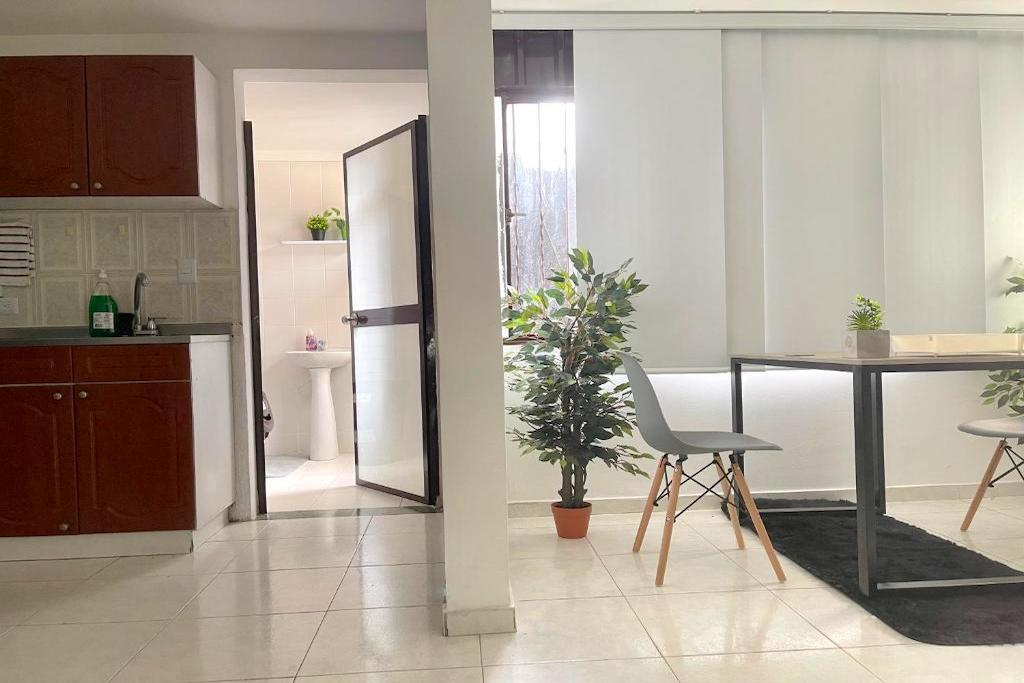
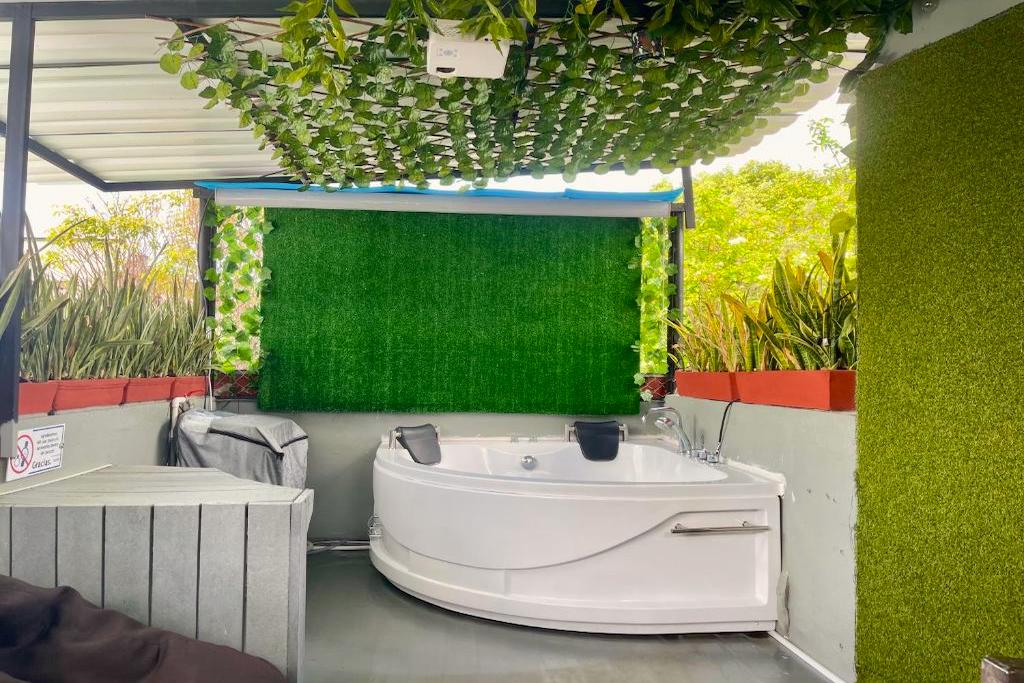
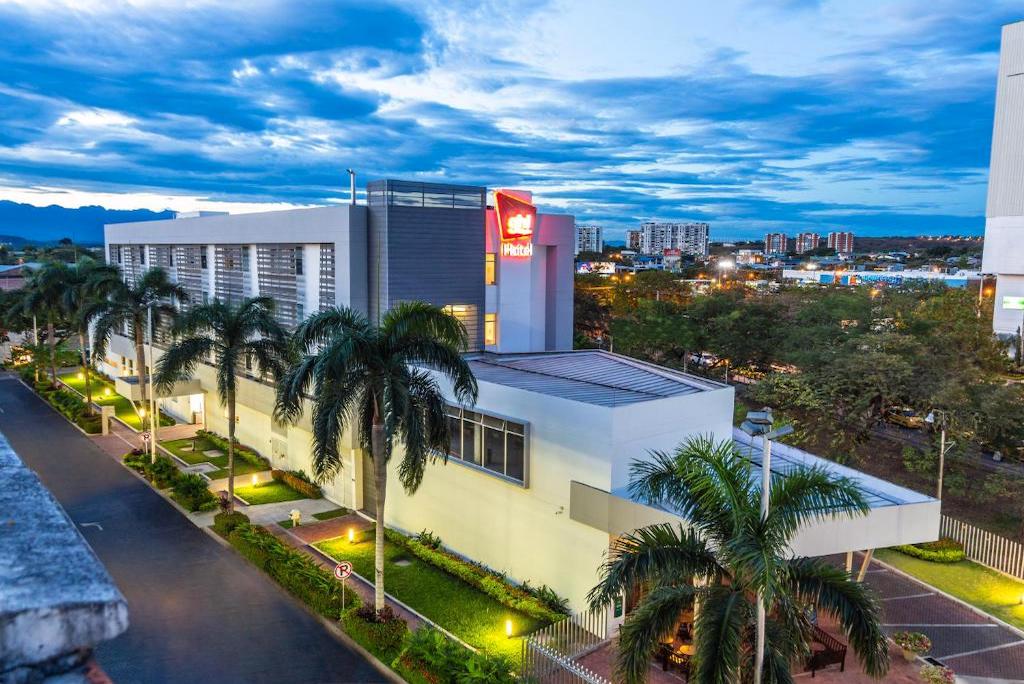
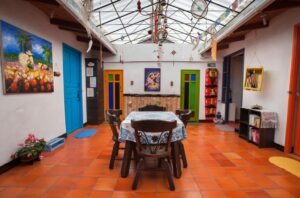
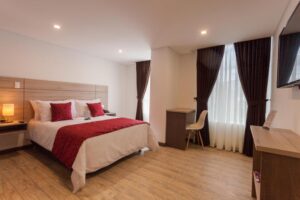
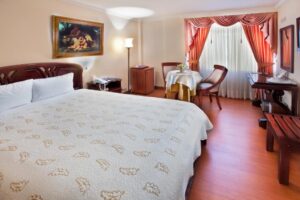
The best hotels in the coffee region can be found here. Whether you’re looking for a tree house hostel or finca in Salento, Filandia or Armenia; a spa hotel near Termales Santa Rosa de Cabal; a luxury lodge in the middle of nature in Pereira or a coffee hacienda in Manizales. Keep on reading for our tips for the best hotels in the coffee region for every budget.

$ price range up to $35

$$ price range $35 – $60

$$$ price range above $60

Armenia

$$$

Salento

Find a hotel on the map

Transportation in the Colombian coffee triangle

Home 9 Author archive for J ( Page 20 )

How to get there

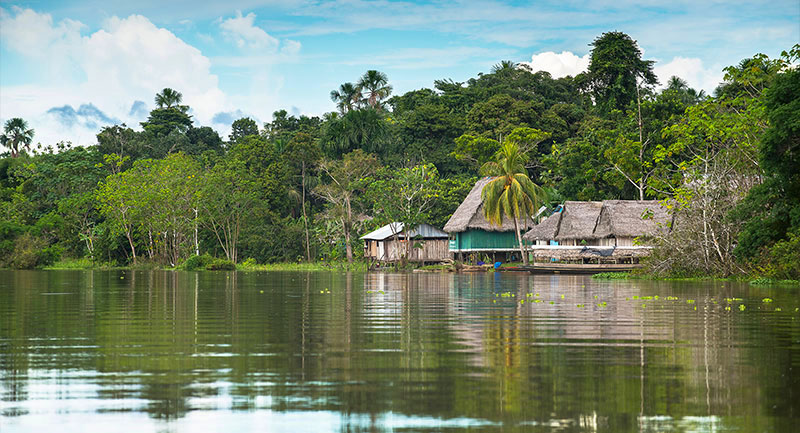
How to get to the Colombian coffee triangle? Transportation to and in the coffee triangle is well organized. The major cities are easily accessible by plane and the smaller cities such as Salento and Filandia and villages such as Pijao and Buenavista are easily accessible by bus. The public transportation network is extensive, with several buses daily. Air travel is the most comfortable way to travel from Bogotá to the Coffee Triangle. Tickets are relatively cheap and you avoid the winding roads through the mountains. Also check here for different modes of transportation once you are in the coffee region.

(updated November 2024)


By plane

Airports

  • Pereira (Risaralda) : Matecaña airport (PEI)
  • Armenia (Quindío) : El Eden airport (AXM)
  • Manizales (Caldas): La Nubia airport (MZL).

Flights

  • Bogotá – Pereira (55 min), including Latam, Easyfly and Avianca
  • Bogotá – Armenia (1h), including Latam, Easyfly, Avianca and low cost airline Wingo
  • Bogotá – Manizales (1h), including Easyfly, Avianca.
  • Medellín – Armenia (50 min) o.a. Avianca
  • Cartagena – Pereira (1.25h), including Avianca

#ColombiaMyWay tips

From Armenia, Pereira and Manizales you can travel further to Salento and the other villages in the coffee region. Check the links below for more information:

How to get to Salento?
How to get to Filandia?

    By bus / car

    Bus

    • Shortest route: Cali – Pereira – COP 56,000/€15 (3.30h)
    • Popular route: Medellín – Manizales -COP 70,000/€19 (5-6h)
    • Longer route Bogotá – Armenia COP 75,000/19€ (9h).

    Car
    Driving yourself to the Coffee Triangle is of course also possible, only the road through the mountains from Bogotá is a challenge, especially if you have no experience with traffic in Colombia. In the Coffee Triangle itself, the roads are generally good. Alternative to driving yourself to the Coffee Triangle is to rent a car at your destination.


    Transportation in the Coffee region

    Once you arrive in the Coffee Triangle, there are several (fun) options for getting around. The Coffee Triangle is not a mega large area, yet you are often on the road longer than you think in advance when you look on Google Maps. Because of the many mountainous roads, you won’t get from A to B very quickly.

    Bus, Willy Jeep, Chiva

    Bus

    Buses run very frequently in the coffee triangle and are an inexpensive way to get to your destination. Depending on traffic, you can get to most places in the coffee triangle in 1-2 hours.
    Average travel time/price:

    • Pereira-Salento 1h. COP 8,800/€2.40
    • Armenia-Salento: 45 min. COP 5,300/€1.45
    • Manizales-Pereira: 1¼ h COP 15000/€4
    • Manizales-Armenia: 2 ¼ h COP25000/€6.75
    • Pereira-Armenia: 1 h COP9000/€2.45
    • Pereira-St.Rosa de Cabal: 45 min.COP3000/€0.85

    Willy Jeep

    You can’t avoid it; the Willy Jeep, the main means of transportation in the coffee triangle. The Willy Jeep is a popular way to get to the Valle de Cocora, among other places. Price Indication

    • Salento-Valle de Cocora: 8000COP return
    • Salento-Filandia: 5500COP, you pay for Filandia 2x one-way ticket
    • The jeeps go about every hour and only leave when they are full!
    • Prices may vary with the season

    Chiva

    Chivas are often used as a means of transportation in the more remote areas. The buses are easy to recognize; colorful and painted in cheerful colors, especially yellow, blue and red. Each Chiva is a work of art in itself.

    Partybus At night, some Chivas are transformed into “Partybus” and you can take a ride on them, with music on board, lots of ambiente and Aguardiente!

    Rental car, Uber, taxi, private transfer

    Uber
    Uber is available in the larger cities like Pereira, Armenia and Manizales. If you want a taxi serice in smaller cities like Salento, you can take a taxi (or the popular Willy jeep) from the central Plaza.

    Taxi’s
    For short trips around town and to and from the airport, taxi’s (or Ubers and other Apps) are a great option. For longer trips, a car with a private driver is more common.

    If you travel off the beaten track in the Coffee Triangle, public transportation is sometimes limited. A rental car, private transport or taxi is then often the only way to get to your destination.

    Car rental
    The roads are generally good. There are special coffee car routes, which you can download into Google maps via the website Rutas del Paisaje.  If you drive a lot on unpaved roads, a higher car is recommended.

    Private transfer
    Don’t feel like driving yourself or taking the bus? Then private transportation is an option for longer trips. This can often be arranged through your hotel. The drivers are usually excellent guides, adding a personal touch to the trip. Also, if you want to take a moment to withdraw money, have a cup of coffee or run an errand, this is usually no problem. If you can share the cost with a travel partner, then private transportation is affordable. If you travel alone, the costs can add up quite a bit. Prices are around 150,000 COP (37.50€) for a 1.5h ride and around 250,000 COP (62.50€) for a 2.5h ride.

    Museo del Carnaval de Barranquilla

    Home 9 Author archive for J ( Page 20 )

    The Carnival Museum in Barranquilla

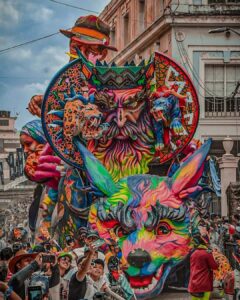
    If you want to know everything about Barranquilla‘s carnival, its traditions and costumes, a visit to the Carnival Museum should not be missed during a trip to Barranquilla.

    Barranquilla’s carnival is Colombia’s largest cultural and folkloric festival and has been designated a cultural heritage site. To preserve the atmosphere of the carnival 365 days a year, the Museo del Carnaval de Barranquilla was built in 2019. The carnival museum is located in the traditional neighborhood of Barrio Abajo (near El Prado), in the heart of Barranquilla.

    The Carnival Museum is modern and interactive and consists of 4 different exhibits. There is a certain route to follow and it starts in the Sala Carnavales del Mundo.

    Here you will take a journey through carnival celebrations in 16 different countries and find information about the rituals of Barranquilla’s carnival.

    In this hall you can see masks, musical instruments and other attributes of the carnival.

    After this, walk to the Sala de las Reinas, on the second floor.

    On display here are the beautiful dresses of some 40 carnival queens crowned between 1918 and 2019.

    The Sala Expresiones del Carnaval de Barranquilla is all about the expressions of carnival in music, dance and costumes.

    A video is played of the carnival parade, where, as a visitor, you feel as if you have entered the audience.

    Videos of authentic dances, such as the  Mapalé , and a traditional Quillero (old-fashioned record player) are on display.

    One of the typical costumes of the carnival in Barranquilla, is the Marimonda.

    This expression is very well known in Barranquilla: “ It’s not so much about the Marimonda costume, but the jumps you have to make” .

    Marimonda is a popular name on the Caribbean coast for a monkey, jumping is part of the deal when you wear the Marimonda costume!

    According to the legend, a man from Barranquilla did not have enough money to buy his costume, so he got the idea of wearing a jacket with a tie and an old pair of pants that he wore backwards. Part of the costume was a mask that he made from a bag with 3 holes. This the origin of the Marimonda costume! The mask has a long nose and the “pea pea,” a whistle with a funny sound.


    Finally, you will enter the Sala Batalla de Flores, with photographs and objects from the main parade of Barranquilla’s carnival, the batalla de flores.


    During this parade with colorful floats and-not to mention-the queen of the carnival, there is lots of live music and folk dancing.

    ColombiaMyWay information and tips

    Entrance fee
    Adults: 14,000 COP
    Children (under 12): 8,000 COP
    Seniors (60+): 8,000 COP

    Opening hours
    The museum operates with hourly entry slots, accommodating up to 50 visitors per hour. You can enter on the hour, from 9:00 am to 4:00 pm. The museum is strict about this and you will not be admitted at a quarter past the hour: you will have to wait until the next hour. The museum is closed on Mondays.

    Location
    The Museo del Carnaval is located in the Barrio Abajo district at Carrera 54 #49B-39, Barranquilla. Click on the link for the location in Google Maps

    Tip #1:
    Combine your visit to the Carnival Museum with a visit to the El Prado district
    While you’re there, you can visit the iconic  hotel El Prado. If you want to learn more about the history and architecture of El Prado, you can join a guided tour of El Prado. Also interesting is a tour in the Barrio Abajo neighborhood. This neighborhood has recently been declared a cultural heritage and the district is being revitalized. It is a traditional neighborhood with colorful houses and murals. It is more fun (and safer) to visit this neighborhood with a local or with a guide. If you go with a guide, you can immediately meet artists and performers of Barranquilla’s carnival.

    Tip #2
    Have lunch at Pescayé
    Pescayé is an authentic seafood restaurant, with establishments in el Prado and Barrio Abajo. (Cra 59 # 70-13 esquina, barrio del Prado / Cra 52 # 46-49 esquina, Barrio Abajo.)

    Tip #3
    Book a
    highlights of Barranquilla tour, which includes the carnival museum. This can be a good option if you have very limited time in Barranquilla.


    Check out our travel guide Barranquilla for more information and tips on fun things to do, transportation and more. Click on the links for more information about our roundtrip along the north coast of Colombia, with information about Minca and Santa Marta.


    ColombiaMyWay

    Hotel El Prado-Barranquilla

    Hotel El Prado-Barranquilla

    Home 9 Author archive for J ( Page 20 )

    Hotel El Prado- Barranquilla

    Hotel El Prado in Barranquilla is a historic hotel in a beautiful colonial building located on spacious, fenced-off grounds on Carrera 54 in the El Prado neighborhood. The highlight is the large semi-Olympic swimming pool. Hotel El Prado is one of Barranquilla’s most famous hotels and is well known among locals. Because of its romantic atmosphere, it often hosts events such as weddings.


    Hotel El Prado is part of Colombia’s national heritage. The hotel opened in 1930, during Barranquilla’s glory days, when the city became a very important international trade center and was called the “Golden Gate” of Colombia. 

    We visited hotel El Prado in september 2023, as we wanted to taste a bit of the atmosphere of those days long ago. We walked through the gardens and had drinks and dinner at the pool bar. Besides the pool bar, there is a pizzeria and restaurant la Cabaña, for traditional Colombian food.

    We didn’t stay overnight, but we we will certainly consider this for our next trip to Barranquilla. The hotel offers accommodation in neoclassical rooms, that look very comfortable and the hotel and its gardens seem like a very relaxing place to spend a few nights.

    The idea to build a luxury hotel for the flourishing Barranquilla, came from American Karl Parrish, who also initiated the construction of the el Prado neighborhood, where the hotel is located. At the time, Hotel El Prado was Latin America’s first luxury hotel with private rooms with private bathrooms and telephones. Numerous celebrities stayed at the hotel such as Greta Garbo, Celia Cruz and star soccer player Pele.

    The hotel has a troubled history, as in the 1980s and 1990s the hotel was claimed by drug lords who turned it into an operations center and used it for money laundering. As a result, regular guests stayed away. After the government seized the hotel because of skyrocketing debts, the hotel was neglected for years.

    In 2016, an agreement was signed with the Marriot hotel chain to operate the hotel. The injection of capital from this partnership gave the hotel a new chance to flourish. Renovation work started and now Hotel El Prado is once again the elegant, iconic hotel of the 1930s.

    #ColombiaMyWay tips 
    (updated july 2025)

    Tip #1
    Check this link for more information and the different room options. Find more hotels in the neighborhood here El Prado.

    Tip #2
    A day pass (pasadía) can be purchased for COP180.00/$45 for adults. This includes use of the pool, a welcome cocktail and lunch with dessert. Children pay COP150,000/$37.50.

    Tip #3
    There is happy hour on Thursdays (Sunset Pool Bar) and live music on Fridays.

    Tip #4
    If you want to learn more about the history and architecture of the El Prado district, you can take a tour of El Prado book a guided tour.

    Tip #5
    Check out our Barranquilla travel guide
    for more information and tips on fun things to do, transportation and Barranquilla’s best restaurants.

    Tip #6
    Check out more information about the roundtrip along the north coast of Colombia, with information on Minca and Santa Marta.


    ColombiaMyWay tips

    We do not accept direct payments from hotels or destinations for our reviews. We pay for our own stay and every recommendation is based solely on our own experiences and honest opinions. However, some of our links are affiliate links, which means we earn a small commission if you book through them. This commission comes at no extra cost to you and helps us maintain our website.

    Jeanette and Shelly

    Writers and Travelers, Colombia My Way

    Bocas de Ceniza-Barranquilla

    Bocas de Ceniza-Barranquilla

    Home 9 Author archive for J ( Page 20 )

    Bocas de Ceniza-where the river meets the sea

    Bocas de Ceniza is a fun -off the beaten track- trip, just outside Barranquilla. To get there, take a taxi + mototaxi and hike to the point where you can see the “meeting point” of the Magdalena River and the Caribbean Sea. Here you can find information and tips for a trip to Bocas de Ceniza here.

    Bocas de Ceniza gets its name from its ash-colored waters, at the point where the river meets the sea. Bocas de Ceniza was discovered in 1501, and in 1842 the first steamships crossed the river from the sea. Partly due to the construction of a railroad between Puerto Colombia and Barranquilla, Bocas de Ceniza became an important international trade destination.

    The expression “it’s not about the final destination but the journey to it,” certainly applies to a trip to Bocas de Ceniza. For our trip, we first caught a cab to the neighborhood of Las Flores. After this, we took a motorcycle for a bumpy ride along the old railroad line to the point where the motorcycle could go no further. During the ride, we enjoyed the scenery, the birds and the skyline of Barranquilla.

    From here it was about a 50-minute walk to the lookout point. We passed huts of friendly fishermen repairing their nets, or preparing a meal on the fire.

    The last stretch was mostly scrambling over rocks, driftwood and washed-up debris.

    A fisherman who was fishing at the very tip helped us climb to the highest rock, the end point of the trail.

    Once we arrived at the viewpoint, we were able to take a break and enjoy the nice breeze. Years ago, you could see the separation between the river and the sea very well (and close). Now we could only see the “meeting point” of river and sea in the distance.

    Although the views were a bit disappointing, we thought it was a very enjoyable trip. We loved being in nature and experiencing Barranquilla off the beaten path.

    It was quite confronting to see the conditions in which the fishermen live and work. While their families live in the city, the fishermen spend their days in primitive shacks without electricity. The mototaxi driver told me that the mototaxis play an important role for the fishermen in Bocas de Ceniza. The mototaxis ensure that bags of ice and other supplies are brought to the fishermen.

    After the trip, we enjoyed a cold coke at the restaurant and man did we need that after the hike in the heat!

    #ColombiaMyWay tips

    Tip #1
    Hire a taxi
    For the trip to Bocas de Ceniza, we recommend hiring a taxi and ask the driver to wait for you. It can otherwise be difficult to get a taxi back from Bocas de Ceniza to your hotel in Barranquilla. We had a driver who was arranged by the family we were taking the trip with. He made several trips with us that day and we paid COP100,000/$25 for that.

    Tip #2
    Take a mototaxi

    The train that normally travels the trail to Bocas de Ceniza is under maintenance. (July 2025) You can walk the trail along the railroad, or take a mototaxi to the end of the railroad. The trip by mototaxi costs COP25,000 per person. The driver waits for you until you finish. Given the heat, we found it worth the money to hire the mototaxi.

    Tip #3
    Is Bocas de ceniza safe?
    We felt very safe during the trip. The fishermen we met were all very friendly and so were the drivers of the mototaxi. We felt that the drivers also felt responsible for us. I have to add that we made the trip with my travel companion’s (local) family. We got there early on a Tuesday morning and otherwise saw no other tourists on the trail. If I were to make this trip alone or as a couple, I would prefer to go on weekends when it is busier.

    Tip #4
    What to bring?

    Bring plenty of water, sunscreen and a hat because it is very hot on the trail. Because you have to walk over rocks in parts, good hiking shoes are absolutely necessary.

    Tip #5
    Combine the trip with the Ecoparque Ciénaga de Mallorquín

    This is a mangrove park that is located just around the corner. Admission is currently free (July 2025)

    Opening hours of the Ecoparque Ciénaga de Mallorquín:

    • Tuesday to Sunday: Open from 6:00 a.m. to 6:00 p.m., with the last entry permitted at 5:00 p.m.

    • Monday: Closed. If Monday is a public holiday, the park remains open that day and closes on the following Tuesday instead. 

    The park has two main entrances:

    • Sendero Estuario: Accessible from Tuesday to Sunday, 6:00 a.m. to 6:00 p.m.

    • Sendero Manglar: Open on weekends (Saturday and Sunday) during the same hours. 

    Even though admission is free of charge, guided tours and ecotourism activities may have associated costs. For more information or to plan your visit, you can visit their official website

    Check our Barranquilla travel guide for tips for more fun things to do. Here you can find more information about our roundrip along the north coast of Colombia, with information on Minca, Tayrona National Park and Santa Marta.

    ColombiaMyWay