
No Results Found
The page you requested could not be found. Try refining your search, or use the navigation above to locate the post.
The famous coffee region of Colombia, also called the Coffee Triangle, Zona Cafetera or Eje Cafetero, consists of the departments: Quindío, Caldas, Risaralda, Tolima and northern Valle de Cauca. The 3 best known departments and cities in terms of tourism are Quindío (Armenia), Caldas (Manizales) and Risaralda (Pereira). These regions make up the Coffee Triangle.
Going to the coffee region for the first time and not sure where to start? Then check out the tips below from our travels to this beautiful region.
ColombiaMyWay Tips
Tip#1
Is the main purpose of your trip to the coffee triangle hiking in Valle de Cocora and visiting coffee plantations? Then stay overnight in the towns of Salento or Filandia in the Quindío region.
Tip#2
Do you prefer (still) unknown coffee villages? Then villages like Pijao and Buenavista in Quindío are recommended, or Salamina in Caldas.
Tip #3
Are you traveling with children? Then there are many fun things to do in the town of Montenegro, such as the Parque del Café. Montenegro is not far from El Eden Airport in the Quindío region.
Tip #4
Want to chill in thermal pools, go bird watching or visit the Los Nevados National Park? Then plan your trip to Pereira in the Risaraldas region or Manizales in the Caldas region.
Tip #5
If you are traveling to the coffee triangle from Jardín and/or Medellín, Manizales is the first major city in the coffee triangle. If you are traveling from Bogotá, Armenia is the first major city in the coffee triangle.
To get an idea of what you can do where, we have listed the departments with their airports and highlights.
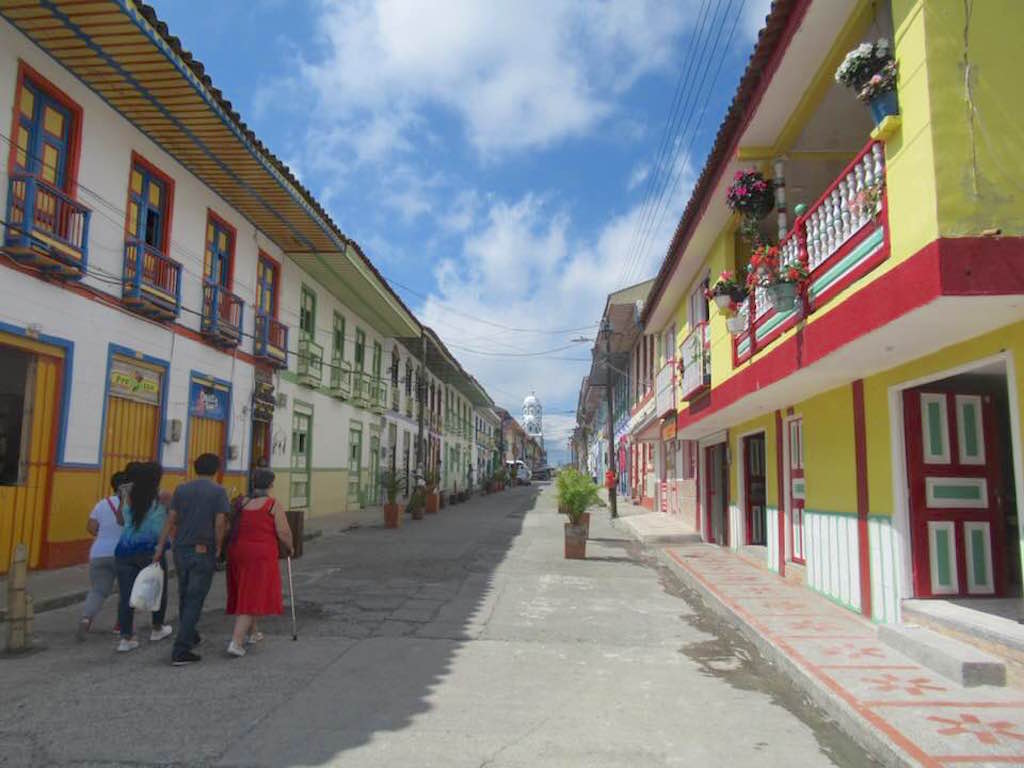
Capital Armenia
El Edén Airport
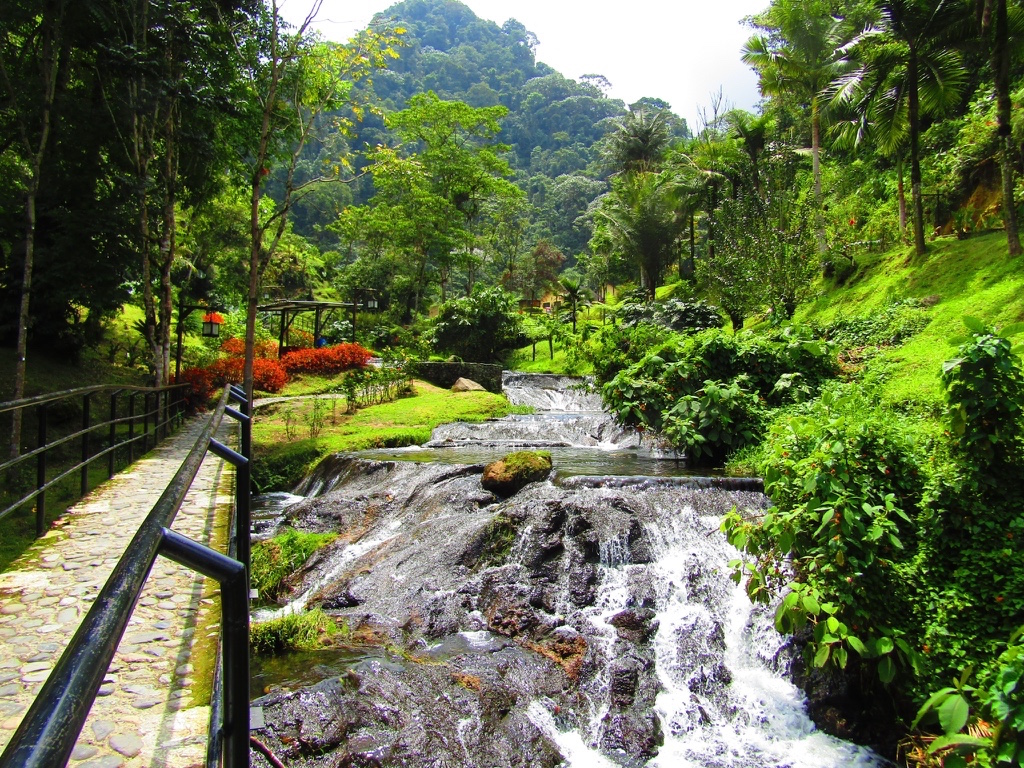
Capital Pereira
Matacaña airport
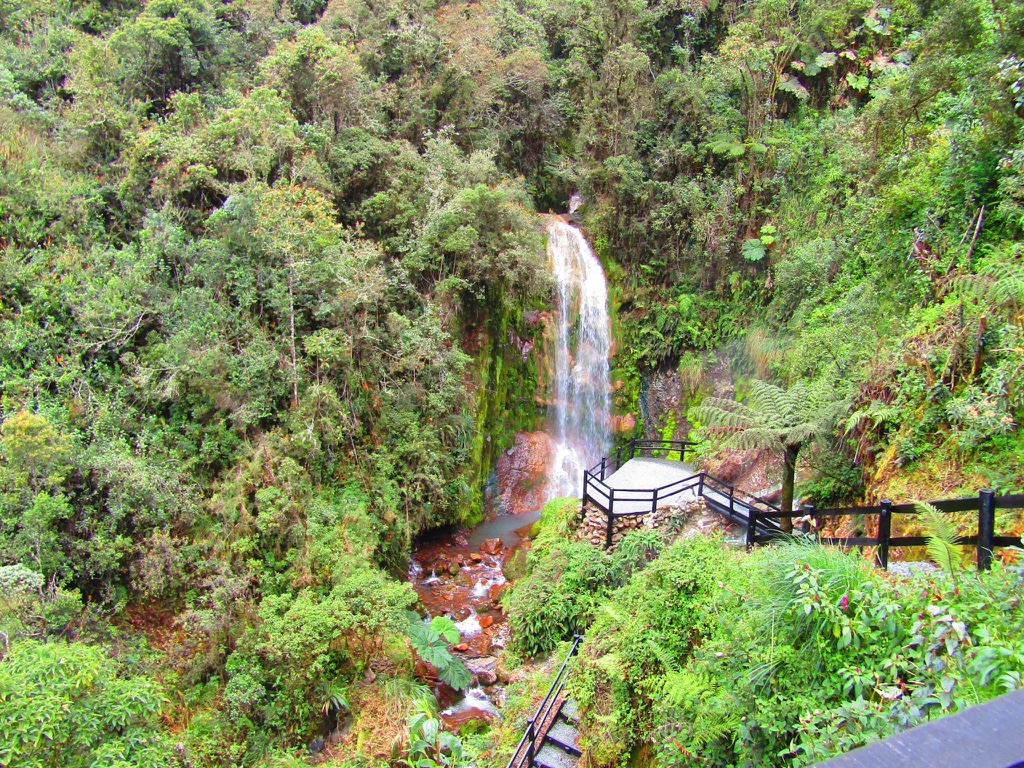
Capital city Manizales
La Nubia airport
Check out our tips for what to do in the coffee region, the best hotels and hostels and more in our complete travel guide about the Colombian coffee region.
Shopping in the coffee region can be done in luxury malls in the bigger cities Pereira, Armenia and Manizales, as well as souvenir shops and stalls along the way. Whether you’re looking for the best coffee beans, handmade souvenirs or local delicacies, the coffee region has it all.
Read on for the best tips for shopping in the coffee region.

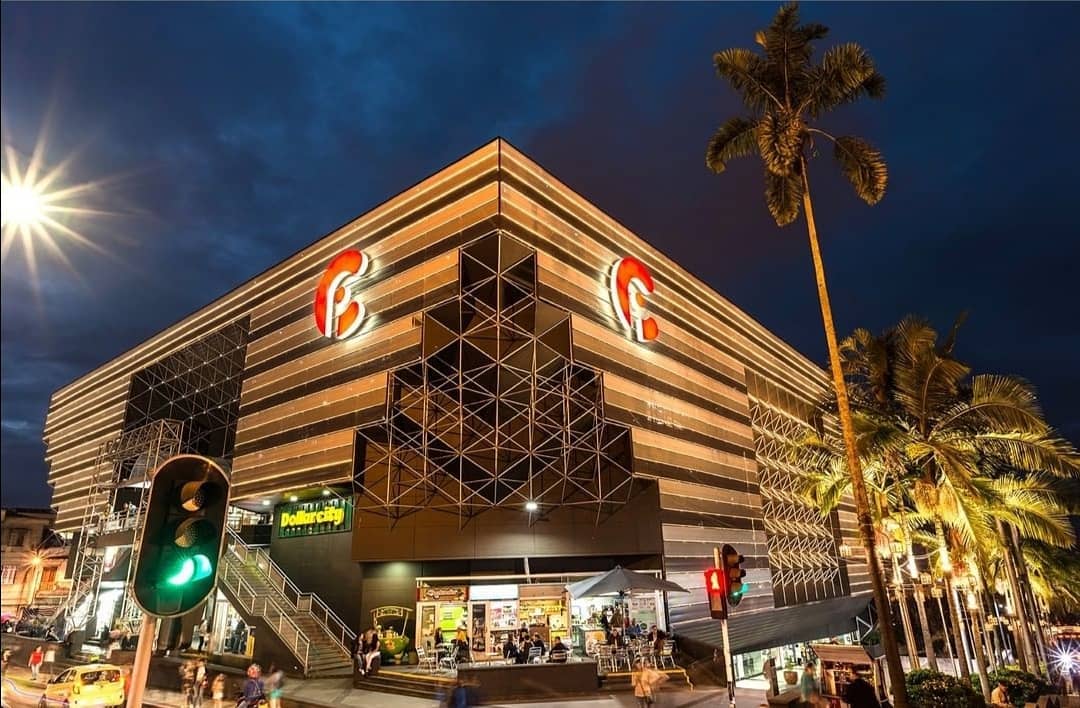
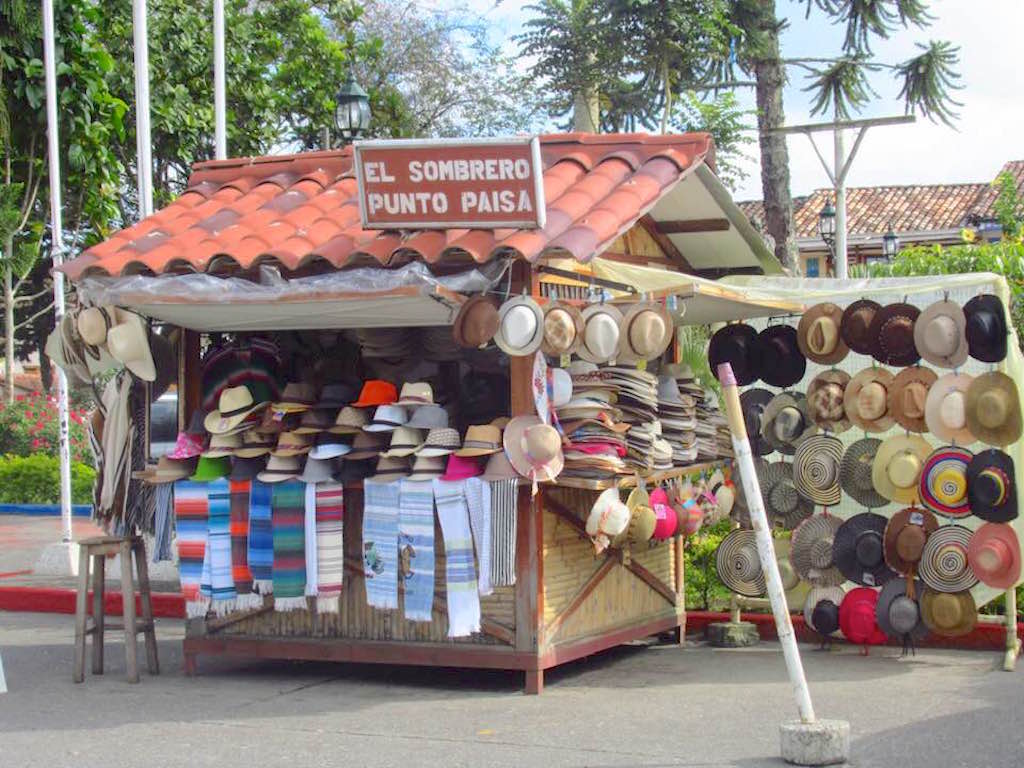
There are many stalls and stores where you can score a nice souvenir, such as a nice hat or bag.
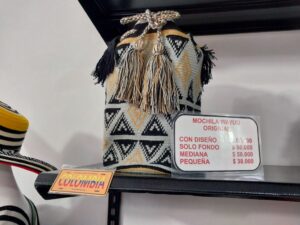
Tip from a local when buying a bag: check that you are really buying a Colombian bag and not a “made in China” bag. Bags made in Colombia can be identified by the label with the Colombian flag.
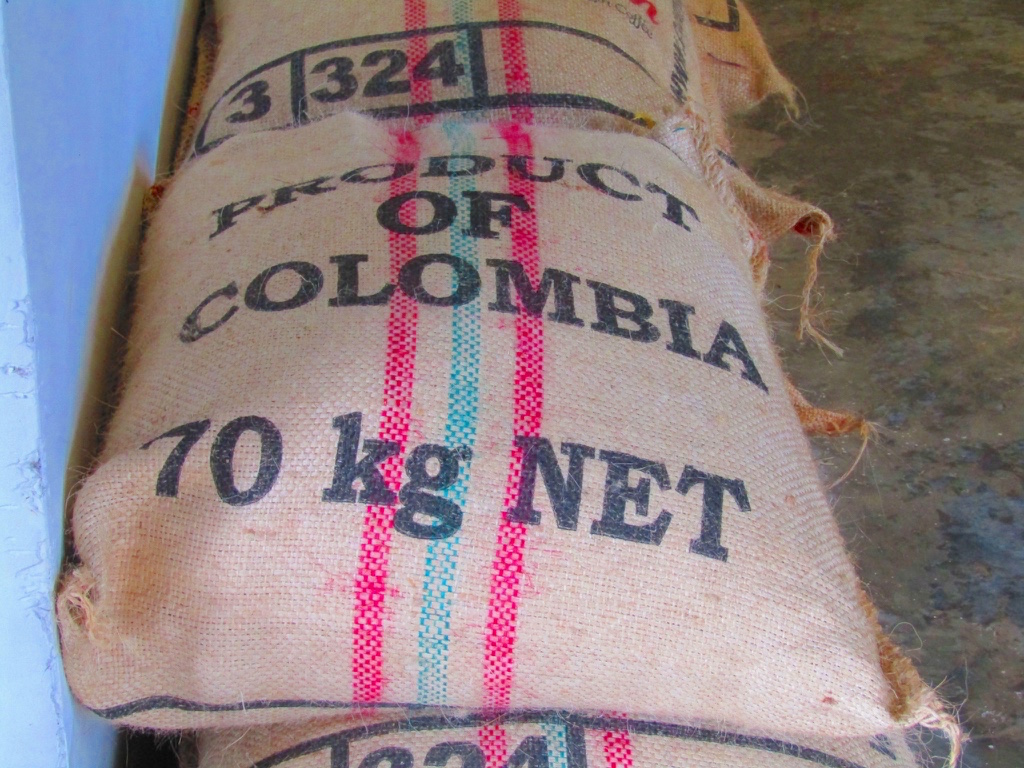
Coffee plantations
You can buy coffee beans on the plantation itself or in supermarkets and souvenir stores. There are also all kinds of coffee-flavored products for sale, such as jams and chocolates. Want to take home an original souvenir? Then buy at the coffee plantation a coffee bag used for exporting coffee beans.
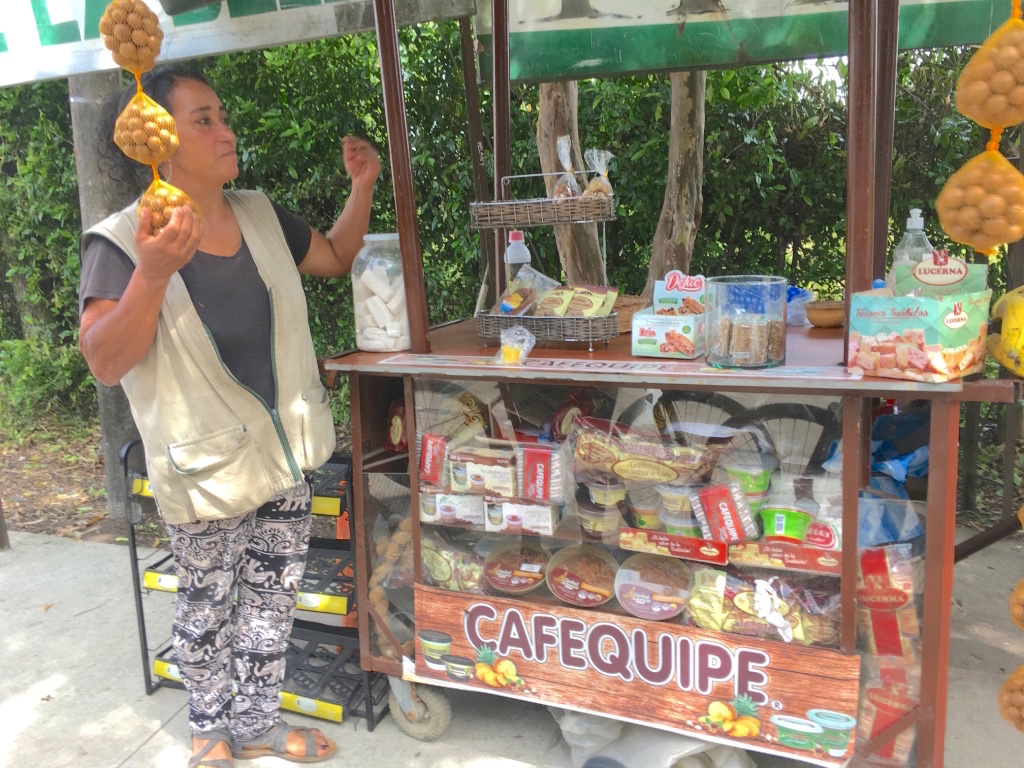
Stalls along the way
You can buy the famous Colombian caramel in many varieties: as candy, with brevas (figs) or coffee-flavored (Cafequipe). Our favorite; macademia nuts topped with arequipe! You can also find plenty of arequipe in stores, such as the larger supermarkets like Exito.
The best restaurants in the coffee region can be found here. You often come across the nicest restaurants quite unexpectedly, and that includes the coffee triangle. For example, we ate the tastiest fresh trout in a simple restaurant high in the mountains of PNN los Nevados. Wondering where that was? Then read on quickly for our tips for the best cafes and restaurants in the coffee triangle.
Want to learn more about food culture and regional specialties? Then check out this article about food in the Colombian coffee region

The entire coffee region
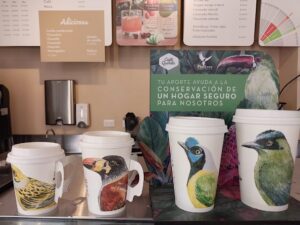
Café Quindío is the “Starbucks of Colombia”. You can find branches in Salento, Filandia and also outside of the coffee region. We always love the taste of the coffee and the goodies they serve and are particularly fond of the design of the coffee cups and bags with colorful birds.

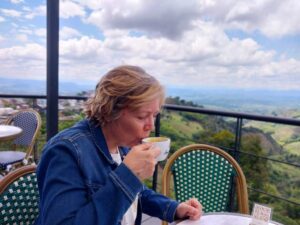
For a cup of coffee on one of the most beautiful terraces in the coffee triangle. Here you will drink an award winning cup of coffee overlooking the coffee plantations and the hilly landscape.
Read the article about Terrazza San Alberto in Buenavista for more info.
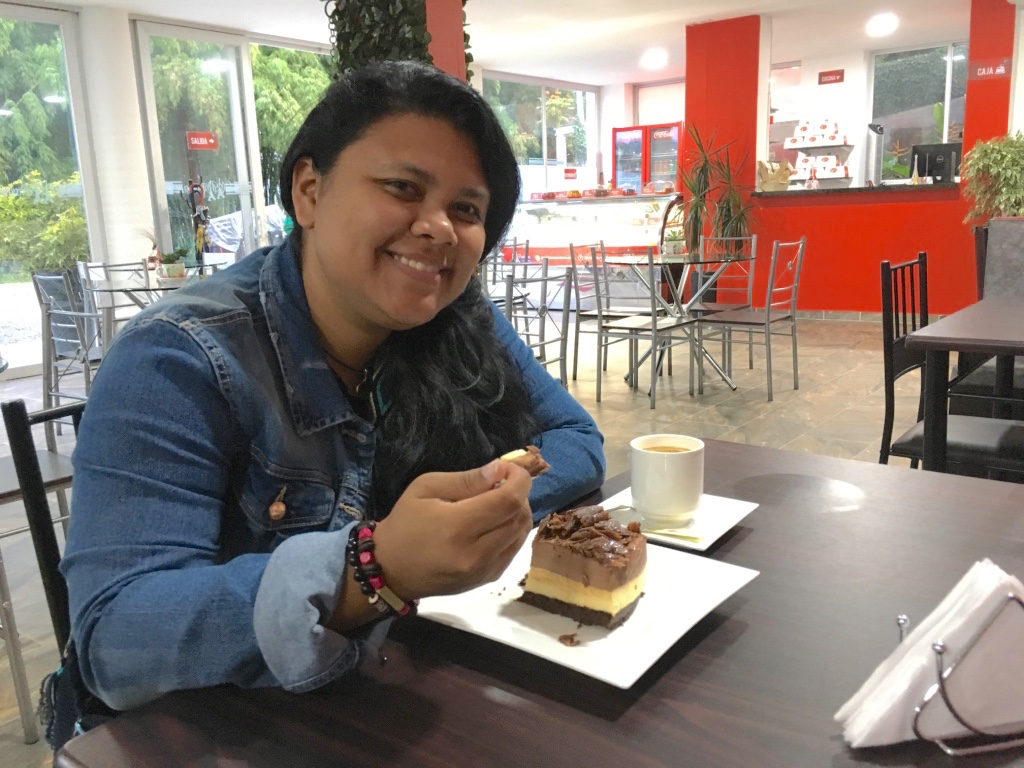
Santa Rosa de Cabal Here it is almost mandatory to order a cake with your latte! It’s hard to choose from the showcase of cakes, such as cheesecake de arequipe and this cheesecake con (mucho) chocolate. Yummie! Update 2022: Café el Parisino’s new location is in hacienda Santa Clara, Via Termales de Santa Rosa km 1.
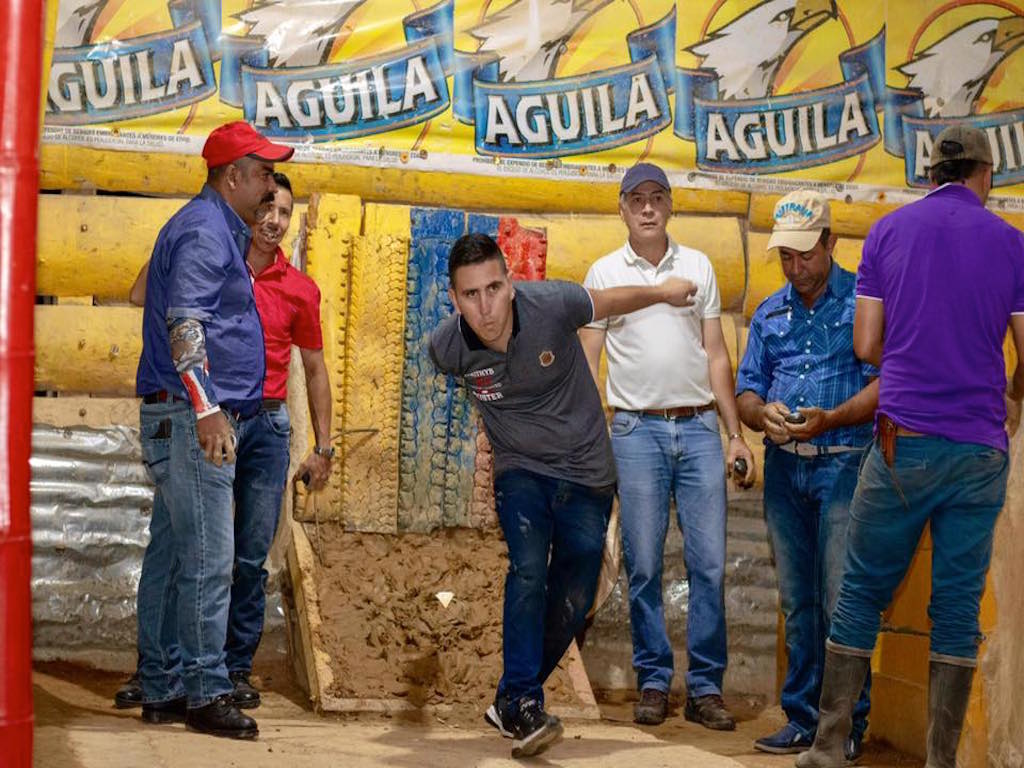
Salento
The place to be in Salento for a beer and a game of Tejo with the locals. Tejo is one of Colombia’s oldest, traditional games. Los Amigos is a 5-minute walk from the main square.
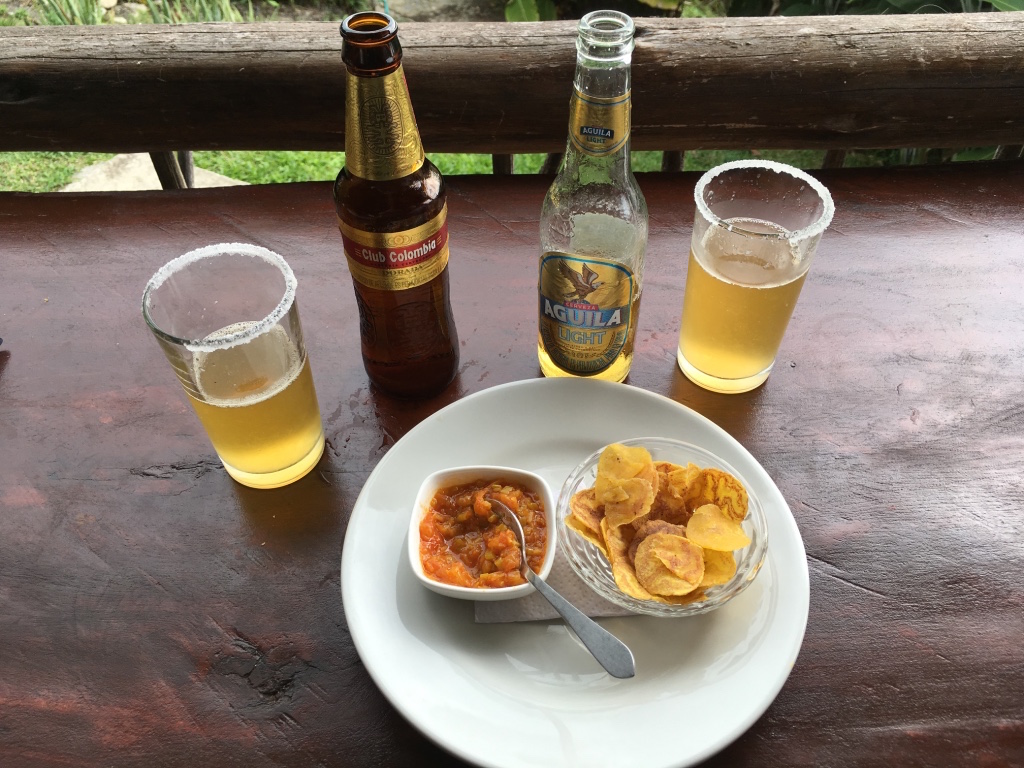
Calarcá
The terrace overlooking the coffee plantation of Hacienda Combia is a wonderful place for a cup of coffee or a late afternoon drink and snack. Try the crispy banana chips with “hogao,” a hot sauce of tomatoes and onion. Next to it a Michelada; a blond beer with lime juice and salt.
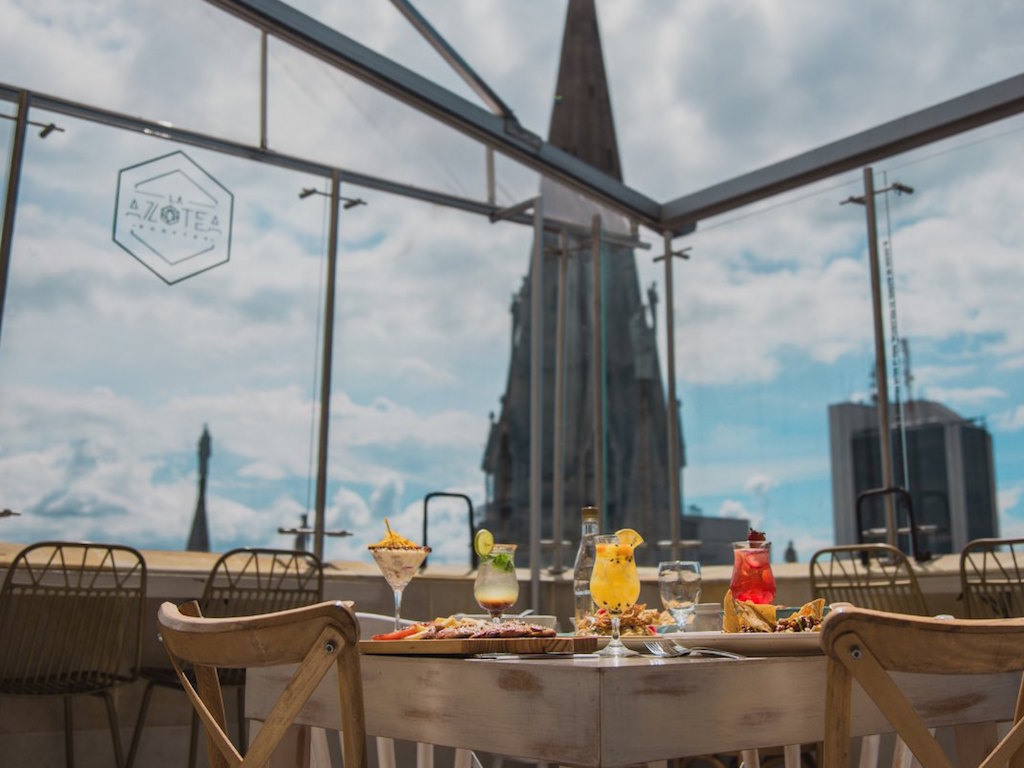
Manizales
An international restaurant with cocktail bar on the 15th floor of the BCH building on the Plaza de Bolívar. Here you can enjoy the view of the city with a cocktail in your hand.

Armenia
This restaurant is located on the road between Armenia and Pereira, 10km from Armenia. A convenient stop, then, if you are on your way in the coffee triangle. Here you will eat typical Colombian dishes, such as the Bandeja Paisa, while enjoying the view.
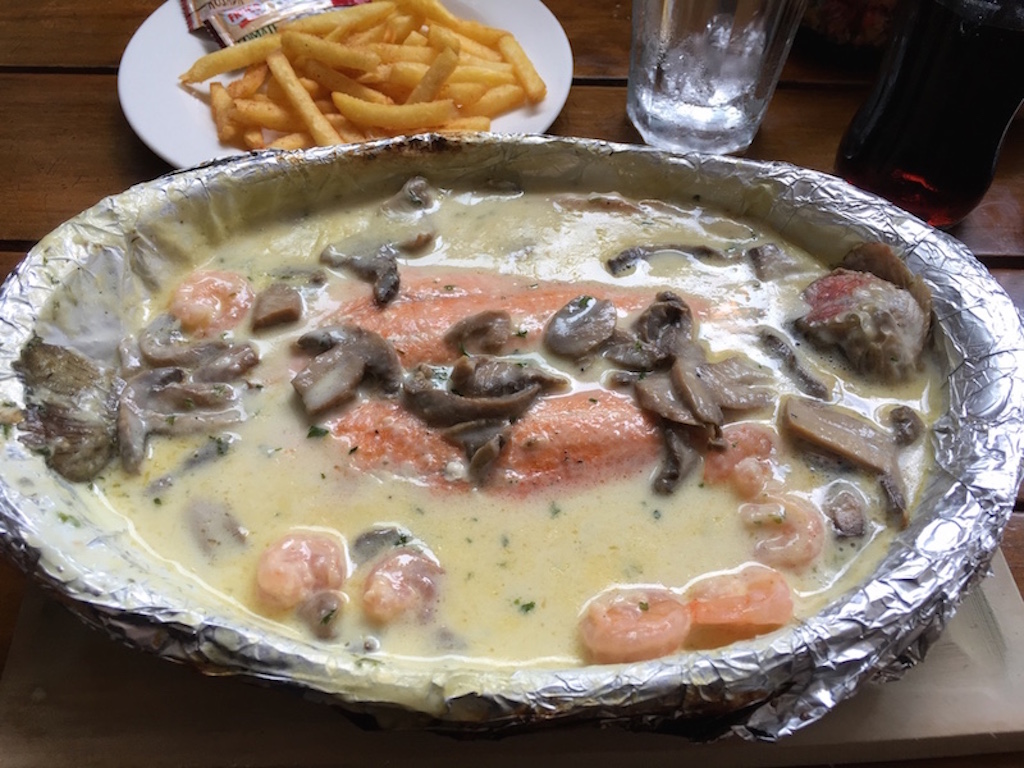
Salento
Here you can choose from various preparations of trucha (trout), such as this dish of braised trout, which is baked with mushrooms and cheese in the oven.
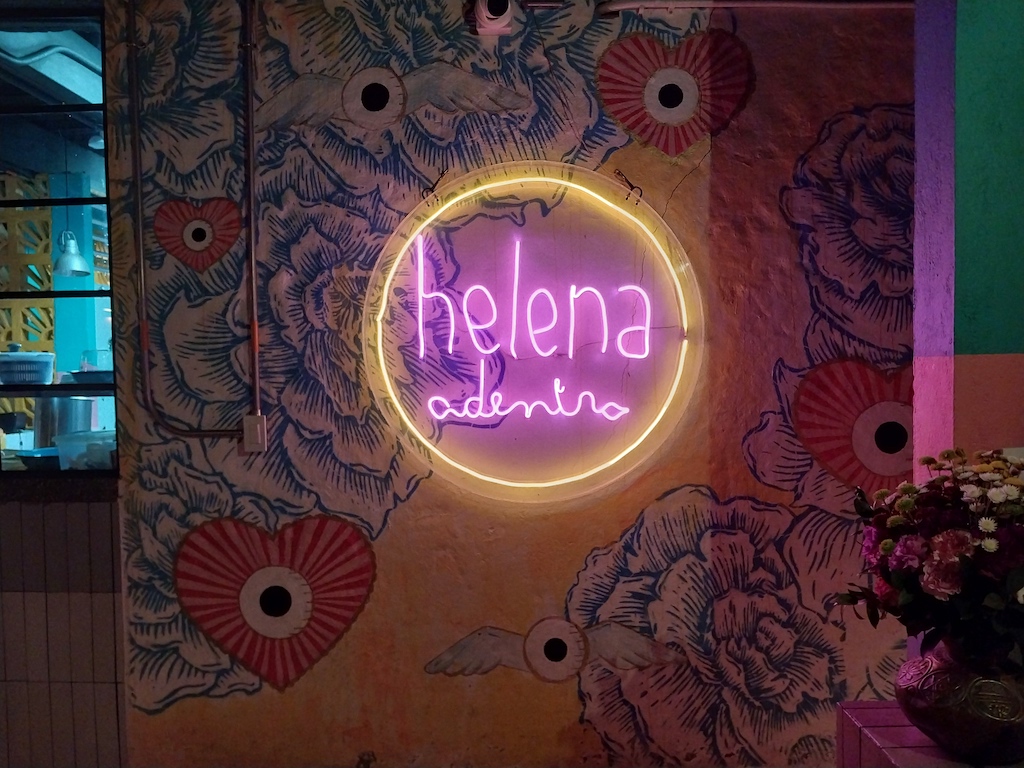
Filandia
One of the hot spots in the village of Filandia, near Salento. Here you can eat tapas and traditional Colombian dishes with a modern twist.
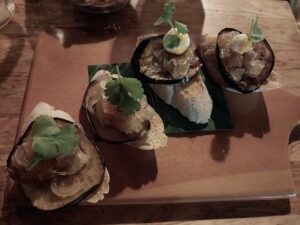
Are you staying in Salento? No problem, with a Willy Jeep you will be in Filandia in about 45 minutes.
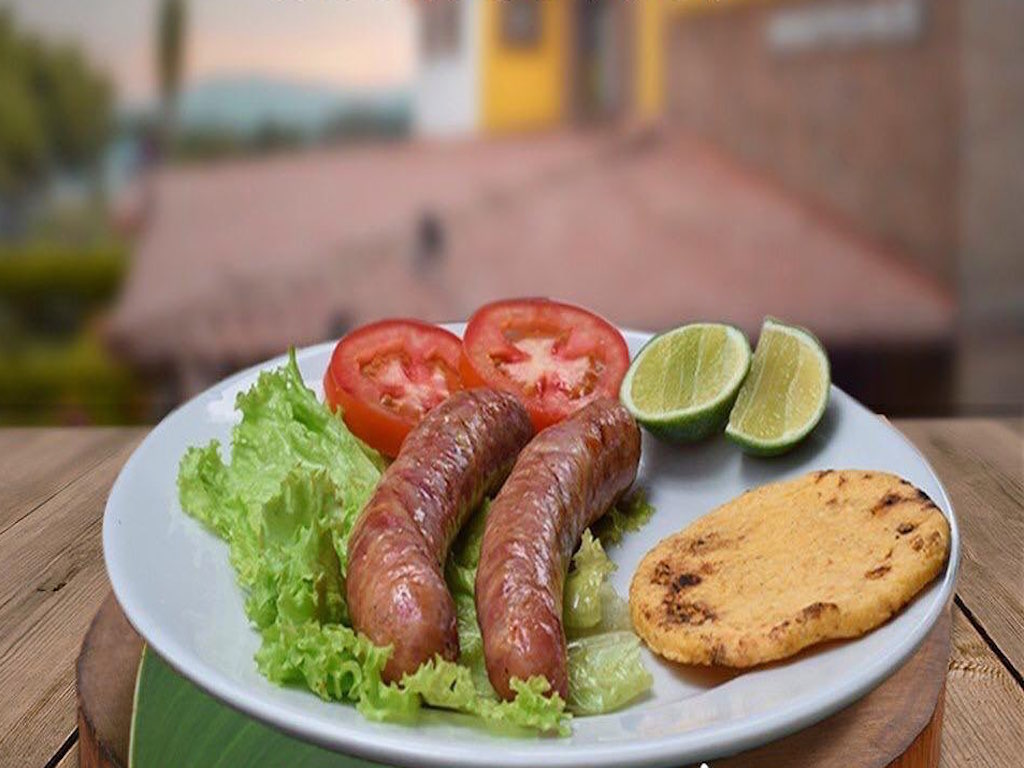
Santa Rosa de Cabal This restaurant is located 1km from the hot springs of Santa Rosa de Cabal, an ideal stop for lunch after your visit to the Termales. Here you can taste, among other things, the pride of the region, the Santarrosanos Chorizos. (Open Fridays, Saturdays, Sundays and holidays)

Manizales
The food is served in a cozy garden. Besides meat and fish dishes, vegetarians are also catered for. Here you also come for a special beer or a good cup of coffee with a nice dessert.
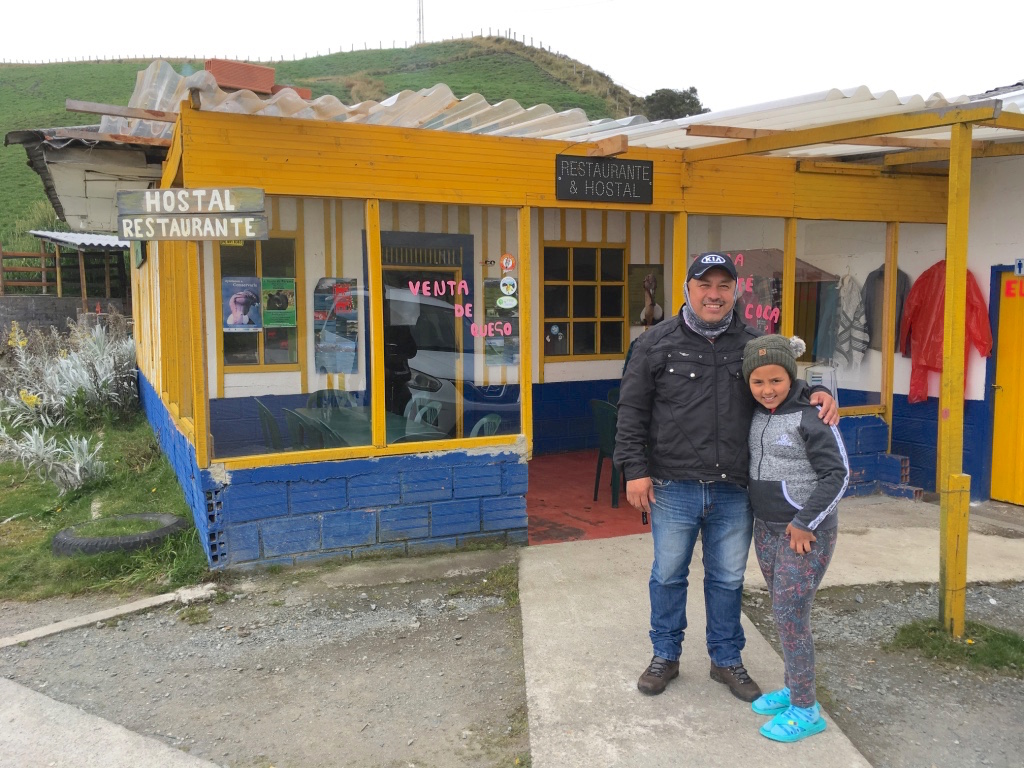
PNN los Nevados – Manizales
After the car tour to PNN los Nevados, there is no better place to stop for a steaming plate of Sancocho or the fresh Trucha (trout). Tip from owner Edoardo: When you’re traveling in the mountains, drink mate de coca. The tea made from coca leaves provides energy and prevents altitude sickness.
#Colombia tips
Tip #1
Check out the best restaurants in Salento and Filandia
Tip #2
Stay for dinner at Hacienda Guayabal
Hacienda Guayabal. is located 25 km from Manizales, in the village of Chinchiná, If you do a coffee tour here, make sure you stay for dinner. Especially the desserts are heavenly! The service is charming and very personal.
The Colombian Coffee Triangle,(Eje Cafetero / Zona Cafetera) is the famous Colombian coffee region, a Unesco World Heritage Site. The coffee triangle is a rolling to mountainous area east of Bogotá and south of Medellín. Besides the many cute coffee villages scattered in the rolling landscape, this area is a paradise for nature lovers, with volcanoes, glaciers, waterfalls, thermal pools and natural parks. The most touristic coffee village is Salento which is located near the Valle de Cocora, followed by Filandia.
Our favorite experiences in the coffee region include spending the night in a hacienda on a coffee plantation, strolling around idyllic villages where time seems to have stood still, chilling in thermal pools in the middle of nature and hiking in the national parks. Here you will find all our tips for fun things to do.
If you’re going to this region for the first time and aren’t quite sure where to start your tour, check out this information on the different regions, cities and sights. And read our article with comparison of Salento and Filandia.
Here you can read tips for the nicest hotels and hostels, transport + practical information about the climate, the best time to go, how long to stay and other useful information for a round trip in the coffee triangle.
The page you requested could not be found. Try refining your search, or use the navigation above to locate the post.
Here are answers to some frequently asked questions about Cartagena: Is the weather nice? Is Cartagena expensive? What about safety in Cartagena? How long will I stay and what is the best time to go? If your question is not listed, feel free to contact us!
Cartagena has a tropical climate and there is high humidity. It is warm all year round in Cartagena. May-September is the warmest period; the “coldest” months are January and February.
The average max temperature is 32C maxi and the average min temperature is 25C. December through April is the dry season, October is the wettest month
Because of the tropical temperatures, it is convenient to plan your activities in the morning or late afternoon so you can take it easy on the hottest time of the day. A room with a airconditioning is absolutely recommended!
December, January and Semana Santa (Easter week) are the busiest and most expensive periods in Cartagena. Many Colombians go on vacation themselves in those periods. September-November are quieter, also because it is the rainy season. In this period you can often score good deals.
Cartagena can be visited year-round, but it is extra fun if you make your trip around one of the many events, which draw tourists from Colombia and abroad.
January/February
Hay festival, a literature and arts festival with international guests
February/March
CIFF, Cartagena International Film Festival
November
Cartagena Independence Day, on Nov. 11. The celebrations begin as early as October and last over 3 weeks. There is a lot of music and dancing with the highlights being the parade and beauty pageant.
Late November/December
Cartagena Restaurant Week, Lunch and dinner at a special price at participating restaurants.
February/March carnival in Barranquilla: Since Barranquilla is about a 2-hour drive from Cartagena, you can combine your stay in Cartagena with the Carnival in Barranquilla, the largest carnival in the world after Rio.
October in San Basilio de Palenque: Music Festival de Tambores y Expresiones Culturales. For an authentic experience 55 km from Cartagena.
There is a lot to see in and around Cartagena. How long it’s best to stay depends on what all you want to see and at what pace you want to do it.
2 days:
In 2 days you have enough time to visit the most famous sights and possibly museums in the historic center. The distances in the center are short and there are many cafes and restaurants to make it a pleasant walk. If you do a city tour with a guide on the first day, then you will immediately have a nice introduction to the city. You can then use the tips you get for the best places to eat and drink for the rest of your stay. On day 2 you can visit Castillo de San Felipe, stroll through the hip neighborhood of Getsemani, dance salsa at Club Havana or sign up for a chocolate or coffee workshop.
3 days:
With an extra day, you can do a day tour in Cartagena or beyond.
4 days or longer
With 1 or 2 more days, you can take it completely easy and soak up the city. You can also take a cab to Bocagrande (15 minutes), to stroll along the boulevard and see the contrast of “little Miami” with the romantic old town. You can also catch the bus to Barranquilla, the city of carnival.
We have been to Cartagena several times and have never felt unsafe. As in all tourist destinations, Cartagena has a police presence to ensure the safety of tourists. Therefore, you don’t need to be afraid when walking on the streets in downtown Cartagena. Nevertheless, do not walk around with your phone and other valuables and think logically. There are pickpockets active in Cartagena, so watch your bag.
Do not go into the suburbs
There is a lot of poverty in the suburbs and it is not safe for tourists. After sunset, avoid the neighborhoods outside the tourist areas.
Get advice from locals
If you want to go out at night, ask your hotel if it’s safe to walk. Otherwise, have them call a cab for you, or order one yourself through the App.
Go inside to withdraw money
Use ATMs in malls and supermarkets where you can safely withdraw money.
Be prepared for street vendors
In El Centro, near the tourist attractions and on the beaches, there are many street vendors. If you don’t fancy yet another vendor offering their stuff, “No gracias” will do and you just walk on. That is usually enough for the street vendors not to bother you.
What to consider during a day on the beach
On the beaches, such as Playa Blanca and Bocagrande beach, the vendors can be very persistent. Keep a close eye on your belongings, as sometimes the vendors tip off thieves. If you’re going to eat something at a beach shack, check the bill so they don’t have a chance to possibly rip you off
For general information on safe travel in Colombia, visit this link.
Here you find an extensive description of the prices in Cartagena, from prices of transport to purchases in supermarkets and eating out in simple and more luxurious restaurants.
Hotels and hostels
Cartagena is very touristy, so for your place to sleep you will probably spend more than a hotel in a less touristy city in Colombia, such as Cali and Barranquilla, but comparable to cities like Medellín and Bogotá. Read more about our tips for hotels and hostels for every budget.
Transportation
Cartagena is great to explore on foot, so you can keep the cost of transportation low. If you ‘n want to order a cab, you’ll spend around COP10/800 / $2.75 for a short ride in Centro, San Diego and Getsemani. At night, prices are higher.
Tours and activities
From free tours where you only tip the guide, to private guided tours, tours and activities are available for every budget. Check out here for our tips on free fun things to do and the best guided tours.
Food and Drinks
You can make the trip as expensive as you want. If you walk around the city, order the lunch menu (comida corriente), buy an empanada in the evening and get your beer from the supermarket, you can keep your expenses pretty low. If you want to take one or more tours, eat out at night in a more luxurious restaurant with a bottle of wine to go with it, then the costs can quickly add up.
Indicative prices (2025)
Supermarket
Bottle of cola 2-liter COP 7,000
Bottle of water 1.5 liter COP 3,500
Pint of beer (Colombian) COP 4,200
Pint of beer (Import) COP 6,000
Bottle of mid-range wine COP 60,000-65,000
Eating out/drinking
Breakfast COP 12,000 to COP 25,000
Day lunch (comida corriente) around COP 22,000
3 course dinner in simple restaurant around COP 22,000
3 course dinner with wine in luxury restaurant around COP 180,000
Cappuccino on terrace COP 7,000
Ice cream at Gelateria COP 6,000
Empanada on the street COP 2,000-3,000
Beer (Colombian) in bar COP 7,000
Bottle of cola 33cl COP 3,000
Do you have more questions? Send us your question here
“Wherever you go, go with all your heart” – Confucius – Colombia is our passion and our Dutch-Colombian team would like to share that passion with you.
Copyright © 2019 – 2022 NAARCOLOMBIA.COM. All Rights Reserved.