What to do in Medellin? How to book excursions safely + bonus tips

Home 9 Author archive for J ( Page 34 )

What to do in Medellín? Too many to mention! We give you tips for the best (free) things to do, the best city tours and the best excursions from Medellín. That way you’ll get the most out of your trip!

Fun things to do

10 tips + bonus tips

1. By cable car to Parque Arví.

Travel with the locals on the metrocable. The view of the city as well as the comunas is impressive; villages with narrow streets built steeply against the mountain. Despite the visible poverty, it looks cozy because life takes place outside. Nature reserve Parque Arví is the last stop. You can hike there and it is a nice place for lunch among the locals on Sundays.
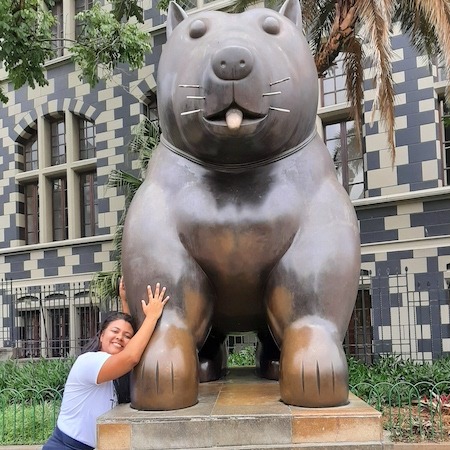
 

2. Take a picture of a real Botero

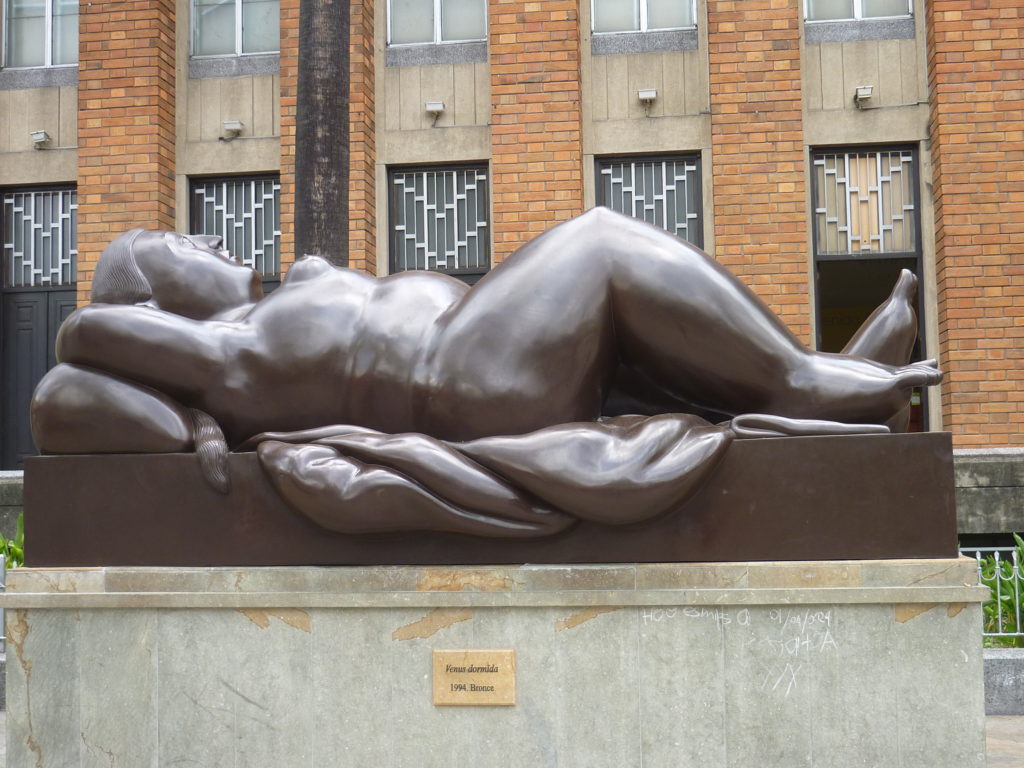
At Plaza Botero in the city center, you can admire the artwork of the “master.” Botero is known for his abstract, “oversized” sculptures of people and animals. There are 23 bronze Boteros scattered around the plaza. If you want to learn more about Colombia’s most famous artist and also see his paintings, visit Museo de Antioquia, which is also located on the square, right away.
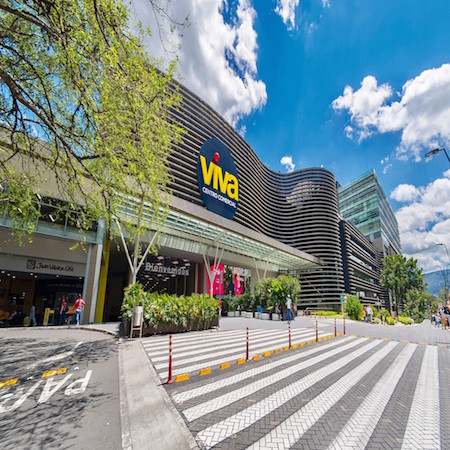
 

3. Shop till you drop in Colombia's largest mall

The giga mall with nearly 400 stores and a large food court, is located 5 minutes from Envigado metro station. Viva Centro Comercial includes a large Exito “Wow” store, Homecenter, 16 movie theaters, large Viva park especially for kids and even a sports center with soccer and volleyball courts. Look here for more shopping tips in Medellín.

4. Stroll around a castle garden

A castle, right in the middle of Medellín? Yes, you read correctly! In the garden of Museo el Castillo in El Poblado, parrots sit high in the trees and squirrels jump around. You can also take a look at the small museum, but you come here for the garden. Also fun; picnic in the garden -:) You can order a picnic basket from Museo el Castillo’s website.

5. Grab a bike on car-free Sunday (Ciclovía)

On all Sundays and holidays from 6 a.m. to 2 p.m., part of the roads are closed to cars. This makes Sunday the ideal day for a bike ride or a walk. For example, you can bike from El Poblado to Envigado (6.5 km). There is a pleasant bustle of stalls and many strolling families.
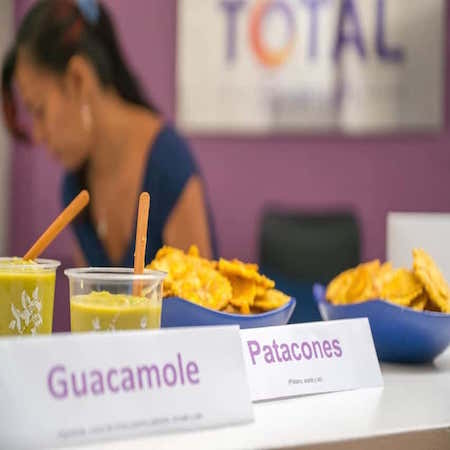
6. Take Spanish lessons

Medellín is a popular city with students. At the language schools, classes are available at any level and for any length of time. In between studying, you can join excursions organized by the school. Read about our own experience and our tips for Studying Spanish in Medellin
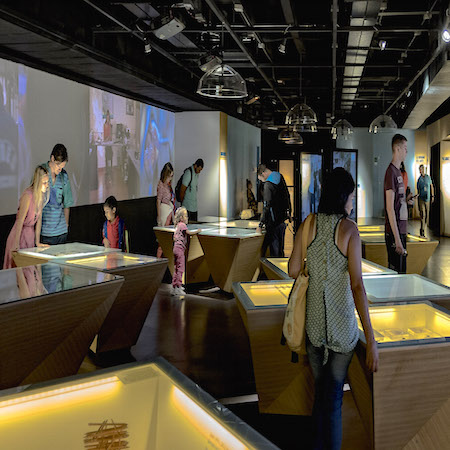
7. Dive into the history of Medellín

A visit to Museo Casa de la Memoria, is almost a must, if you are going to do a Comuna 13 tour. It is a modern, interactive museum, where you will gain insight into the history of the drug conflict. There is a separate room, where the victims of the years of drug violence have been given a face through the many photos and stories. One thing is for sure: after visiting this museum, the stories of the locals in Comuna 13 will impress you even more! Tip: Bring your earbuds, connect to the wifi in the museum and download the English-language app! Admission is free. The museum is located in Parque Bicentenario in the city center. It is a bit further away from the tourist attractions. From Plaza Botero (Berrío metro station) you can get there by the Tranvía.


8. Move your hips during a salsa class

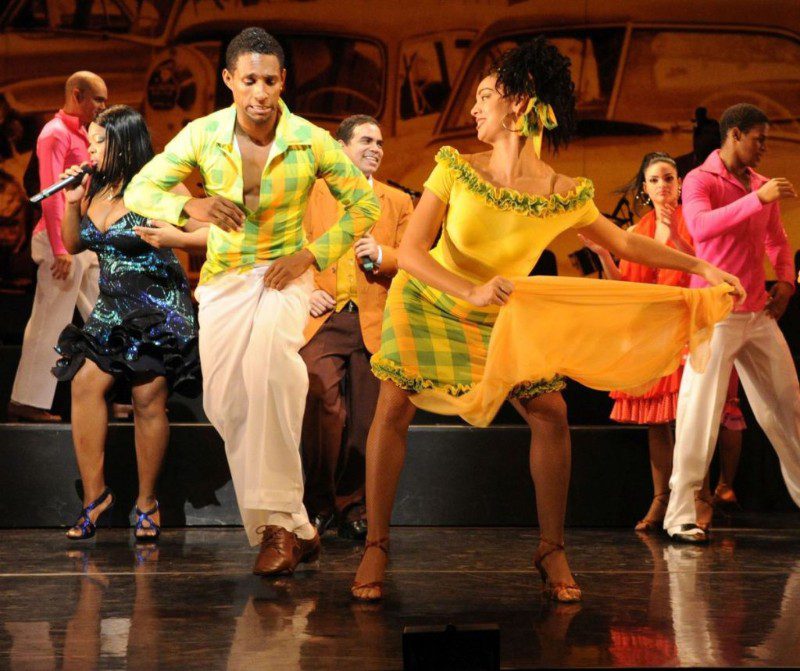
We think you can’t go to Colombia without trying a dance -;) Medellín may not have the salsa “status” of Cali, but there are several dance schools or cafes where you can learn your first salsa moves. Not sure yet if salsa is for you? Then take a free trial class, at Café Son Havana or dance school Dancefree, among others.
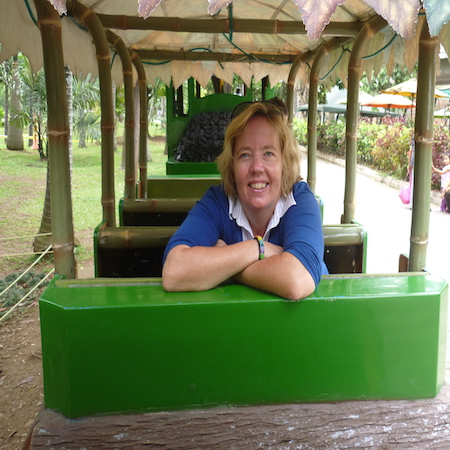


9. Chill in the botanical garden

The Jardín Botánico is located on 14 acres of land next to Parque Explora. Among other things, you can walk along a small lake with turtles and there are several species of birds and iguanas. Little (and big ) kids can ride a funny little train through the park -:) Jardín Botánico is also popular for festivals, weddings and the annual orchid exhibition, during the Feria de las Flores.
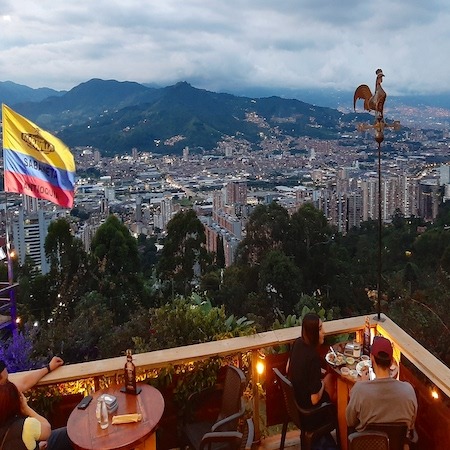
11. Enjoy the skyline (insider's tip)

There are many great places to enjoy the view of the city. One of our favorite spots and a real insider’s tip is restaurant la Octava Maravilla / Mirador Sabaneta. The eighth wonder of the world is located in Sabaneta, a suburb of Medellín. The view is stunning and here we drank one of the most delicious -and beautifully decorated- piña coladas ever. Come early because the restaurant is very popular with locals and you can’t make reservations. You can’t pay by credit or debit card, so bring plenty of cash. A taxi from el Poblado through a taxi App cost us around COP20,000/$5 and the ride takes 30-40min. Read here about our own experience at La Octava Maravilla.
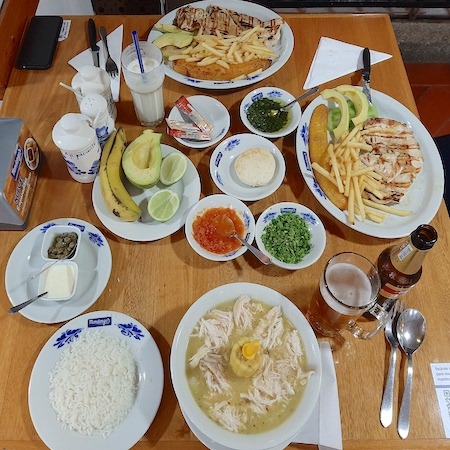
10. Try the delicious food and drinks

Order a drink at one of the colorful cafes in Lleras park, sample a craft brewed beer at a cerveceria and check out Manila’s “foodie” district in el Poblado. Sample typical local food like the delicious Ajiaco soup at Mondongo’s on la 70 (pictured) or dine in an old warehouse at Mercado del Rio. For our tips on the best restaurants in Medellín. Want to know more about typical local dishes and the best street food in Medellín? Check out the page Food Medellín Buen provecho!

12. Go to a soccer game with a local

Colombians are passionate soccer fans, and the most fun way to experience this passion up close is at the stadium. Medellín has two teams: Atletico Nacional and Independente Medellín (DIM). The rivalry between these teams is huge. Don’t know any locals going to the game? Then book a guided tour. You can book such a tour here. If you don’t go to the stadium, you can watch the game in one of the many cafes in Medellín.

Bonus tips

1. Visit Medellín during Christmas

If there is one city in Colombia known for extravagant Christmas lights(El Alumbrado) it is Medellín! Don’t think simple decorations here! The culture of Antioquia is depicted, as well as flowers and animals from the region. To give you an idea of the scale: 28 million LED lights, 1,000 kilometers of cords of Christmas lights, 30,000 handmade figures and 250 people installing the decorations. The Christmas season begins on Dec. 7, but the lights are lit a week earlier and can be admired through the first week of January. Each year the locations for the decorations are announced. You can also go on a guided tour of the beautiful Christmas lights, in the different neighborhoods of Medellín. You can book the tour here.
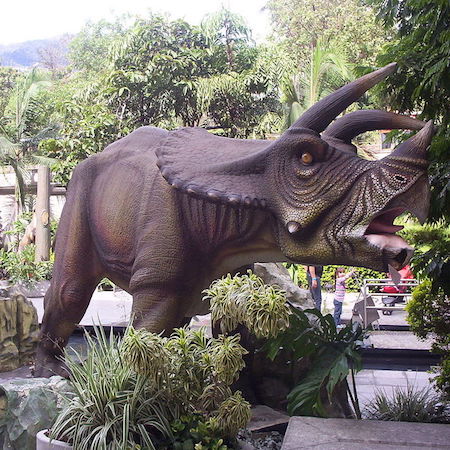
 

2. Fun things to do with the kids

Parque Explora
A large interactive museum, including aquarium and planetarium. Here the kids can be active themselves. Good to combine with the Jardín Botánico (5 min. walk)
Hacienda
Napoles
A theme park located 178 km from Medellín. The park consists of a water park and zoo, built on the former estate of Pablo Escobar. After his death, the Colombian government wanted to do something positive with the property and it is now a popular family park. You can stay overnight at one of the hotels in the vicinity of Hacienda Napoles or Doradal.


Organized tours

City Tours

Free city tour
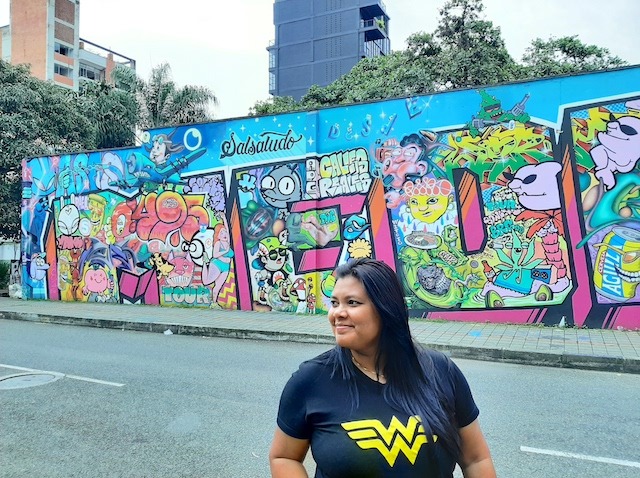
A city tour is a convenient introduction to the city. You’ll see the highlights while hearing stories about Medellín’s history. The guide also shares useful tips with you. The tour is not completely free: at the end of the tour, you tip the guide. Indication is about COP 30,000 / $ 7.50 per person. You can book the tours at Real City Tours, among others. We found a surprising free tour to be the El Poblado tour.

Read here about our experience with the El Poblado tour.

Comuna / grafitti tour
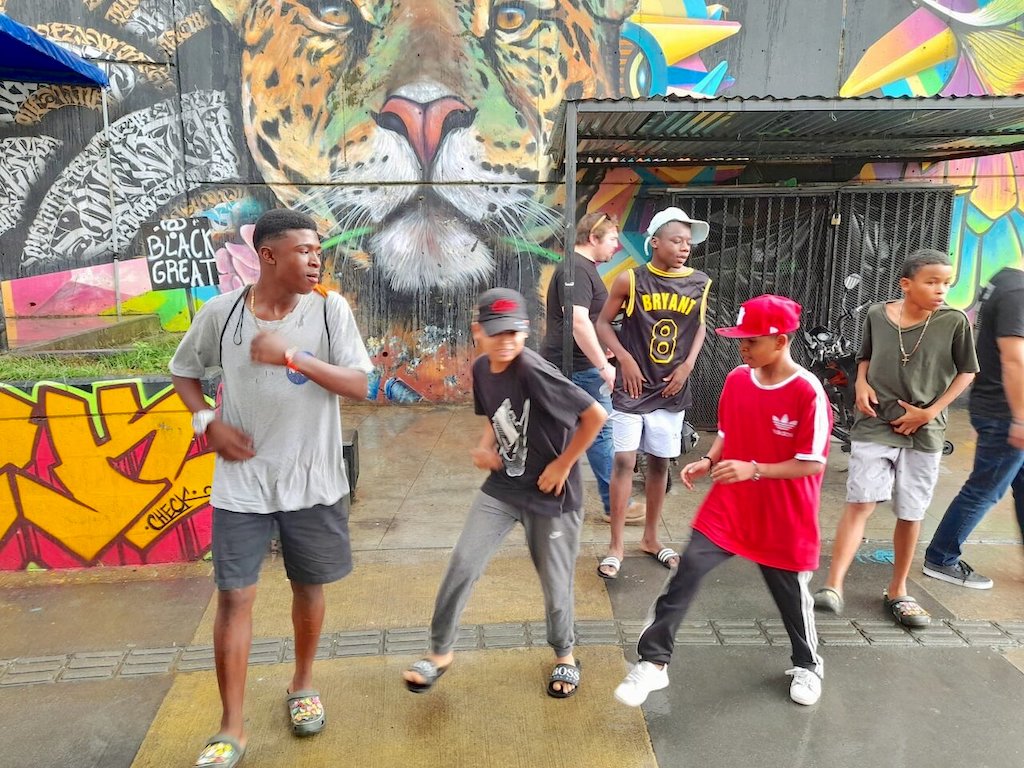
Medellín is the city of transformation and during the community tours, you will hear the real story of the locals behind that transformation. The most popular tour is the graffiti tour in Comuna 13, where the graffiti and other street art depict life in the comuna. There is a wide range of Comuna 13 tours. We had a good experience with the tour in the Graffivan.

If you want to visit a more unfamiliar Comuna, you can visit Comuna 8 (Barrio Sierra), combined with a visit to a coffee plantation. Note: You cannot visit Comuna 8 independently, it is not safe. There is 1 authorized organization to do tours here and that is Urban Coffee Tour.

Read here about our experience with the Urban Coffee Tour.

fruit tour

During a tour of the fruit market, your senses will be indulged with many different colors, tastes and smells. During the tour, you will taste many kinds of exotic fruits and fruit juices. With a guide, you will get the most out of your visit. The guide knows the large, hectic market like the back of his hand and a chat with the vendors is easy. The guide will also tell you the stories behind the market and the people. You can book a tour of the fruit market here.

Day trips

Day trip Guatapé and el Peñol
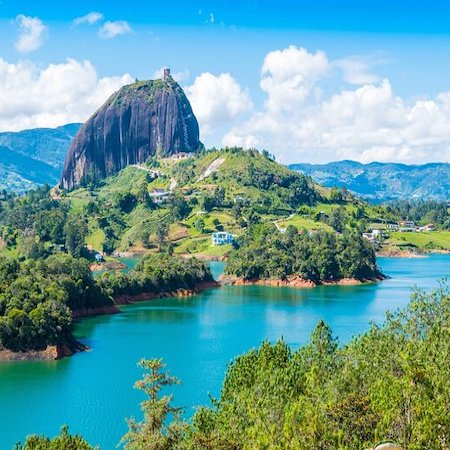
The most popular day trip from Medellín. The trip usually includes typical Colombian breakfast, lunch in the colorful village of Guatapé and a boat ride on the reservoir. If you want to climb el Peñol, keep in mind that entrance is usually not included. (approx. COP20,000/$5)

Look here for our travel guide Guatapé en el Peñol

Active “adrenaline rush” tour
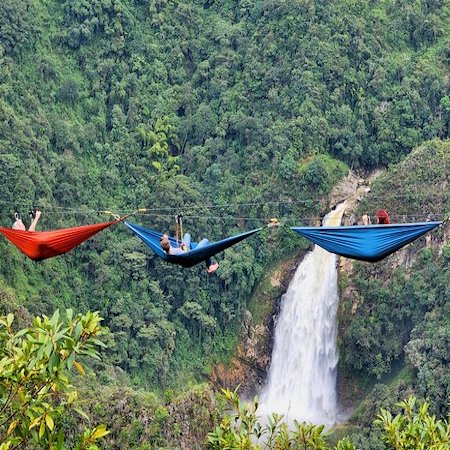
Paragliding, rappelling, rafting, off-roading with an ATV, hiking…no shortage of opportunities to get nice and active! If you really want a kick; try out these zipline hammocks Here you book the hammock zipline tour from Medellin.

Tour to coffee plantation
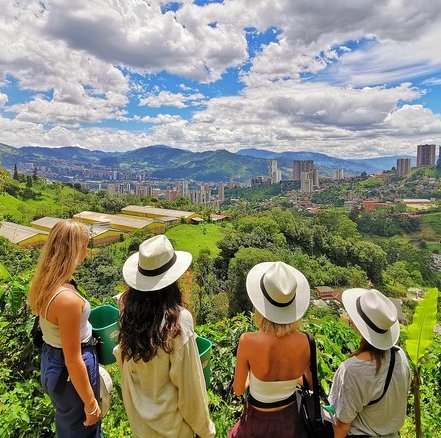
For a coffee tour, you don’t have to go far; coffee plantations can be found even in the outskirts of Medellín, such as in Sabaneta and Envigado. During a tour, you’ll learn all about coffee, from “bean to cup.” Our tip; combine a tour of a coffee plantation with another authentic Colombian experience; horseback riding! With such a combination tour you get the most out of your day. You can book such a tour here.

Weekend getaway

Glamping in Guatapé
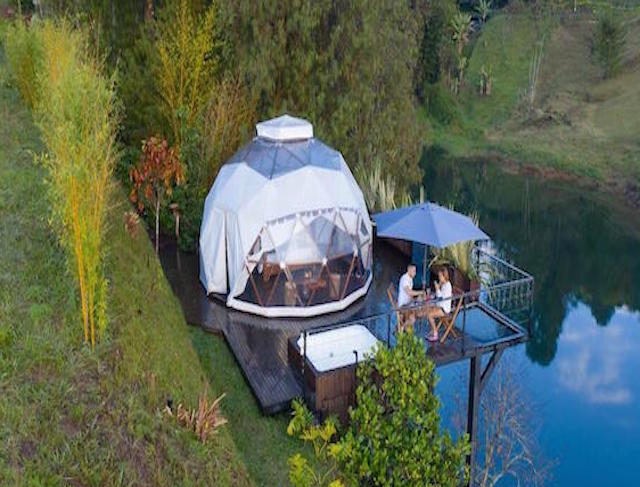
(83 km from Medellín)

If you stay overnight in Guatapé, you can enjoy the surroundings to the fullest. Especially if you stay in a tent, in the middle of nature. For extra luxury, book a tent with a private jacuzzi -:) During the day you can hike or take a kayak trip on the lake. Also ‘n take a mono cab to Guatapé, for a cup of coffee in the “most colorful village in Colombia.” Check out these luxury tents: Bosko glamping and Domus glamping

Go back in time in Jardín
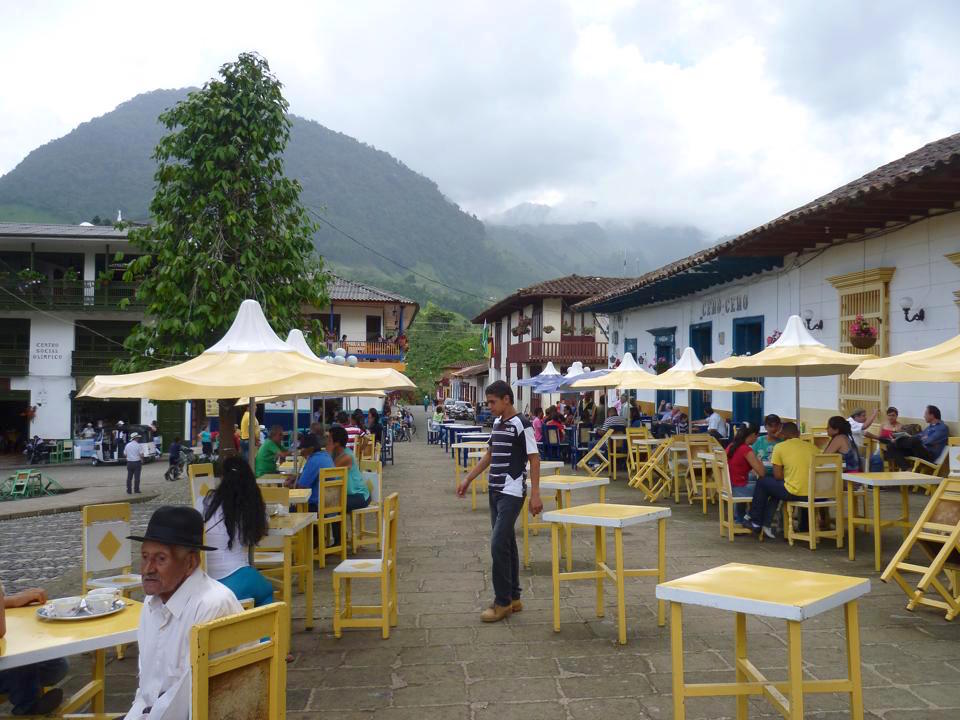
(131 km from Medellín)

Jardín is one of those villages where time has stood still. On Sundays, the farmers come to town on their horses, for a cup of coffee (or something stronger). The nicest place in the village, we think, is the central square. Order a cup of coffee and let village life pass you by. In the surrounding area you can do some nice hiking, bird watching or hiking to a spectacular cave. Check here more quaint villages for a side trip from Medellín.

Río Claro Reserva Natural
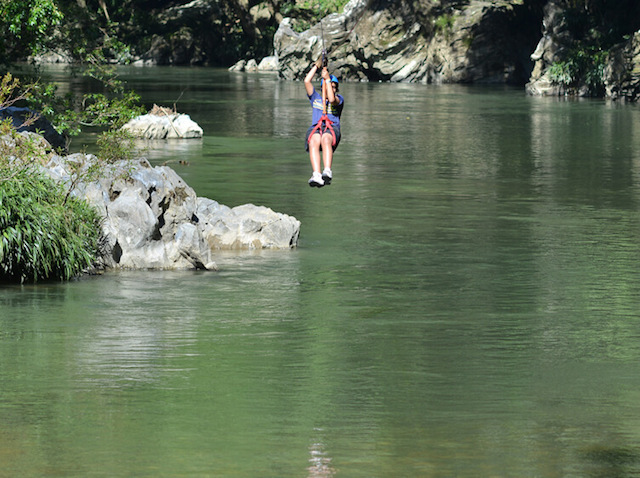
(152 km from Medellín)

Near natural reserve Río Claro you can hike and bird watch and there are all kinds of activities to do such as ziplining, rafting (the quiet version) and cave exploration. Accommodations range from a room at the eco-hotel to a private cabaña.
5-star tours

Day trips

Adventure/Paragliding

Travel Guide Medellín

Home 9 Author archive for J ( Page 34 )

Medellín

In this travel guide Medellín you will read all about the City of Eternal Spring.
With about 3 million inhabitants, Medellín is the second largest city in Colombia. Medellín has a pleasant climate and is located at an altitude of 1,500 meters, in the Aburrá Valley.

City of transformation
After Pablo Escobar’s cartel controlled the city for years, Medellín seized the opportunity to “reinvent” itself. Underlying the transformation was the modern transportation system with the Metro de Medellín, cable car and escalators. This connected the comunas in the hills surrounding Medellín to the center and brought the inhabitants out of their isolation.

City of innovation
Medellín is a modern city, at the forefront of many areas, such as technology. There is even a Valle del Software in Medellín.

Do you want to visit this extraordinary city? Then check out our Medellín travel guide here with the best things to do and useful tips & tricks for your trip to Medellín!

All about Medellin

How to get there.
What to do.
Hotels and hostels
Transportation in Medellín
Food & drink
Practical info
Frequently Asked Questions
Villages near Medellin
Shopping in Medellín
Cheap Flight Tickets

All about Cartagena, Colombia

Cartagena

In this travel guide you will find everything about Cartagena de Indias, the capital of the department of Bolivar on the Caribbean coast. The addition “de Indias,” is to distinguish the city from the other Cartagena, in Spain. During the Spanish colonial period, the port city was one of the most important cities in South America. Its forts, castles, city walls and historic center, have been named a World Heritage Site by Unesco. The city with over 1 million inhabitants, is the most touristic city in Colombia. Cartagena is so much more than its historic center alone. The city is a fascinating mix of old and new, touristy and local. Cartagena is a convenient starting or ending point of a tour of Colombia’s north coast, where you can travel to Tayrona National Park, Minca, Ciudad Perdida, Santa Marta and La Guajira. Look here for travel itinerary tips and quickly read on about what to do in Cartagena + tips on transportation and the nicest hotels and restaurants.

All about Cartagena

How to get there
What to do
Hotels and hostels
Transportation in Cartagena
Food & drink
Practical info
Frequently asked questions Cartagena
Cities near Cartagena
Shopping in Cartagena
Cheap Flight Tickets

Colombian culture

Colombian culture

Intro →

Cultural Communities →

Language→

Music and dance →

Art →

Sports →

Food →

The people →

intro

CULTURAL ‘MELTING POT'”

Colombia is a cultural melting pot, we cannot talk about the Colombian culture or the Colombian. The South American country is a true melting pot of cultures. Each city, region or community is part of the Colombian culture, but with its own unique interpretation of it.

The culture has been influenced by the indígenas (Indigenous communities) who live particularly in La Guajira and the Amazon and former slaves and/or Europeans. Many Colombians are of mixed descent ( the mestizos). The Caribbean Coast, Cali en Chocó (Pacific), have a lot of Afro-Colombian influences and on the islands  San Andrés and Providencia, there is an Afro-Caribbean culture. Medellín is a city where many European immigrants settled and Bogotá is a mixture of European and Native American influences.

As in many other Latin American countries, there is a large Spanish influence in religion. About 75 percent of the Colombian population is Catholic.

Keep on reading if you are interested in the culture of Colombia. We talk about the different cultural communities, language, music and dance, art, sports and diversity. At the end of this guide you will read our insider tips for what to consider when you go to Colombia.

Cultural communities

The diversity is so big that we could fill a complete encyclopedia with information about the cultural communities in Colombia. Here we want to give you just a small impression, of some of the better known communities, that you as a traveler could possibly visit.

Indigenous culture

Despite only making up about 3-4% of Colombia’s total population, the influence of the “indígenas is great and is reflected in language, traditions, music and dance.

There are nearly 90 Indian tribes in Colombia, with some 800,000 indígenas, They live in reserves, which occupy in total about 1/3 of Colombia’s entire area. In the sparsely populated Amazon, there are more than 70 different ethnic Indian communities, such as the Yucunas, Huitotos and Tikunas.

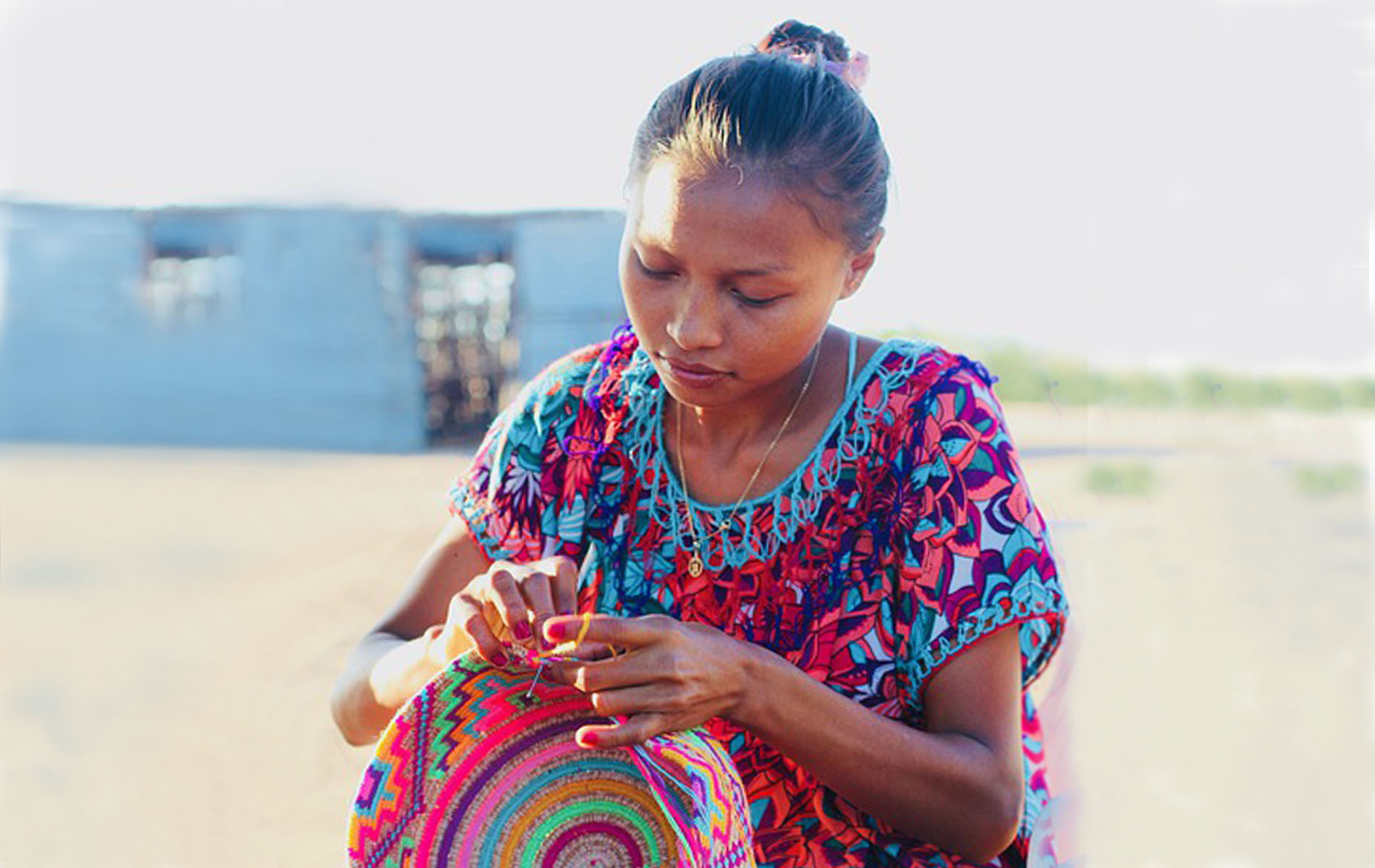
Colombia’s largest group of indígenas live in La Guajira, where more than 150,000 Wayúu live in the rugged desert region. The Wayúu have opened their homes to travelers, so you can do a tour there, staying in a Ranchería, a typical “Wayúu” house. During such a tour you can learn about the culture of the Wayúu: you can see how the famous Wayúu bags are made, admire traditional dance and clothing and taste local food. Check here which tours you can do in La Guajira.

The Wiwa, Kankuamo, Kogui and Arhuaco live in the Sierra Nevada de Santa Marta. The Wiwa are most active in tourism. Touroperators that offer the trekking to Ciudad Perdida (The Lost City), often work with Wiwa guides. Here you can read our travel guide Ciudad Perdida.

The Guambiano (also called Misak), live in the south of Colombia in Cauca. Every Tuesday they come from the mountains to the village Silvia, to offer their stuff at the market and to buy stuff themselves. The market is about an hour’s drive from Popayán.

Afro Colombian culture

One of the important places for the Afro Colombian community is San Basilio de Palenque, near Cartagena. Palenque was founded by former escaped slaves and is a UNESCO World Heritage Site. The culture and traditions of the Palenqueros are still intact. During a tour with a local guide, you can learn about the special inhabitants and their traditions, language (Spanish Creole), music and food culture. In Cartagena, the Palenqueras offer their wares in the old town, where they can be recognized by their colorful dresses.

Afro Caribbean culture

The islands

San Andrés andProvidencia lie just under 800km north of Colombia and 150km east of Nicaragua. With a location closer to Nicaragua than to Colombia and its past as a former English colony, the islands are special. One of th groups on the islands is the Afro-Caribbean Raizal, who speak Creole. It was originally English-Creole, but later added influences from Spanish and African.

Diversity

Language

The official language is Spanish, but unofficially there are about 70 different languages in Colombia, many of which are spoken by Native American communities. On the Caribbean islands of San Andres and Providencia, English is also an official language. There, a mix of English, Spanish and Creole is often spoken.

There are also different accents and pronunciations of Spanish, which can vary by region and city. On the coast, for example, the “r” is often barely audibly pronounced.

Music and dance

Even in music, there are different influences by region. African influences on the coast, along with Native American and European influences, provide many Colombian rhythms.

There are more than 1,025 rhythms in 157 different genres. This is why Colombia is also called “the land of 1,000 rhythms.”

Popular rhythms

  • Cumbia, originated as a dance among slaves, on the Caribbean coast
  • Champeta, with mostly African rhythms, originated in Cartagena
  • Vallenato with the typical accordion, once brought by European immigrants. Originated in northern Colombia, near Venezuela
  • Salsa, popular throughout Colombia, especially in Cali, “city of salsa”
  • Bambuco, a traditional folklore that originated in the Andes, with mostly Spanish and Native American influences and traditional musical instruments such as the “tiple,” a Colombian guitar.
  • Joropo, the music of the Llaneros, the Colombian “cowboys” of the Llanos, the lowlands of Colombia. “Key” instruments are the harp and the maracas. The llaneros sing about daily life on the land, about horses and nature.
  • Reggaeton, a modern style of music popular in Colombia

Colombian artists
Singer Shakira from Barranquilla has achieved international fame and is Colombia’s most popular singer abroad. Famous singers include Carlos Vives, Juanes, Maluma and J.Balvin.

Festivals
Long ago, carnival was a way for all ethnic groups to come together and celebrate traditions. Even today, coming together to celebrate traditions is an important part of Colombian culture. Festivals give people a chance to party and enjoy folklore, live music and local food and drink. Colombians have as many as 18 long weekends a year, so there is often a festival on the weekend off.

Art

Art can be seen in many forms in Colombia: Botero’s famous paintings and  “oversized” sculptures, the literature of Nobel Prize winner Gabriel García Marquez, but also: graffiti art and handmade souvenirs from the Wayúu Indigenous community.

Precolumbian art
The Gold Museum in Bogotá features a large collection of art from pre-Columbian culture.

Ciudad Perdida, San Augustin and Tierradentro are well-known archaeological sites with remains of pre-Columbian culture.

Sports

Soccer
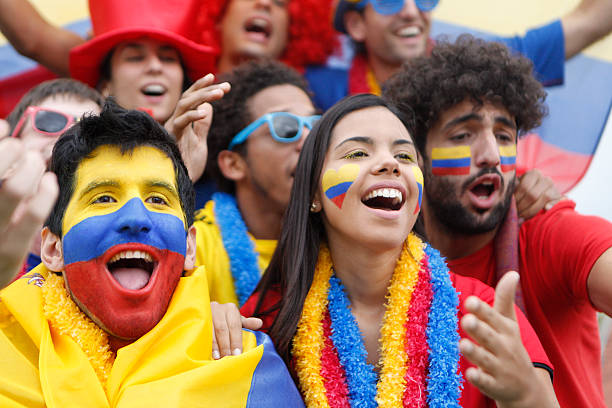
Soccer is Colombia’s national sport, very popular to watch and to do yourself. On a match day of the national team, you can see Colombians walking around during the day, already proudly wearing the national shirt. The cafes are bustling during matches and there is passionate cheering. Icon of Colombian soccer is Carlos Valderrama, easily recognizable by his blond hair. Current soccer heroes include James Rodriguez, Radamel Falcao and Juan Cuadrado.

Baseball
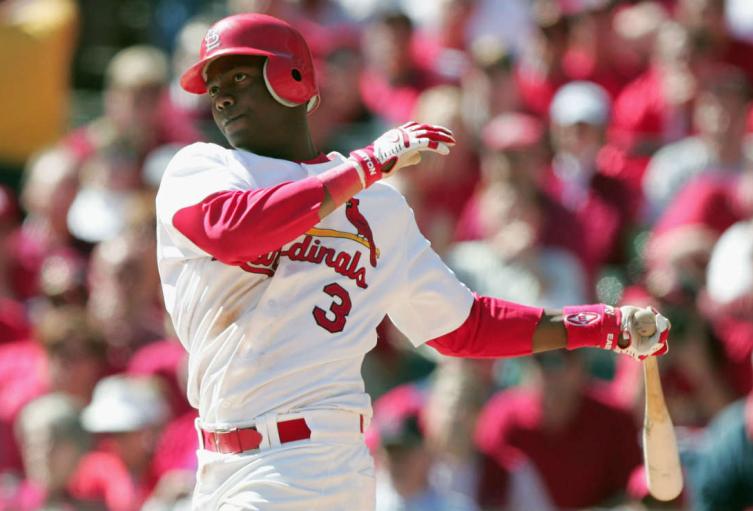
After soccer the most popular team sport and particularly popular on the Caribbean coast. One of the most famous baseball players is Edgar Rentería, or the “Barranquilla baby,” who has made a career in the USA. Besides being a sportsman, Rentería is also socially involved. For example, he participated in the project Béisbol por la paz, in which vulnerable youths were literally taken off the streets for baseball training.

Cycling
A very popular sport in Colombia to watch and to do yourself. During cycling races such as the Tour de France, Colombians passionately cheer on their heroes such as Egan Bernal and Nairo Quintana as they conquer the high mountains. Riders can practice perfectly on the many cycling routes and mountainous areas.

Tejo
A game played in certain regions among locals and tourists who want to try something typically Colombian. The objective is to throw a metal disc at the
bocin, another disc with a small explosive charge, lying in a container of earth. Tejo is still most like bowling. The game dates back to the time of the Muisca Indians, who are said to have used a golden disc.

Athletics and rollerblading are also popular sports in Colombia. Most famous athlete is Caterine Ibargüen. Other famous Colombian athletes include Formula One driver Juan Pablo Montoya and Mariana Pabon (BMX).


Colombian food

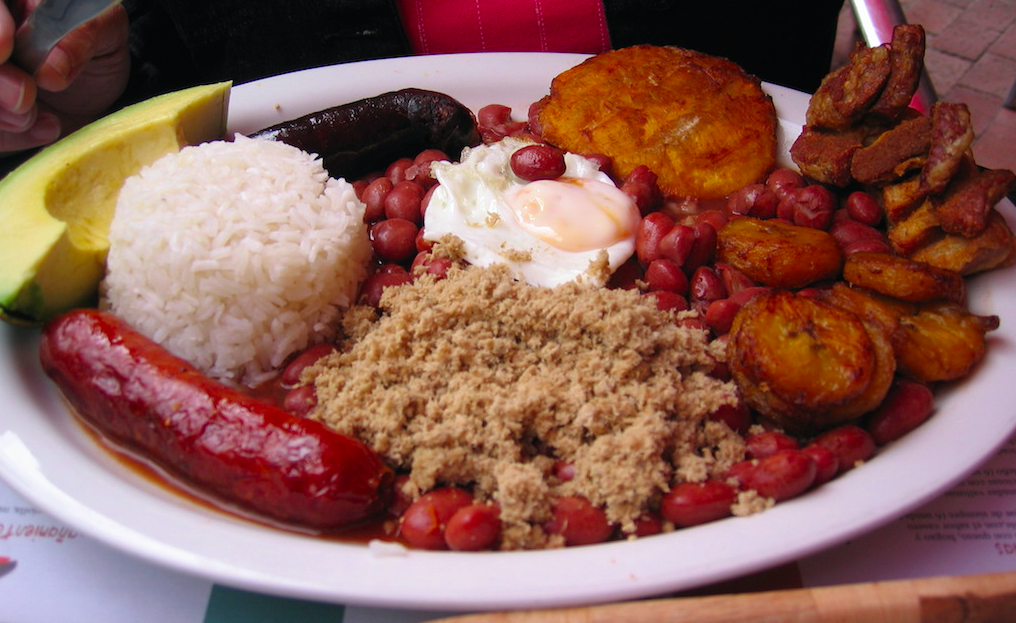
Also in the culinary field, there is much diversity in Colombia. Each region / city has its own specialties and traditions play a major role in the preparation of food . Do you want to know more about the traditional food of Colombia and the tastiest snacks and street food? Continue reading this article about the food in Colombia. In this article you can also search for your favorite region and search for the typical food of the area.

The People

Despite the differences in culture, there are a number of customs and traditions, that are considered “typical Colombian.”

Colombians are generally cheerful people who love life. They are proud of Colombian music, dance and food. Colombians are cordial, curious, helpful, like to make jokes and enjoy having a chat.

Family and Family

Family People
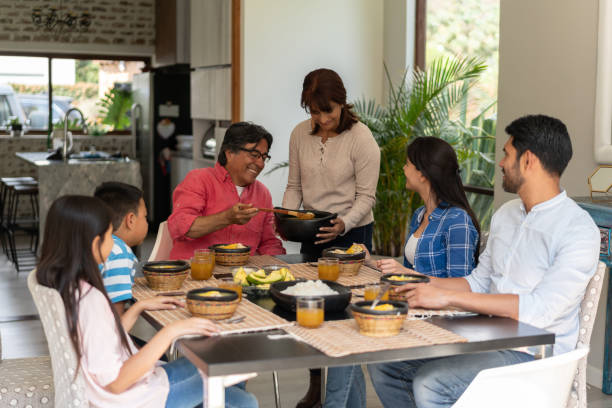
Colombians are real family people. And by family, we don’t just mean your own family. This also includes cousins and children of your aunts children! There is no distinction whether you are distant or close family, family is family!

Women in the family
It is the women who keep the family together. Grandmothers play an important role in raising the children and even when the children get older and get married themselves, it is very common to continue living with parents and grandparents. Other children with their families also often live on the same property. As the parents get older, the children take on the task of caring for their parents There is, however, a shift in the traditional division of roles. Today, both parents often have jobs and share the care of the children.

Food = love
Food is a way for mothers and grandmothers to show their families how much they love them. Mothers and grandmothers often spend hours in the kitchen putting meals on the table. Recipes are passed on from generation to generation and so there are many family recipes, kept in the family and only revealed on rare occasions!

Macho culture

Macho culture
Men like to take their girlfriend or wife with them when they go out and it is less common than in other cultures, to go out with a group of men. This also has to do with macho culture; men like to show that they are a pareja, that they have a wife or girlfriend. Women are used to it, that men take care of them financially and “going Dutch” in a restaurant, is not common. Men like to take care of their wife or girlfriend and also consider it normal to pay for the women. When a man asks a woman out, she also expects the man to pay for her.

LGBT

Same-sex marriage is legal in Colombia, and same-sex couples are also allowed to adopt children. There are laws to protect LGBT rights and transgender people are allowed to change their gender in their ID documents. The most gay-friendly cities in Colombia are Bogotá, Cartagena, Medellín and Barranquilla. Bogotá has a lesbian mayor (Claudia López) who is open about her sexual orientation. Nevertheless, Colombian LGBT often have a very difficult time in Colombia, not least because of macho culture and the influence of religion. Parents often think they have done something wrong in parenting if their child turns out to be gay. Then, when the whole family gets involved as well, it can be difficult to be accepted. This also has to do with the fact that they do not expect children to be born from these relationships.

Good to know

If you’re going to Colombia, you might benefit from these tips!

Forget punctuality
Are you making an appointment with a Colombian? Then forget about punctuality. Anything within 45 minutes of the agreed time is “on time” for a Colombian -:) If the appointment was made a while ago, check beforehand whether the appointment will take place!

Appearance is very important
Keep in mind that appearance is very important to most Colombians. Great care is taken with makeup, hair and clothing. When a Colombian says, she is going to change, she is not ready with 10 minutes. This is more likely to be an hour -:) As a European or North American you can sometimes feel yourself “underdressed”, when you go out with a Colombian, even if you only go to the supermarket.

Leave the “era of Pablo Escobar” for what it is
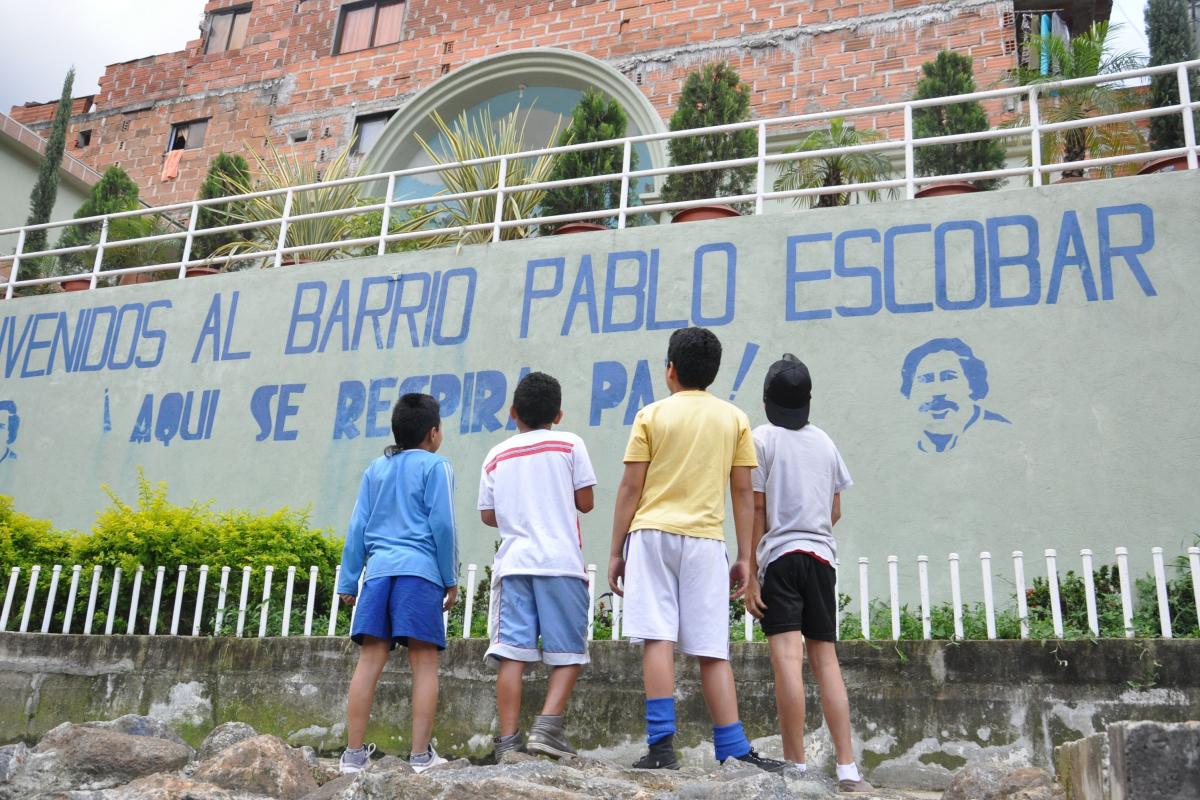
Are you in Colombia and want to talk to locals about Pablo Escobar? Most people won’t respond to that, the past is painful enough and Colombians are not proud of this piece of their past. The prefer to leave that part of their past behind….While they are happy to tell you-full of passion-about their dreams for the future.

Check out this link if you want to know more about the different destinations in Colombia. You can also find here practical information and tips for planning your trip and information about safety, travel documents, useful apps for your trip to Colombia and more. Check this link for the best hotel deals.

Salsa dancing in Cali

Home 9 Author archive for J ( Page 34 )

Want to learn to dance salsa in Colombia? There is no better place to dance salsa than in Cali! Here you can read about our own salsa adventure in Cali.

At the end of the evening there was a kind of dance battle between the best couples of the evening. Everyone gathered in a circle around the dancing couples.

Salsa bucket List
Like many other travelers, Cali was on our bucket list because of salsa dancing. We stayed at The Pelican Larry hostel, where they also offered salsa lessons. From beginners to advanced, everything is possible and any shame and insecurities can be thrown overboard before you step into the door. Amazing!

I’m not kidding when I say you literally step into a dance scene from Dirty Dancing II. Well, after first having a beer at the bar and watching all those people dancing, we too felt like throwing our Dutch hips into the “battle”.

Patient teachers
We didn’t have to wait long, because before we knew it, we were being asked to dance by two Colombian boys. Still somewhat shy, we hesitated for a moment, but both of us quickly decided that we were going to make a bold move. With endless patience, fun and passion for salsa, the boys taught us the basics and we were soon in the middle of the crowd.

After about three songs, it was time to hydrate, because man…. all those dancing people made for a high temperatures in the room. Not much later, the next Colombian guy approached us and asked if we wanted to dance. This way you switch dance partners several times during the evening (also nice for the locals not to have to dance all the time with a beginner -:)). Yet they don’t say a bad word about it and teach you with the biggest smile!

Dance battle
At the end of the evening, there was a sort of dance battle between the best couples of the evening. Everyone gathered in a circle around the dancing couples (a bit like what happens in Step Up when people are challenged to a dance battle). Yelling, screaming, whistling: everyone was totally absorbed in what was happening on the dance floor. Then a winner of the evening was chosen and the evening came to an end.

Amazing atmosphere
It was enchanting. My travel companion and I both didn’t bring a phone (unfortunately), so we have no images of the evening itself. Maybe that’s why we were totally immersed into the dancing and atmosphere.

In our opinion, your trip to Colombia is not complete without immersing yourself in salsa culture!

Written by Mellijn
Travel date January 2018

photos @La Topa Tolandra and The Pelican Larry hostel)

#ColombiaMyWay Tips
(Updated August 2025)

Read more about Cali in our travel guide Cali.

Every recommendation is based solely on our own experiences and honest opinions. However, some of our links are affiliate links, which means we earn a small commission if you book through them. This commission comes at no extra cost to you and helps us maintain our website.

We do not take payments from tour operators or hotels for our reviews and we pay for our own stay and tours.

Jeanette and Shelly

Writers and Travelers, Colombia My Way