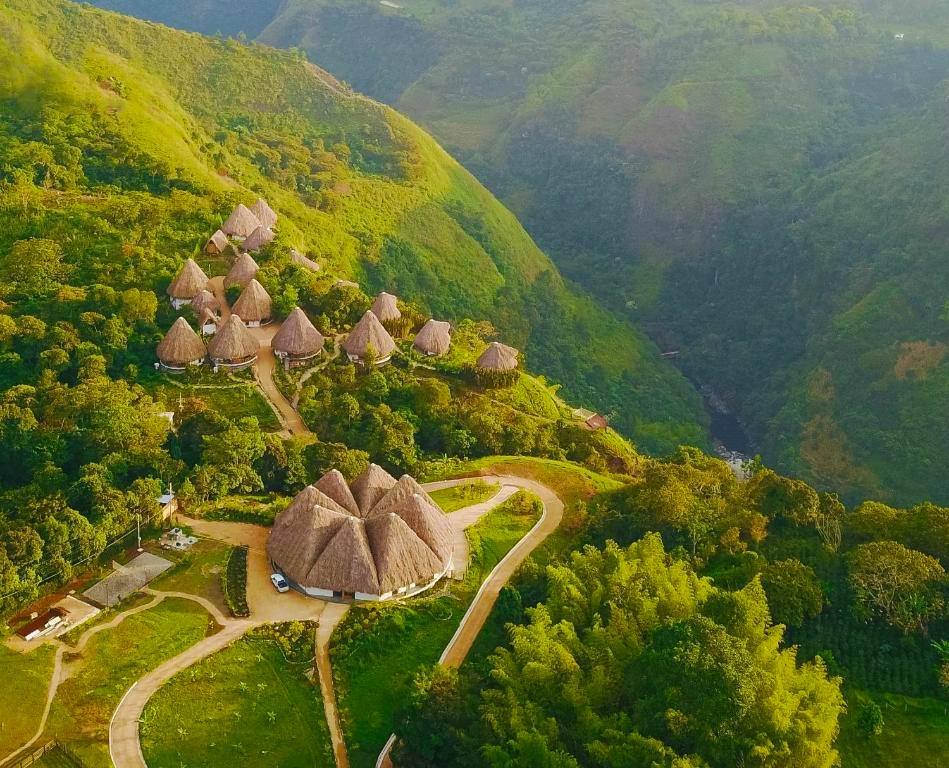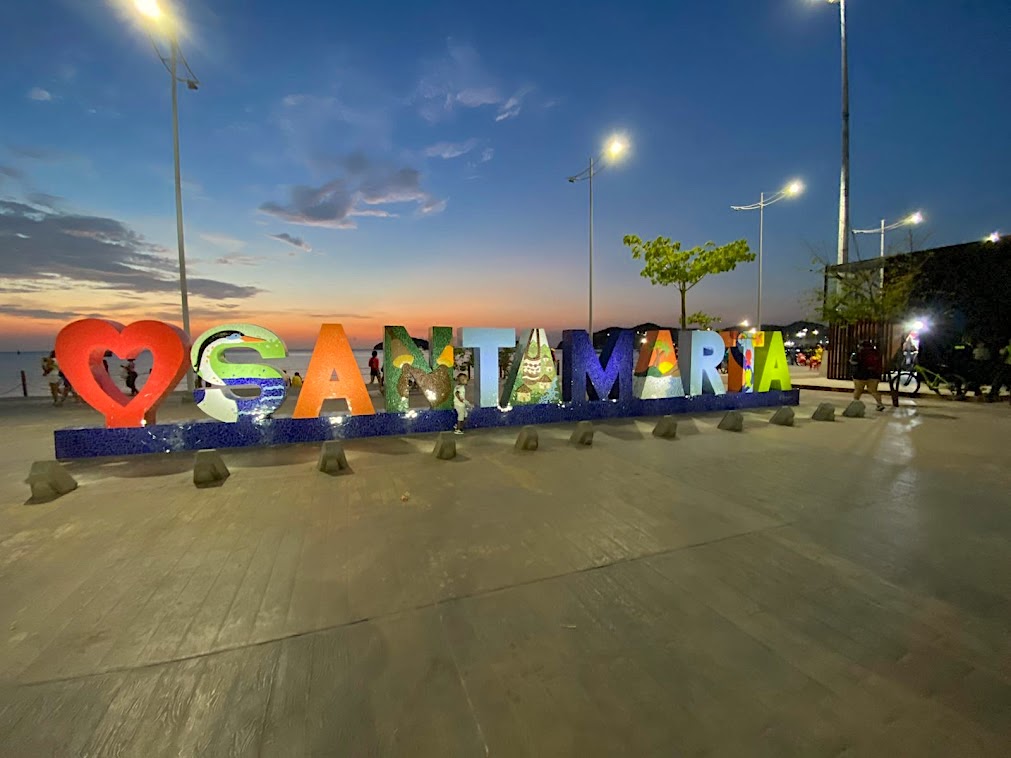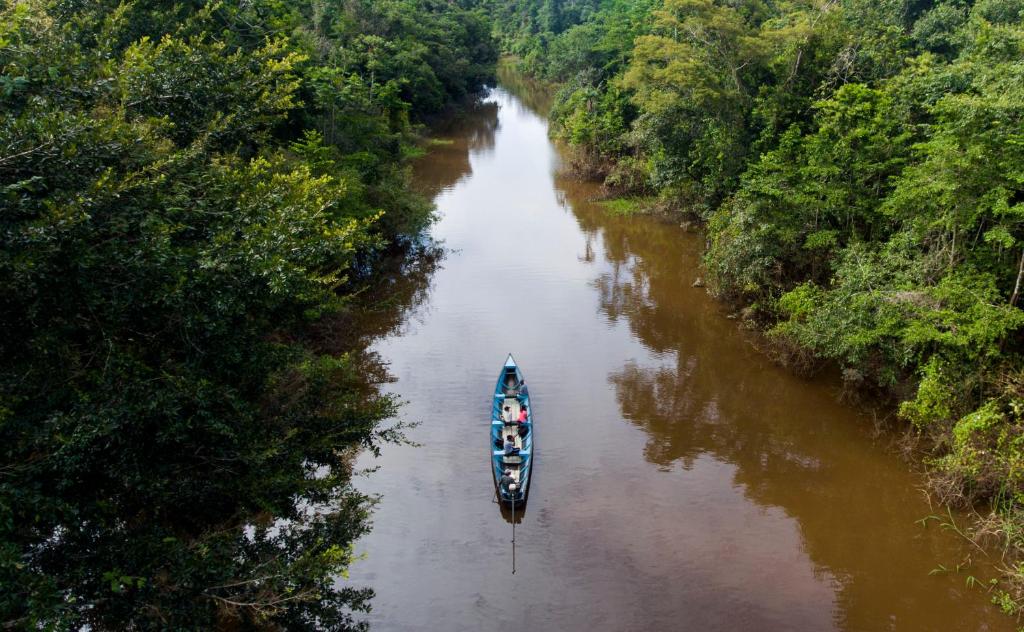
What is the best travel time for Colombia in terms of climate?

What is the best travel time for Colombia in terms of climate?

Home 9 Author archive for J ( Page 7 )

Colombia is a fascinating country with a wide variety of landscapes, climates and activities. From tropical beaches on the Caribbean coast to the green hills of the Coffee Triangle and the mysterious rainforests of the Amazon, Colombia has it all. But what is the best time of year to visit the country? In this article, we explain Colombia’s climate and give you tips to make the most of your trip.


The climate in Colombia

Colombia is close to the equator, giving the country a tropical climate. This means that temperatures remain fairly constant throughout the year, depending on the altitude and region where you are. In Colombia, instead of four seasons, there are actually two:

  • The dry season (verano): This season runs from December to March and from July to August.
  • The rainy season (invierno): This season runs from April to June and from September to November.

Although the dry season sounds ideal, the rainy season also offers unique advantages, such as an exuberant green landscape and fewer tourists.

Here you will find everything you need to know about Colombia’s climate, best travel time by region and tips.

Best travel time by region

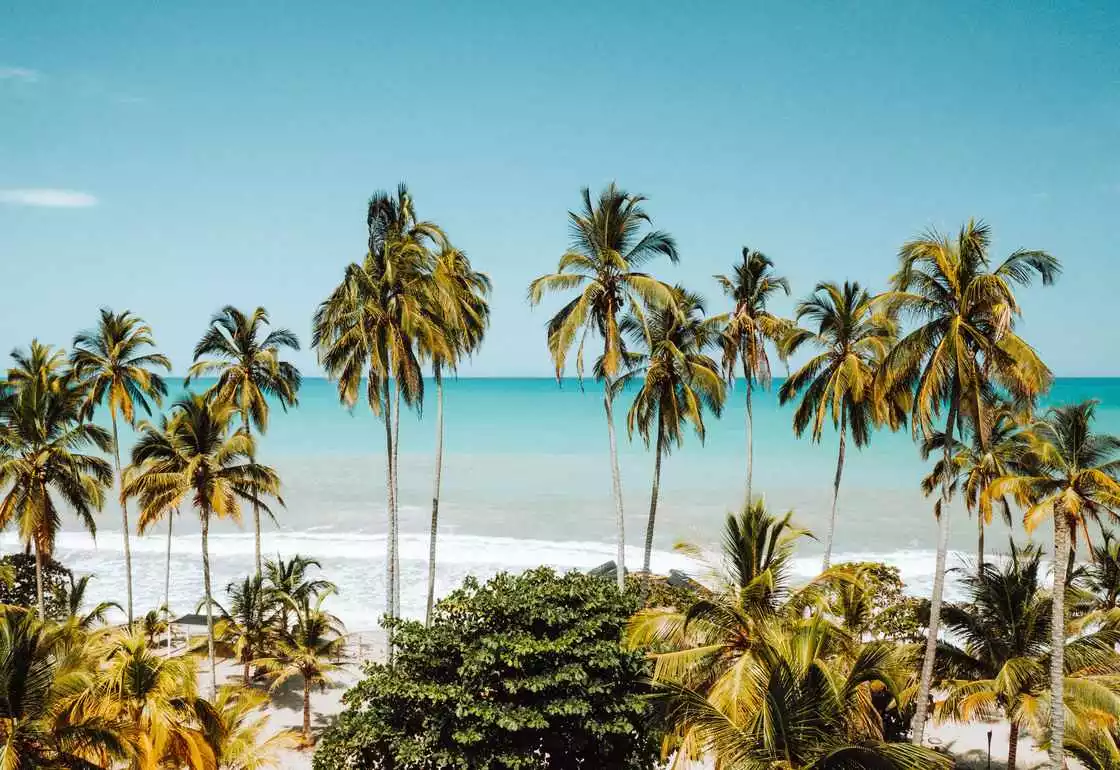
    1. Caribbean coast (Cartagena, Santa Marta, Tayrona, La Guajira).

    The Caribbean coast is warm and sunny year-round, with temperatures between 25 and 30 degrees. The dry season (December through March) is the most popular, as this is when there is little rain and the beaches are at their most beautiful. October and November see the most rain.

    Tips:

    • Going to Tayrona National Park, keep in mind the annual closure dates. In 2024, Tayrona will be closed from Feb. 1 to Feb. 15, June 1 to June 15 and Oct. 19 to Nov. 2.
    • Visit Cartagena in January or February/March when the weather is perfect and you can enjoy the Hay Festival, (an international arts festival) or the Carnaval de Barranquilla.
    • Going to the islands of San Andres and Providencia, keep in mind that these islands are located in the southern part of the hurricane belt. Het orkaanseizoen loopt van juni t/m november, maar orkanen komen in het Caribisch gebied het meest voor vanaf augustus.
    • If you go to La Guajira go, avoid the months of May, October and November, when the roads quickly become impassable due to rain.
      2. The Andes Mountains (Bogotá, Medellín, Cali).

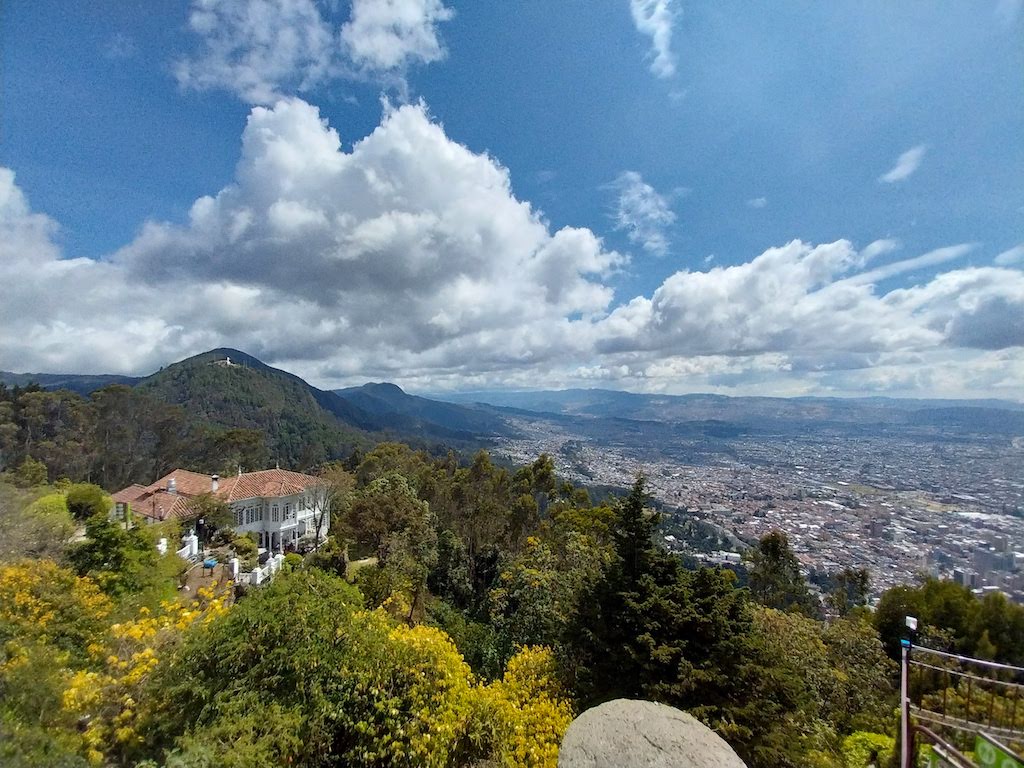
      In the Andes, the climate is highly dependent on altitude:

        • Bogotá (high altitude): Cool with average temperatures around 15 degrees. The driest months are December through February and July and August.
        • Medellín (the “city of eternal spring”): Always pleasant, with temperatures around 22-24 degrees. The dry season (December to March) is ideal for activities
        • Cali(the city of salsa): Cali is located in a valley. It is hot during the day (around 32 degrees) and the sun is bright. At night, a refreshing breeze provides some cooling. The temperature is about the same throughout the year

      Tips:

      • Plan your visit during the Flower Festival (Feria de las Flores) in Medellín in August!
      • Go to Cali in September for the Festival Mundial de Salsa or around Christmas and New Year, for the Feria de Cali.
      • Around Christmas, also visit Monserrate in Bogotá and Medellín, which is known for its extravagant Christmas decorations ” El Alumbrado”
      3. Eje Cafetero (Coffee Triangle: Manizales, Pereira, Armenia)

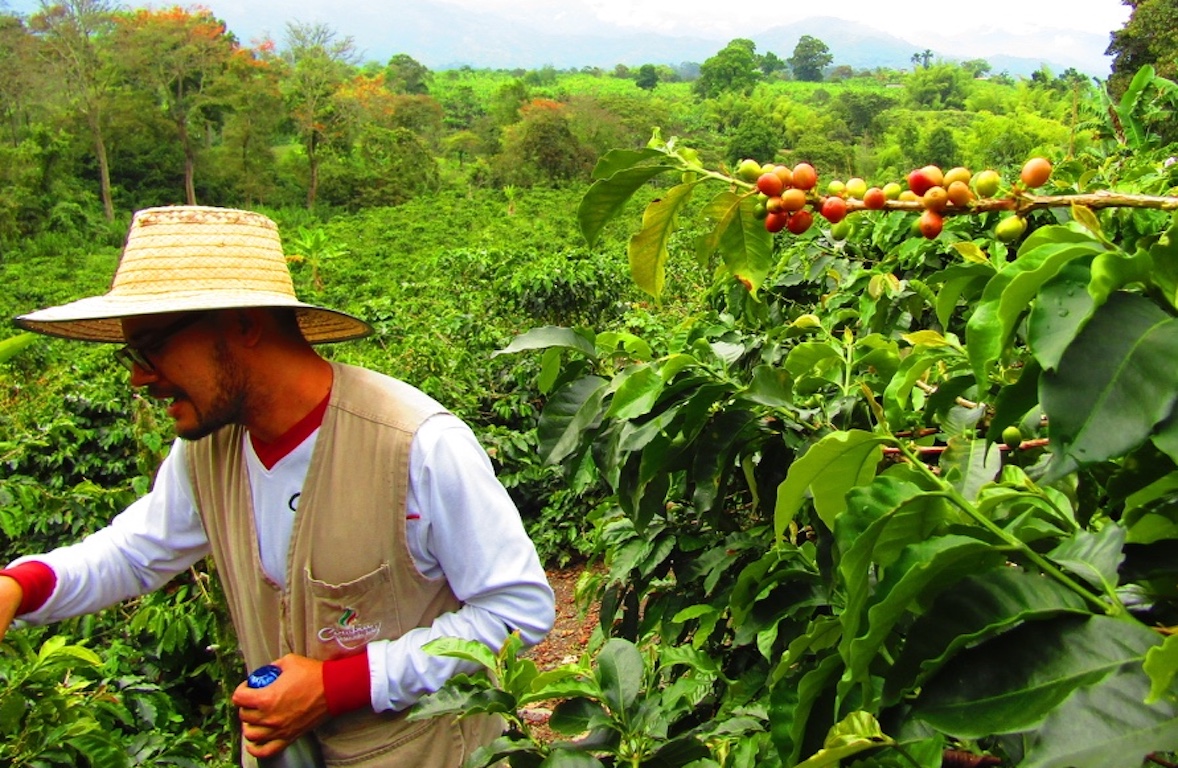
      The coffee region has a temperate climate, with an average temperature of around 20 degrees. It can get nice and warm during the day and cool off at night. The driest months are December through March and July and August, perfect for visiting coffee plantations and picturesque villages such as Salento and Filandia to visit.

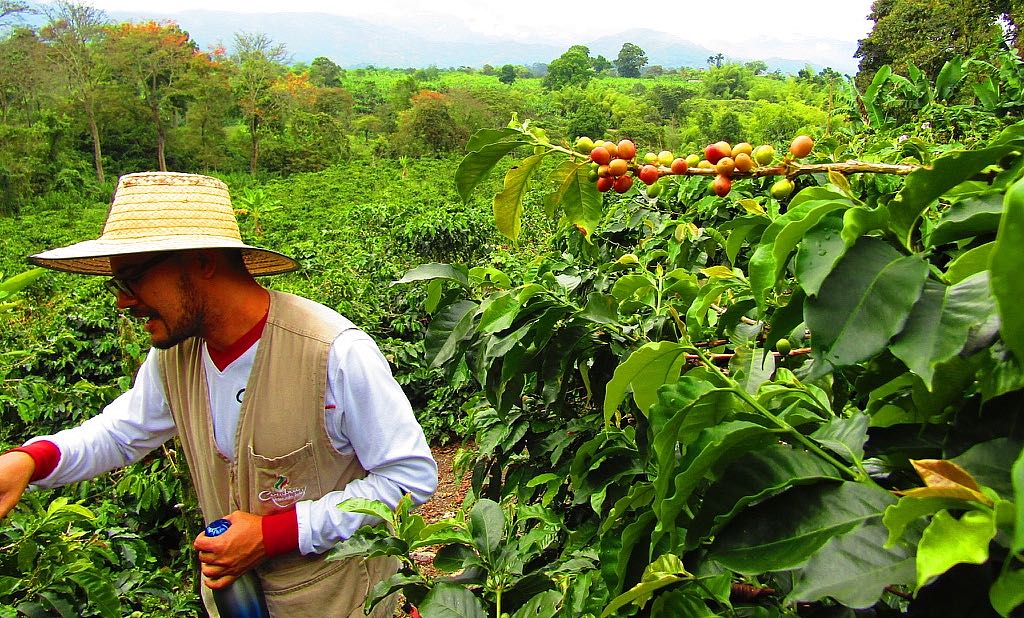
      Tip: Visit this region in October or November to see the coffee harvest up close!
      4. The Amazon (Leticia, Puerto Nariño).

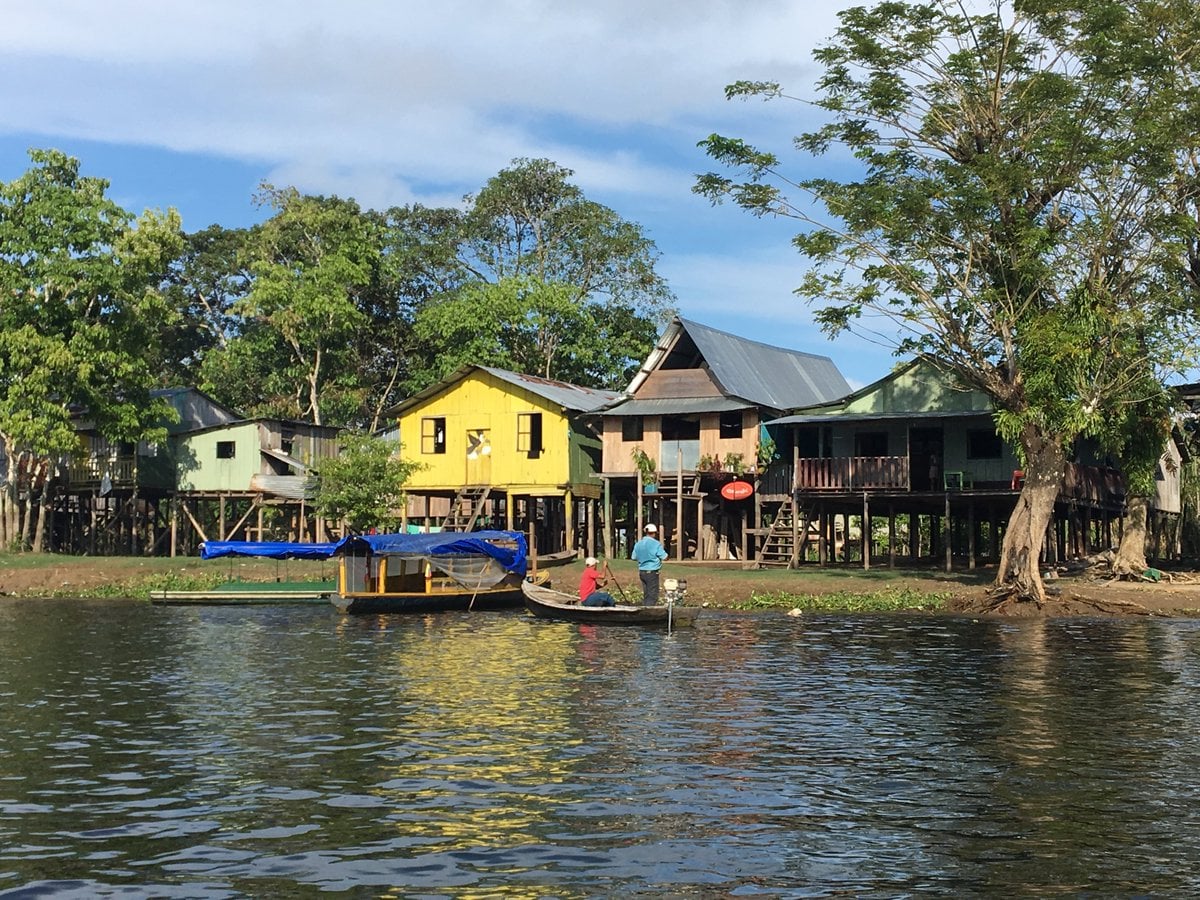
      The Amazon is humid and hot, with temperatures around 30 degrees. The hottest period is from August through November. The Amazon has a season of low water (June through November) and high water (December through May). With the high water, the river can be as much as 10 meters higher! The low-water period is perfect for trekking and animal spotting. The weather is drier with occasional showers. The high water actually offers the chance to explore rivers that are passable only then, an ideal season therefore for boat trips, kayak trips, waterfowl watching and dolphin sightings in Lake Tarapoto.

      Tips:

      • Always bring light, breathable clothing and a good raincoat, regardless of the season.
      • Most rain falls in the month of March.
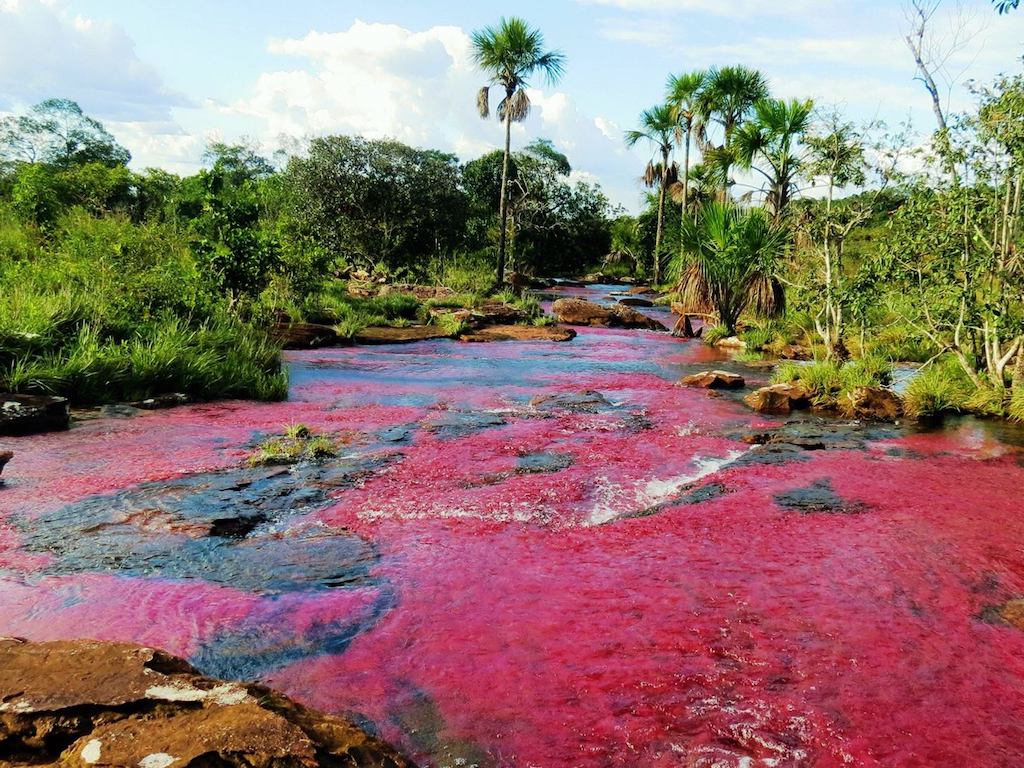
      5. The llanos orientales (Caño Cristales, Casanare, San José del Guaviare).

      In the lowlands of Colombia it is hot and humid. The average temperature is around 27 degrees. The period from December to February is the driest and hottest. This is a good period to spot animals in Casanare, when animals gather at the water holes. The rainy season (June to November) is the best period to see the pink rivers in Caño Cristales and San José del Guaviare. Outside the rainy season, the rivers are dry.

      Tip: If you go to the Llanos Orientales between June and November, the best chance for good weather is from July through September. There are fewer cloudy or rainy days then.
      6. Chocó (Pacific)

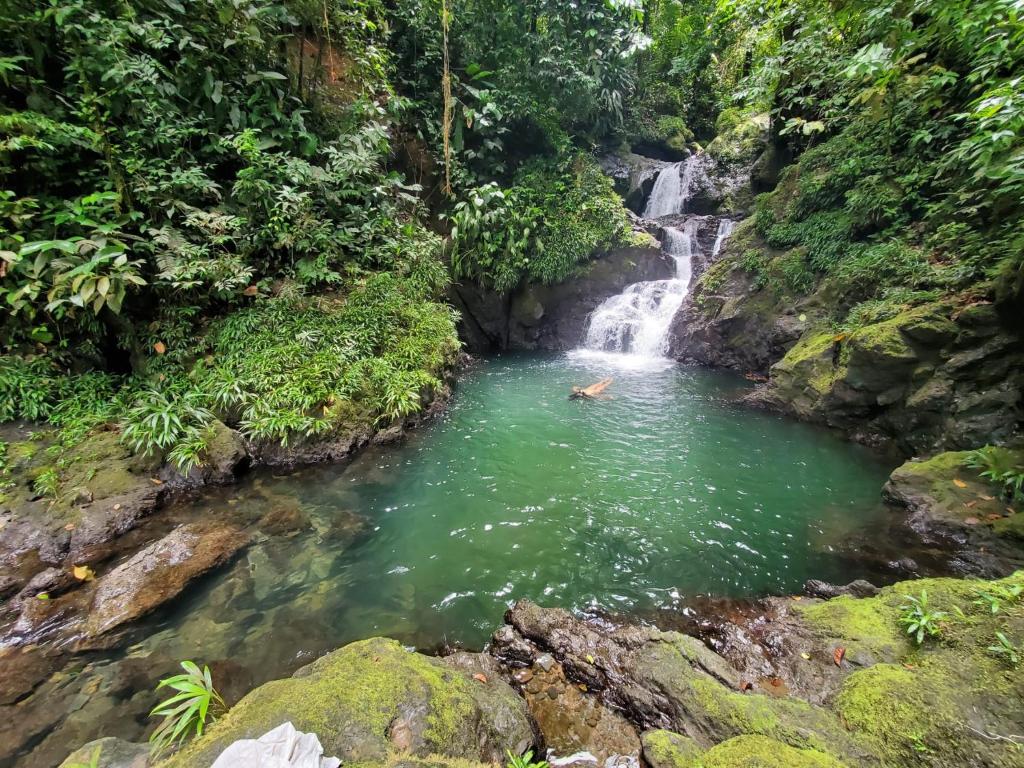
      The region Chocó is one of the wettest places in the world, which makes for exuberant nature with dense jungle. It has the most sunshine and the least rain from January through March. This time is perfect for hiking in the jungle, taking boat trips and diving and snorkeling. The average temperature is around 26 degrees.

      Tip: For a unique experience, head to Nuquí or Bahía Solano and El Valle to spot whales off the coast. During this period, humpback whales come to the Colombian coast to give birth to little ones.
      General tips for planning your trip


      Now that you know all about Colombia’s climate, the planning of your trip can begin. Here are some general tips:

        • Avoid the high season if you can: December to February and the week of Easter (Semana Santa) are busy periods. Book accommodation and tours well in advance if traveling during these periods
        • Check festivals and events: Colombia has many unique festivals that guarantee an extraordinary cultural experience!
        • Check the travel guides by destination for events in your favorite region and specific weather information
        • Prepare for rain: Even in the dry season, you can expect a rain shower. Bring a light raincoat.
        • Read articles with helpful tips for planning your trip to Colombia, including information on vaccinations, safety and more.

      Conclusion

      The best travel time for Colombia depends on the region you want to visit and the activities you want to do. In general, the dry months (December-March and July-August) are ideal for most destinations, but the rainy season can also be fine thanks to the beautiful green landscape and fewer tourists.

      Whether you want to explore the beaches of Cartagena, taste coffee in the coffee region, or go on an adventure in the Amazon, Colombia is a fantastic destination all year round!

      Plan your trip to Colombia today and discover why this country continues to surprise so many travelers!
      The best routes to discover Colombia

      The best routes to discover Colombia

      Home 9 Author archive for J ( Page 7 )

      A country of stunning contrasts, Colombia offers everything from tropical beaches and colonial cities to lush jungles and impressive mountain landscapes. To help you get the most out of your trip to Colombia, we’ve compiled some of the best itineraries in Colombia for you. Whether you’re planning a short visit or a longer vacation, these itineraries offer the perfect blend of culture, nature and adventure.

      1. Classic Tour: From the Andes to the Caribbean Sea (10-14 days)

      Highlights: Bogotá, Villa de Leyva, Medellín, Cartagena, Tayrona National Park.

      Start your journey in Bogotá, the capital of Colombia, with a visit to historic La Candelaria and the famous Gold Museum. Then travel to Villa de Leyva, a charming colonial town surrounded by mountains.

      Fly from Bogotá to Medellín, the city of eternal spring, and discover the transformation of this dynamic city. Finish your trip on the Caribbean coast with a visit to Cartagena, a UNESCO World Heritage city and hike to the spectacular beaches of the Tayrona National Park.

      Practical Tips:

      2. Adventure Route: Jungle, mountains and culture (14-18 days)


      Highlights:
      Bogotá, San Agustín, Popayán, Cali, Eje Cafetero, Medellín.

      Start in Bogotá and travel south to San Agustín, famous for its archaeological parks and mysterious statues. Continue to Popayán, the white city, and then visit Cali, the capital of salsa.

      Visit the Eje Cafetero (coffee region) with villages like Salento and Filandia for an authentic coffee experience and finish in Medellín with a visit to the surrounding villages such as Jardin and Guatapé.

      Practical Tips:

      • This route is great to do by bus. Bus transportation is well organized, with several buses each day.
      • Plan a coffee tour with local farmers for a unique experience.

      3. Caribbean coast and tropical beaches (7-10 days)

      Highlights: Cartagena, Rosario Islands, Santa Marta, Minca, Tayrona National Park

      For those who love sun, sea and relaxation, this itinerary is perfect. Explore the colorful streets of Cartagena and take a day trip to the Rosario Islands for crystal clear waters and white sand beaches.

      Next, travel to Santa Marta and discover the charming mountain village of Minca, where you can hike, visit coffee plantations and enjoy breathtaking views. In Tayrona National Park you can visit beautiful beaches, which you reach after a hike through the jungle.

      Practical Tips:

      4. The Amazon Adventure (5-7 days).

      Highlights: Indigenous culture, Amazon rainforest, Puerto Nariño

      For nature lovers, a trip to the Amazon a unique experience. Start in Leticia, the gateway to the Colombian Amazon, and take boat trips along the river. Visit Puerto Nariño and one or more indigenous communities and experience the interesting culture.

      Practical Tips:

        • Get vaccinations (such as yellow fever) before your departure. Look here for more information on vaccinations
        • Bring flashlight, breathable clothing and a good anti-insect spray.

      5. Off the beaten track route: southern Colombia (10-12 days)

      Highlights: Pasto, Las Lajas Sanctuary, Popayán, Tierradentro.

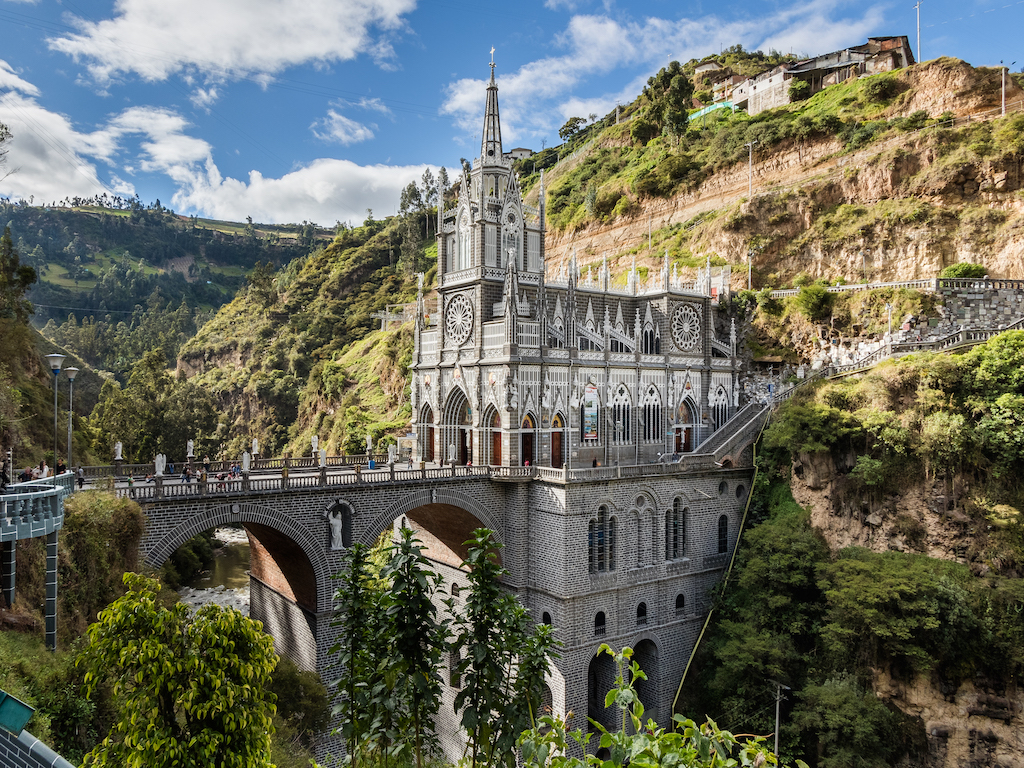
      This route takes you through lesser-known but breathtaking destinations. Start in Pasto and visit the impressive Las Lajas Sanctuary, built on a bridge above a gorge. Continue to Popayán and discover the archaeological park of Tierradentro, which is famous for its underground tombs.

      Practical Tips:

      • This region is ideal for travelers who want to avoid the crowds.
      • Hire a local guide for a better understanding of the archaeological sites.

      Why Colombia is perfect for international travelers


      1. Direct flights: There are lots of direct flights connecting North America and Europe with Colombia. A trip to Colombia is also good to combine with a tropical Caribbean vacation to for example the ABC islands Aruba, Bonaire and  Curacao. There are good flight connections and frequent flights between the ABC islands and Bogotá, Medellín and Barranquilla.
      2. Varied climate: From cool mountain air to tropical heat, there is something for everyone.
      3. Authentic Experiences: Colombia offers a unique blend of culture, nature and hospitality.

      Plan your trip smartly: Combine multiple itineraries to get the most out of your stay in Colombia. Remember to check travel insurance and any required vaccinations before you leave. Check the climate and the best time to travel and inform yourself about actual travel advice and safety in the destination of your choice.

      View even more great routes to discover Colombia. Do you like traveling off the beaten path? Then read here tips for still unknown destinations in Colombia, away from the masses.

      Salento or Filandia? Which destination suits you?

      Salento or Filandia? Which destination suits you?

      The Eje Cafetero, Colombia’s coffee region, is one of the most beautiful and visited areas of the country. Two of the most popular villages here are Salento and Filandia. Even thought they are just about 30 minutes apart, both villages offer unique experiences. So, how do you choose the destination that fits you best? In this article, we compare Salento and Filandia based on atmosphere, activities, accessability and more. 

      1. Atmosphere and charm

      • Salento: This village is the most famous in the Eje Cafetero and attracts many tourists. The center is lively, colorful and full of restaurants, cafes and souvenir stores. The main street, Calle Real, is often crowded, but it buzzes with energy.
      • Filandia: Filandia is quieter and a little less touristy, but at least as charming. The village square is surrounded by traditional coffee houses and local restaurants. Here you will experience a more authentic Colombia without the big crowds.

      Conclusion: Looking for vibrancy and hustle and bustle? Choose Salento. Want tranquility and an authentic atmosphere? Go to Filandia.

      2. Access to nature

      • Salento: Salento is the gateway to the famous Valle de Cocora, home to the tallest wax palms in the world, the palmas de cera. Here you can make beautiful hikes and enjoy breathtaking views.
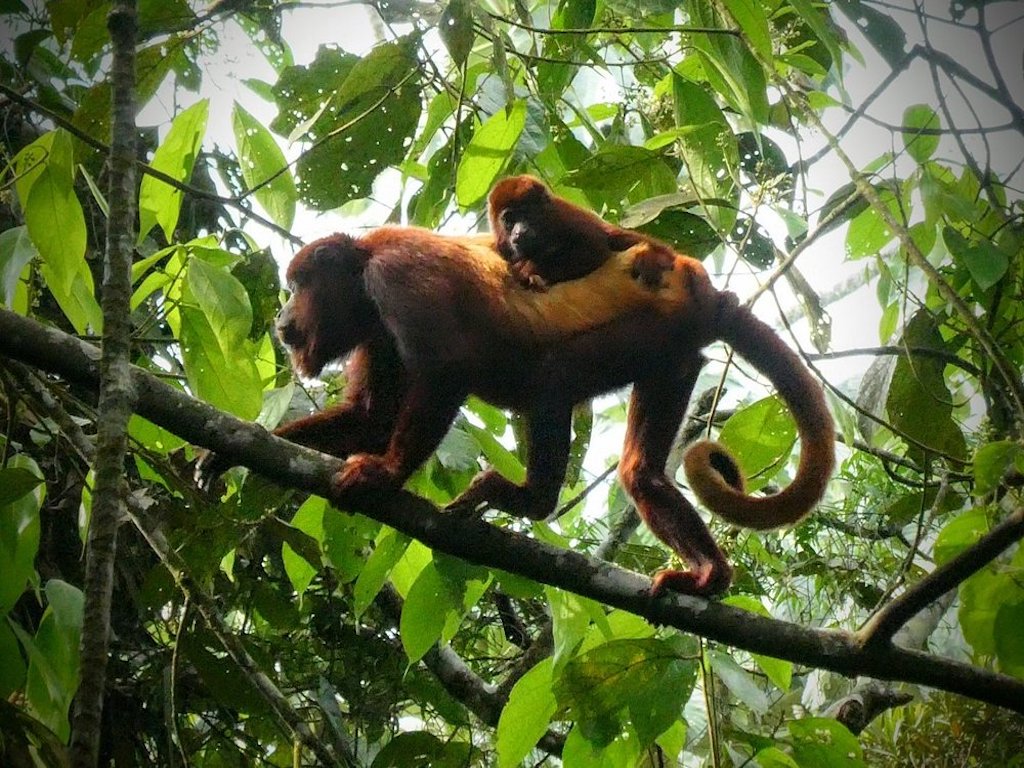
      • Filandia: Filandia offers access to lesser-known but beautiful natural areas such as the Barbas-Bremen Canyon, a nature reserve where you have the chance to spot howler monkeys and rare birds.

      Conclusion: For iconic nature and well-known attractions, Salento is the favorite but for a quiet and unique nature experience, Filandia is ideal.

      3. Activities and places of interest

      Salento: Besides the Valle de Cocora, in Salento you can also visit coffee fincas, go horseback riding, bird watching, hiking and mountain biking. Activities are easy to book, such as at one of the small travel agencies or hostels or online.

      Filandia: In Filandia, you can also do these activities and tours, but the activities are less visible -less promoted- than in Salento. Filandia adds unique activities, such as a visit to the observation tower Mirador de Filandia, which offers panoramic views of the surrounding valleys. At one of the small museums / workshops you can learn more about the rich tradition of Filandia, including the tradition of making the traditional canasto.

      Conclusion: Both villages offer fun activities, but Filandia adds some extra, authentic experiences. On the other hand, the activities in Salento are easier to book.

      4. Accessibility

      • Salento: Salento is easier to reach from the major cities of Pereira and Armenia. There are direct buses and the roads are well maintained.
      • Filandia: Although Filandia is also easily accessible, it may take a little longer to get there from certain cities, such as Pereira.

      Conclusion: If you are limited in time, Salento is more practical.

      5. Food and drink

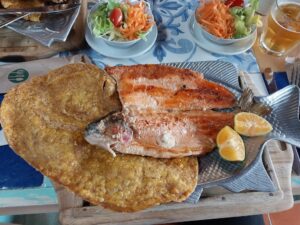
      • Salento: Here you will find a wide range of international restaurants, local food stalls and cozy cafes. Be sure to try the Trucha with patacones, a local dish.

      • There are also several options in Salento for people with special dietary needs such as vegan and vegetarian food.
      • Filandia: Filandia has fewer restaurants, but the quality and authenticity are excellent. Many places serve dishes with ingredients from the region. There are restaurants that serve vegetarian dishes, but the choice is a lot more limited.

      Conclusion: For more choice, go to Salento, but for an authentic meal, Filandia is a top choice.

      6. Accommodation options

      Practical tip: it can be useful to know, that the city center of Filandia is flatter and easier to walk than Salento.

        Which one do you choose?

        If you like a lively atmosphere, iconic nature such as the Valle de Cocora and a wide range of facilities, Salento is the perfect choice. But if you want an authentic experience, tranquility and unique views, then Filandia a destination not to be missed.

        Why not combine both? Their proximity makes it easy to experience the best of both worlds during your journey through the Eje Cafetero.

        Check our travel guides Salento and Filandia for more information on these two unique destinations in the coffee region of Colombia.

          Colombia as a safe destination: How to enjoy your trip without worries

          Colombia as a safe destination: How to enjoy your trip without worries

          Home 9 Author archive for J ( Page 7 )

          Colombia has become a popular vacation destination in recent years, and for good reason. The country offers beautiful nature, vibrant cities and a rich culture. Yet many travelers wonder: is Colombia safe? In this article, we share practical tips and information so you can enjoy all that Colombia has to offer carefree.

          1. Is Colombia safe?


          The security situation in Colombia has improved significantly in recent decades. Cities such as Bogotá, Medellín and Cartagena have invested in infrastructure and security, attracting more and more tourists. As with other destinations, it is important to stay alert and follow basic safety rules.

          2. Preparation: safety begins at home


          Before you travel, there are several steps you can take yourself:

          • Read our extensive article on safety and travel advice for Colombia
          • Check travel advisories: Visit the official website of your countries embassy or Foreign affairs for the most up-to-date travel advisories. A useful website with lots of information about the safety in Colombia, is the website of the American embassy in Bogotá, who informs her citizens about security alerts. Here you can read the travel advice from the Canadian government and the United Kingdom
          • Travel insurance: Get good travel insurance that provides medical coverage.
          • Vaccinations: Be informed about recommended vaccinations, such as yellow fever and hepatitis. Read more information about vaccinations and medical care in Colombia here.

          4. Practical tips for traveling safely in Colombia


          Follow these simple guidelines to make your trip smooth and safe:

          1. Avoid traveling at night: Prefer to travel during the day, especially when traveling between cities.
          2. Use official cabs or apps: Apps such as Uber, Didi or Cabify are safer than hailing a cab on the street.
          3. Be discreet with valuables: Leave expensive jewelry and large amounts of cash in your hotel safe.
          4. Learn some basic Spanish phrases: This will not only help you communicate with locals, but can also come in handy in emergency situations.
          5. Stay on the tourist trails: Avoid remote areas that are not popular with tourists.

          5. Colombian hospitality and culture

          One of the biggest reasons Colombia feels safe for tourists is the friendliness of the locals. Colombians are known for their hospitality and will often be willing to help you if you have questions.

          6. What to do in case of emergency?


          Should you find yourself in an unforeseen situation, here are some helpful tips:


          • Police: Call 123 for assistance.
          • American Embassy: Note the addresses and phone numbers of the international consulates and embassies
          • Local help: Ask for help from staff in hotels or hostels; they often have good knowledge of the region.

          Conclusion

          Colombia is a wonderful destination that is attracting more and more travelers. With the right preparation and a few safety precautions, you can enjoy all that this diverse country has to offer carefree. Don’t be put off by old stereotypes, and discover for yourself why Colombia is known as the land of magical realism.

          Here you will find more tips for safe travel in Colombia. Specific information about safety per city or region can be found in our travel guides per destination

            All about Pijao-What to do and tips

            Home 9 Author archive for J ( Page 7 )

            About Pijao

            Pijao is an authentic coffee village in the Colombian coffee region, an hour’s drive from Armenia in the district of Quindío. The colorful village was founded in 1902 and is home to over 7,000 people, some 4,000 of whom live in the countryside. Pijao is at an altitude of 2,600 meters and the air is pure and fresh.

            Pijao is a UNESCO World Heritage Site and has another special title in addition to this status. The village has been recognized by the ” Cittaslow” organization namely designated a “slow village.” In a slow village, the local government and the community work together to promote sustainability and quality of life. And with the quality of life, we believe there is nothing wrong with Pijao.

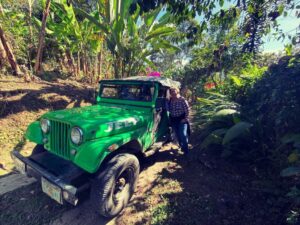
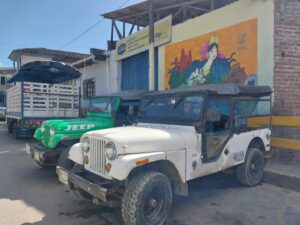
            This is a village where you can enjoy the tranquility and observe local life, without the crowds of villages on the tourist route such as Salento and to a lesser extent Filandia. So if you love nature and traditional villages, this village is definitely worth a detour. It is also one of the best places in the coffee region for bird watching. Special accommodation can be found on one of the fincas outside the village. In the village itself there are a few hostels and hotels. Transportation between Pijao and the fincas is by Willy Jeep “taxi.”

            Can you see yourself chilling out in this traditional coffee village? Then read our travel guide with information and tips on activities and fun things to do, transportation, restaurants and the best hotels in Pijao.

            Our tips

            What to do in and outside of Pijao

            Pijao is off the beaten track and so are some of the activities you can do around Pijao, such as hiking in the paramo scenery, on high altitudes. There are also a number of fun things to do in the village itself and in nearby Buenavista. Here are our tips for the best things to do in Pijao.

            1. Explore the colorful city center

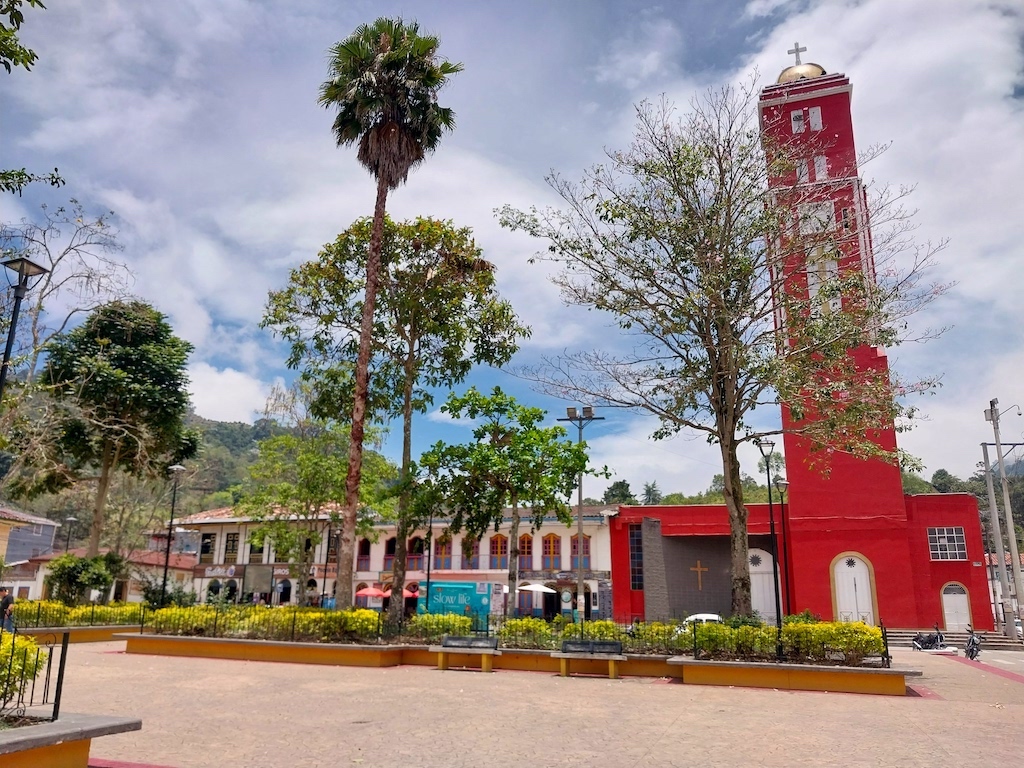
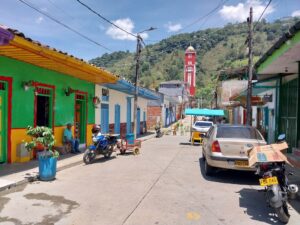
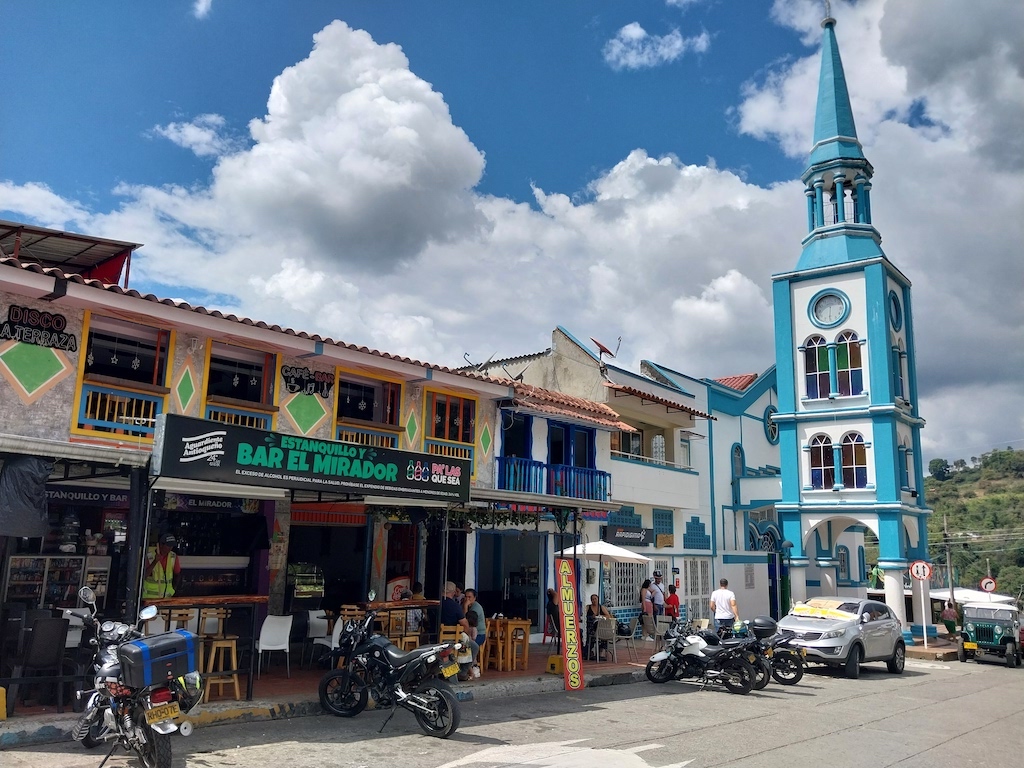
            It’s great fun to take your time exploring the village, starting with the Plaza Principal. The red church San José de Pijao is the focal point of the central plaza and around the plaza you will see beautifully renovated houses in colonial style.

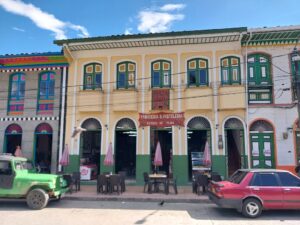
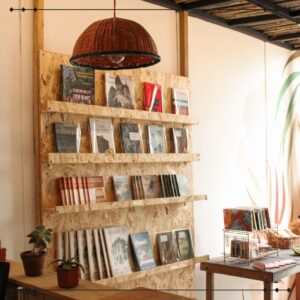
            From a terrace you can best observe local life: jeeps and trucks passing with bags of coffee beans and “campesinos” who come there to eat or drink after hard work in the fields. In the side streets you will find quaint stores and businesses where you can have a cup of coffee, fresh juice or craft beer. A nice little store to look around is El Portón on Calle 11 #5-42. Here you will find beautiful books and natural products produced locally.

            It also sells clothing by local designers. Tip: head to the village during the morning and stay for lunch. Check here the nicest restaurants and cafes in Pijao.

            2. Stroll down the Calle del Cafe

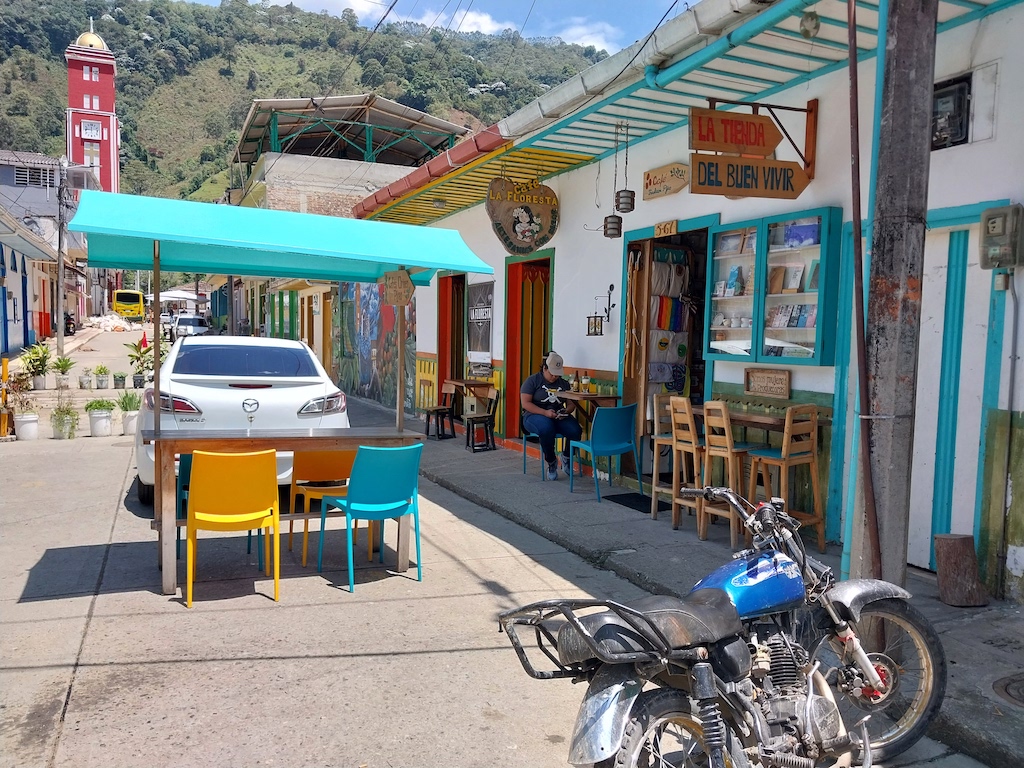
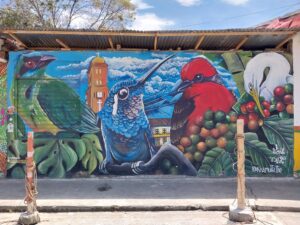
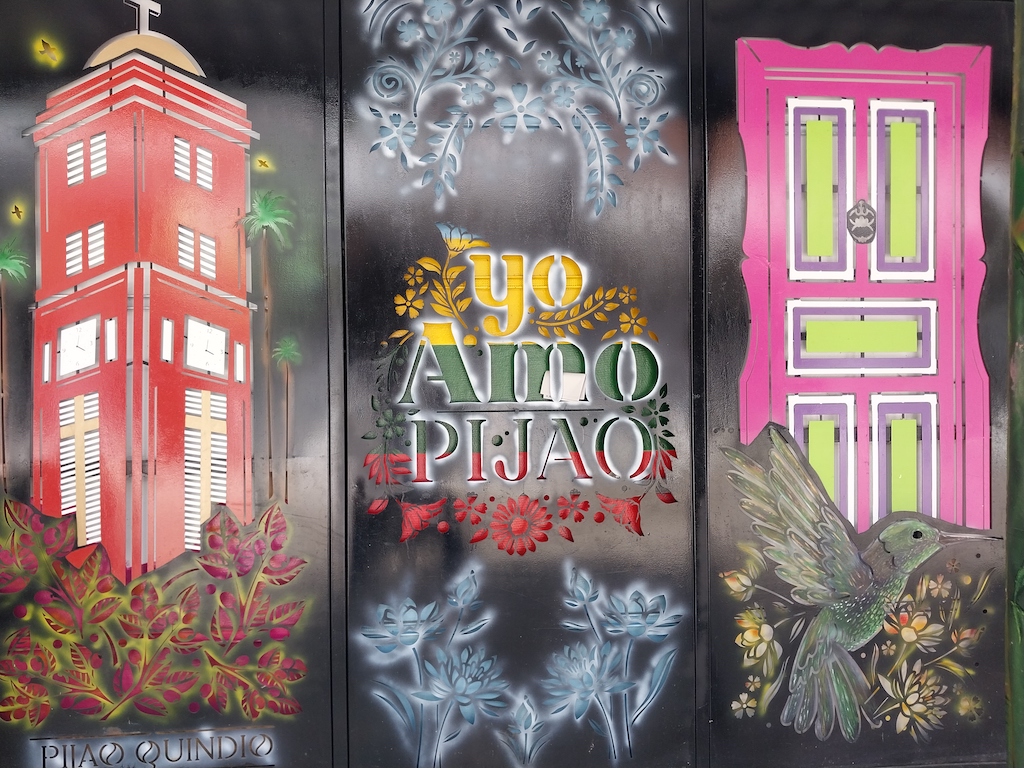
            Pijao “breathes” coffee and at the cafes you can order a cup of coffee, made with care. In the Calle del Café (Calle 11) you can find café La Floresta. Local, organic coffee has been produced here for 30 years. La Tienda del buen vivir is next to La Floresta and here they sell coffee produced exclusively by women. The Calle del Café is a cozy little street, full of color and beautiful murals.

            If you want to know more about coffee -from bean to cup-, do a coffee tour in the village of Buenavista which is near Pijao (see tip 7)

            3. Take a walk in the forest around Pijao

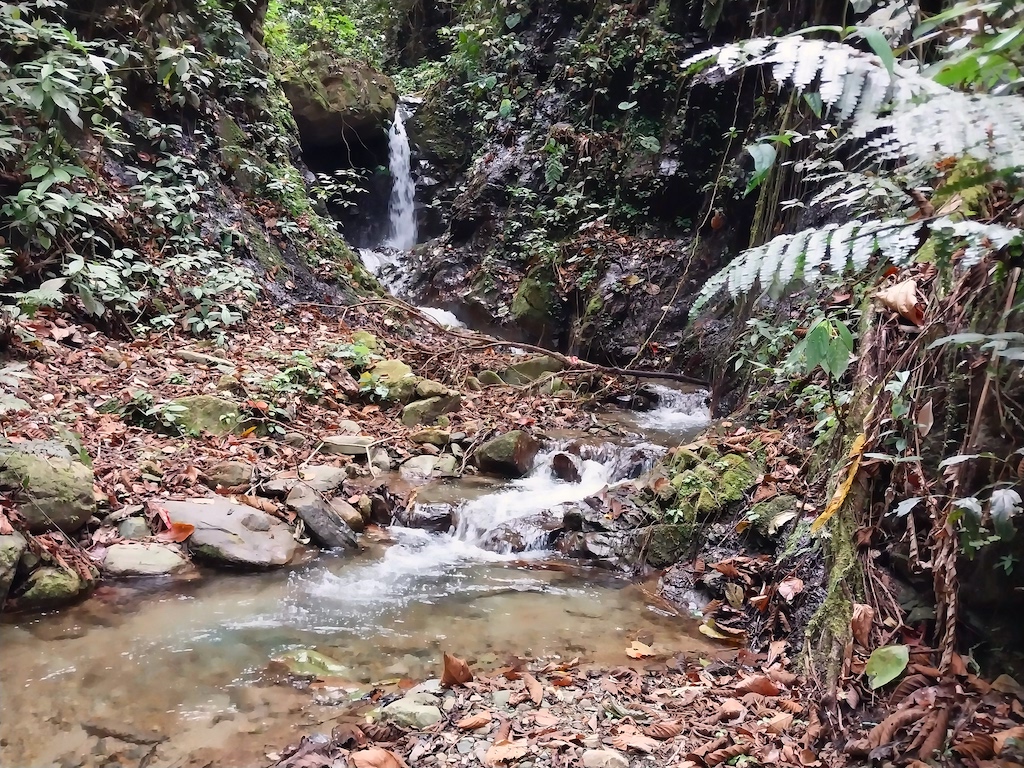
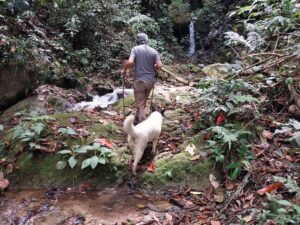
            From our hotel Finca Tradicional El Otoño we made a short hike to a small waterfall in the tropical rainforest. The first part of the hike was over the plantation with coffee plants and banana trees, then the landscape changed to tropical rainforest. Nature was beautiful: huge ferns, meter-long lianas and ancient trees. If you want to do more extensive hikes, check tips 9 and 10.

            4. Spot the colorful birds

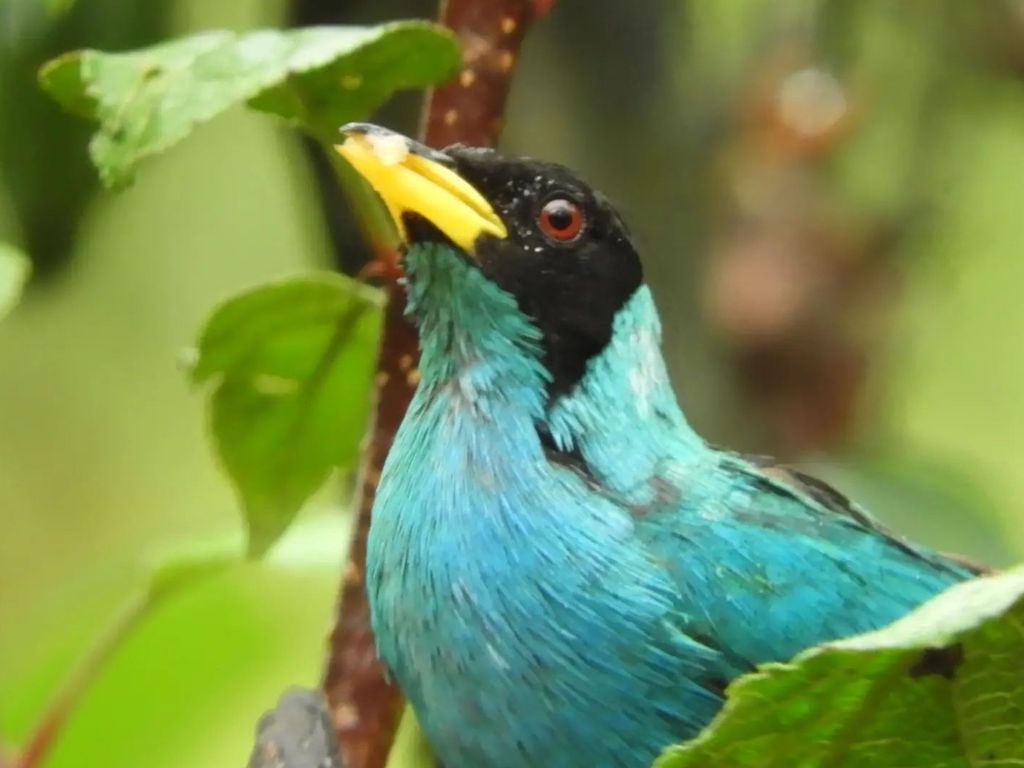
            From the hammock of our finca, we could already spot many beautiful birds, but with a tour with a specialized guide you have the best chance to spot birds. Tour operator Bio-Onda tours is an expert in this field. Check their Instagram for more info. A good place in Pijao for bird watching is Casa Solaz, see tip 5.

            5. Pay a visit to Doña Olga at Casa Solaz

            Cra. 4 #9-15

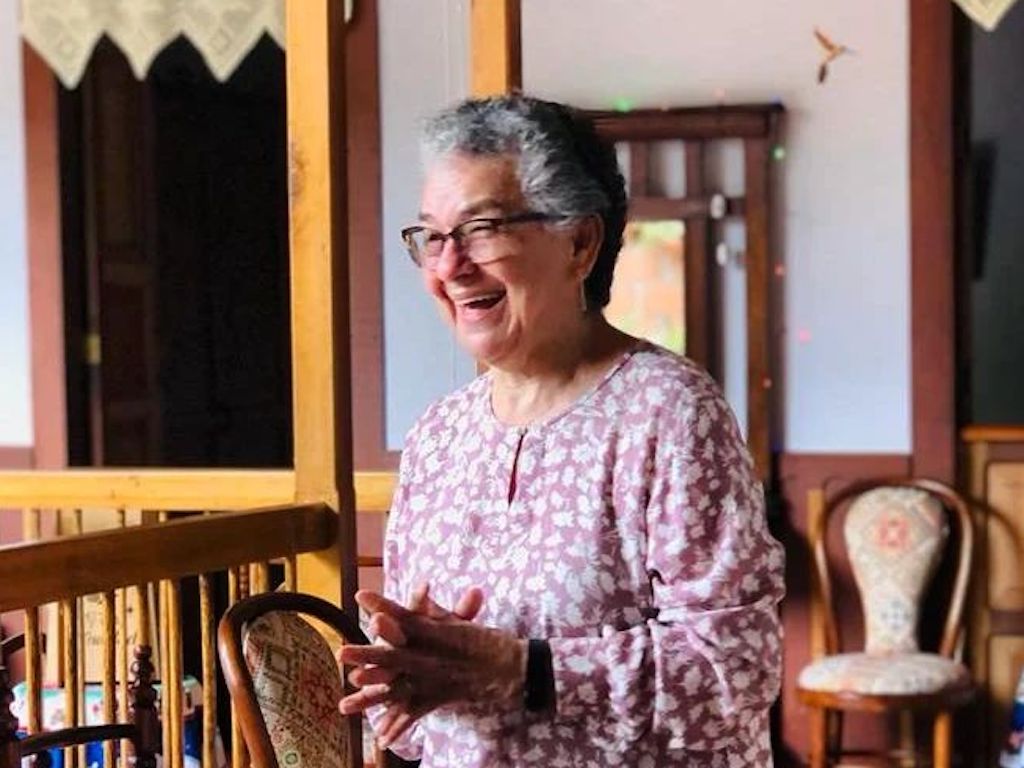
            Here you can discover a whole other world without leaving Pijao. Owner Olga welcomes you with open arms in her traditional -more than 100 years old- house, which she has restored. Each room in the house has its own story, which the owner is happy to tell you. Besides learning about local traditions and culture, you can also enjoy the beautiful garden, which is home to 70 different species of birds. Reservations are necessary and can be made by calling +573108491829. More info can be found on Casa Solaz’s Instagram page or Bio-Onda tours.

            6. Learn all about medicinal plants at El Patio

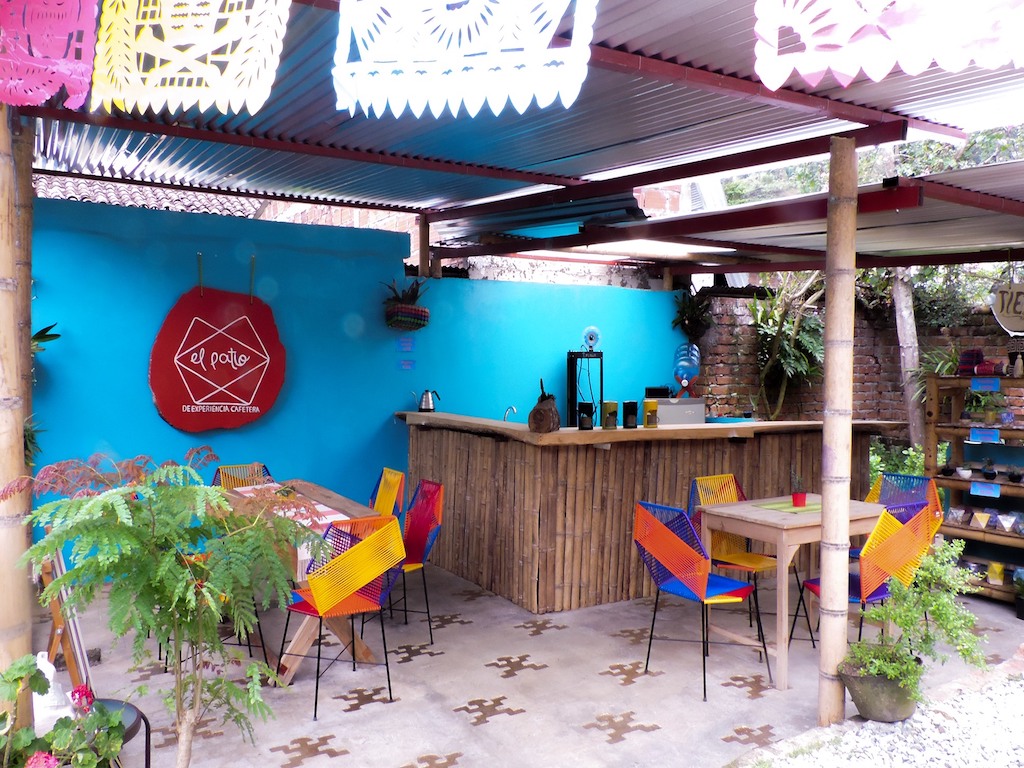
            At Vivero El Patio on Cl. 10#10-22 Doña Ligia grows and sells medicinal plants and herbs and she is happy to tell you all about their use. On the cozy terrace you can taste one of the different kinds of herbal teas that are prepared for you with love.

            7. Take a side trip to Buenavista

            Buenavista is a small traditional village located 12 kilometers from Pijao. A Willy Jeep will get you there in half an hour. Buenavista is mainly put on the map by Hacienda San Alberto. The coffee beans from their plantation are among the best in Colombia, which is why many coffee lovers like to make a detour to Buenavista. Here find more information about Buenavista and Terraza San Alberto.

            9. Visit a palm grove (without the many tourists)


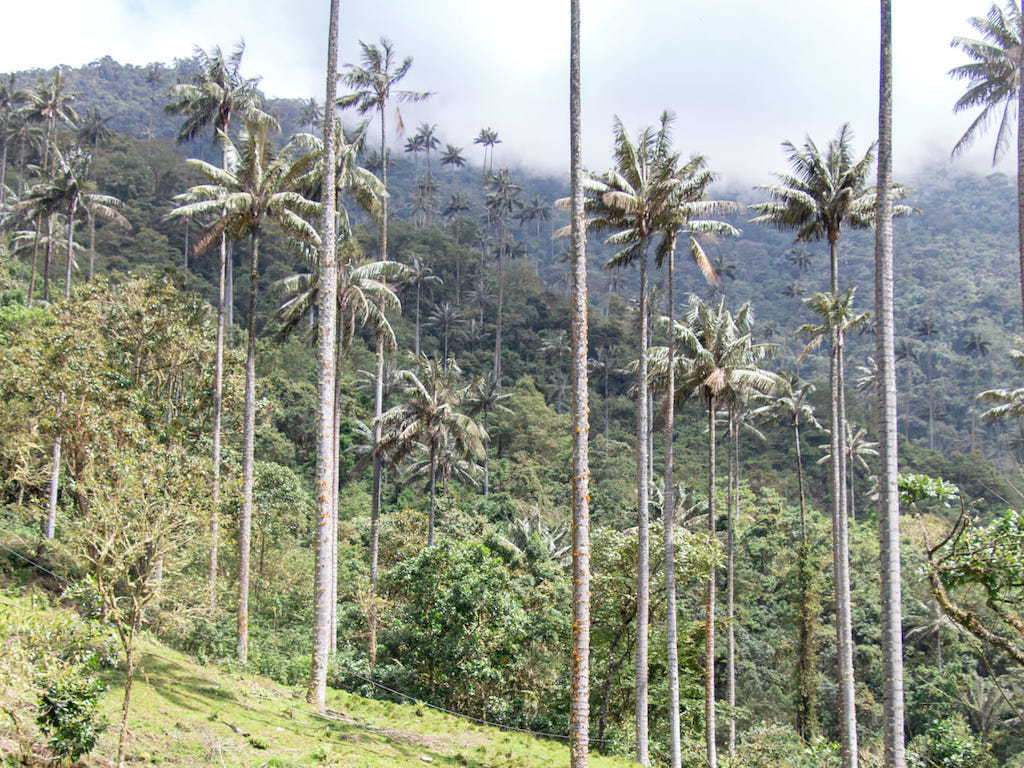
            Almost everyone who goes to the coffee region knows the Valle Cocora, the valley with the famous palmas de cera, the national tree of Colombia. Pijao has its own palm forest, which you can visit with a guide, including Kevin, of ecotours Pijao. Kevin can be reached at +573197750694.

            8. Go paragliding

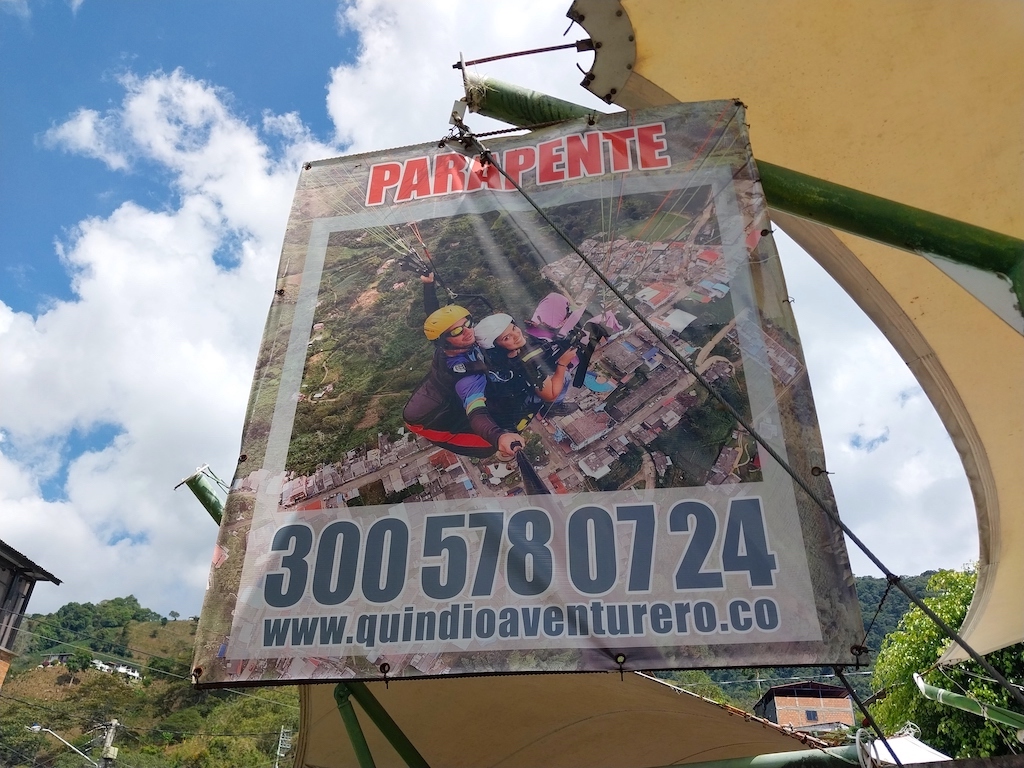
            It’s not just coffee that rings the bell in Buenavista. You can also paraglide there, for example. We did not do this, but the driver who took us to Buenavista could heartily recommend this tour operator.

            10.Hike to the Paramo de Chile


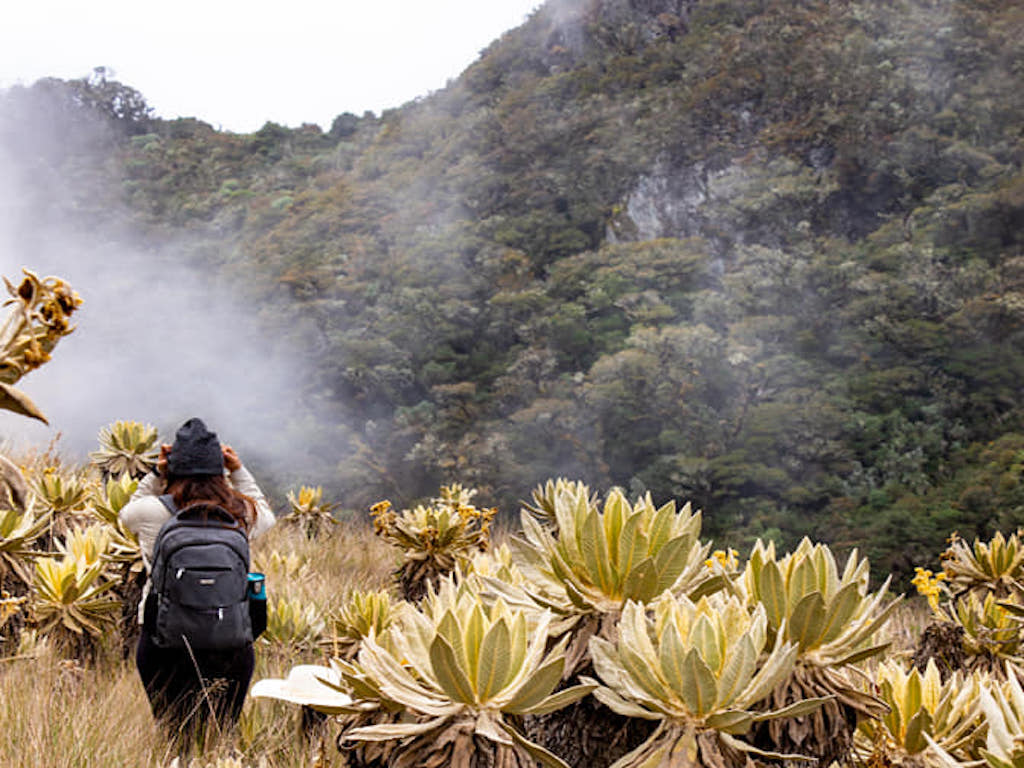
            This paramo is located above Pijao, at an altitude of 3,700 meters. At this altitude you will find a special landscape, with the iconic Frailejones trees. You can also do a tour to the paramo de Chile -Tierra Fría as the locals call it-, with Kevin. Check out Kevin’s Instagram for more information.

            Here’s how to plan your trip to Pijao

            How to get there.

            How to get to Pijoa?

            1) The cheapest way: by bus
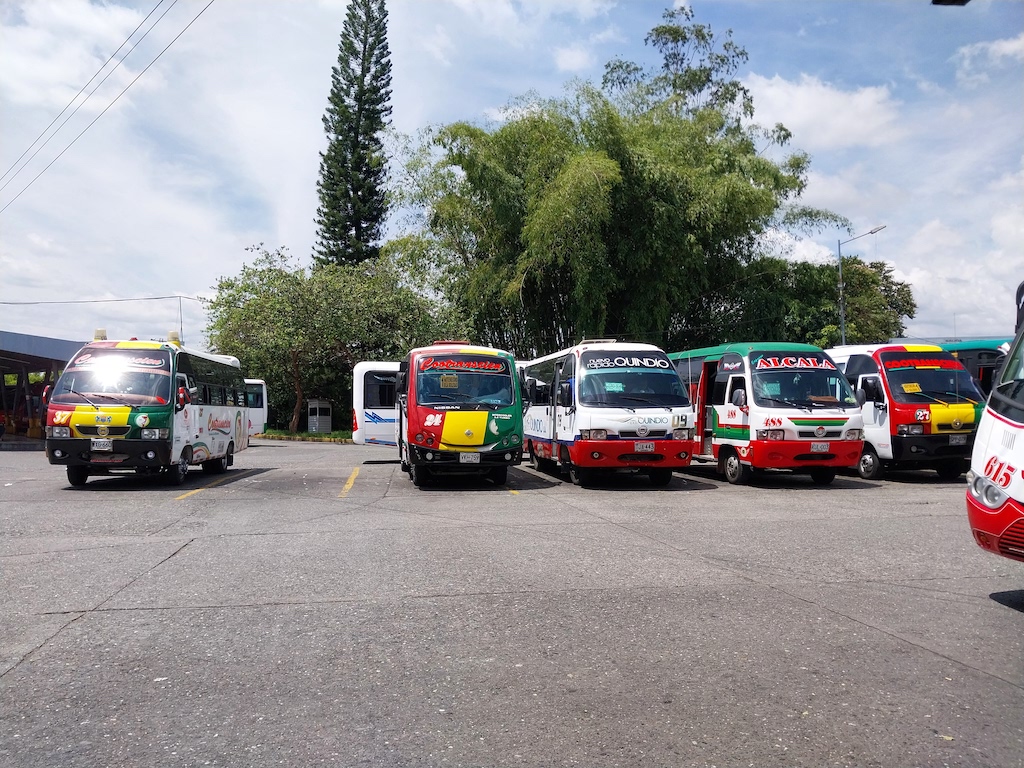
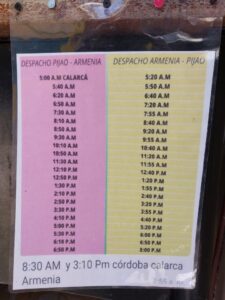
            There is a direct bus from Armenia to Pijao. The ride takes over 1 hour. (COP10,000/$2.50).

            If you’re staying in Salento or Filandia, you’ll catch 2 buses: first the bus to Armenia 50 min / COP6800/€$.170, then the bus to Pijao. If you arrive in Pijao, you can catch a Willy Jeep for transportation to your hotel if you stay outside the village. The trip from Salento/Filandia takes a total of about 3 hours including transfers.

            2) The most luxurious way: a car with a private driver
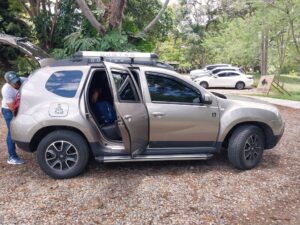
            Even though bus transportation is well arranged to and from Pijao, it can also be convenient to hire a car with a private driver, especially if you want to take a different route and stop in the village of Buenavista, for example. We also did this when we went from our prior accommodation –Glamping Entre Rios in Calarcá –  to Pijao via Buenavista. This was ideal because the driver stopped where and how long we wanted. Also, the car was very comfortable, a spacious “Duster”.

            We paid COP250,000/$62 for this service for two people. If you are interested in this, then driver Angelo is recommended. He is a reliable driver who comes from the region and knows a lot about it. Knowledge of Spanish is handy to communicate with him though, as his knowledge of English is basic. Angelo can be reached via WhatsApp number +573127287120. He can also pick you up from Armenia airport.

            3) The most flexible way: eand car hire from the airport in Armenia.
            The main roads are good in this region. We do recommend a sturdy, higher
            car to rent such as a Jeep, due to the steep inclines and potholes in the road off the main roads.

            4) With an organized tour
            During this tour of a full day, you can visit the villages of Pijao and Buenavista. The tour includes a visit to a coffee plantation.

            How many days of Pijao?

            Pijao is a lot quieter than Salento and Filandia and there is not much to do in the village itself. In 1 day you can explore the village and take a Willy jeep to Buenavista. If you want to do the hike on the paramo and the palm grove, stay an extra day for this.

            Where to stay in Pijao?

            Pijao has a modest choice of hotels and hostels, but there are some nice accommodations to stay a few nights.

            #ColombiaMyWay hotel tip

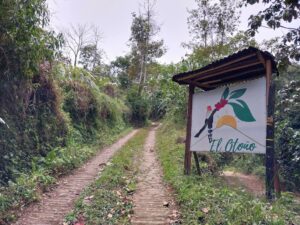
            We stayed at Finca Tradicional El Otoño

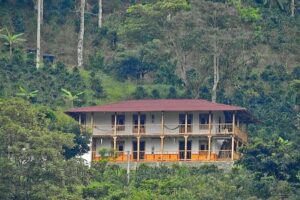
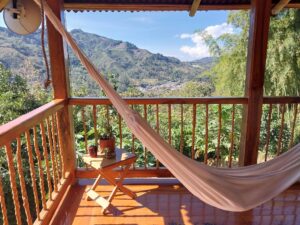
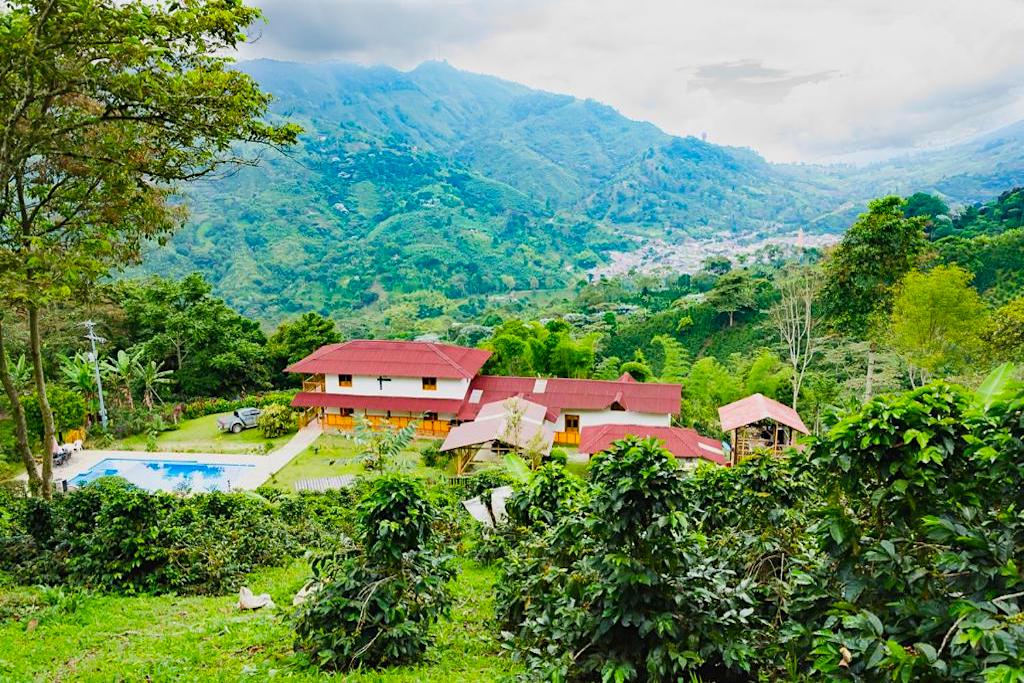
            This finca is located in a natural reserve in the mountains one kilometer from Pijao. The finca is beautifully situated and you look out on the village of Pijao from the terrace and the room.

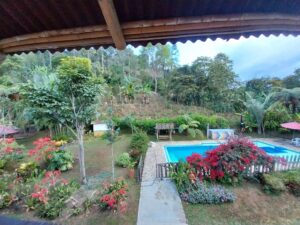
            There is a beautiful garden where you can see birds and in the backyard there is a heated pool with jacuzzi. We did not use that because we were too cold -:)

            The delicious breakfast was served at the communal dining table and Don Diego -retired doctor and owner of the finca- joined us in the morning.

            We exchanged stories about his hometown of Medellín, our hometown of Curaçao and Europe. Breakfast was included in the price (65$ per night for a double room) and for a reasonable amount we could order lunch (COP35,000/$8.75) or or a light dinner (COP25,000/$6.25).

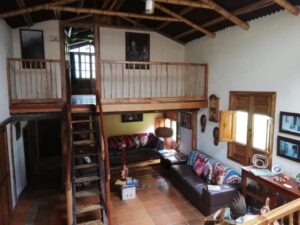
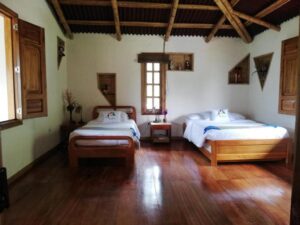
            This is not a luxury accommodation, but the room was comfortable and spacious.

            We were the only guests and got a lot of attention from Diego. When he heard me sneezing from a bad cold, he rushed to his room and came back with medicine . He also took us on a walk to a small waterfall. The first part of the hike was over the plantation, where Diego gave a passionate explanation of the coffee plants. After this, the landscape changed to tropical rainforest, where we clambered over the rocks to the small waterfall.

            At times it was quite slippery and we held on to the vines and trees. Dog Kiri joined us for the guide and showed us the way!
            Hike from Finca el Otońo to Pijao
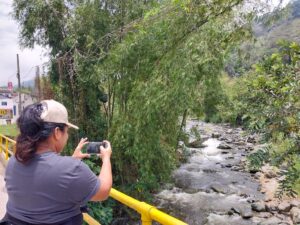
            From the finca to the village, it’s an easy, fun walk down past pastures with horses and cows. It was wonderfully quiet! We passed a small river and saw beautiful butterflies and flowers.

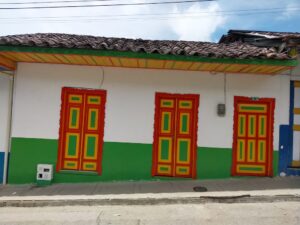
            Including occasional stops, it took us half an hour. The houses with their many colors in the traditional architectural style were fun to see and people were obviously very creative with the different color combinations.

            Upon arriving in the village, we immediately saw the contrast with villages like Salento and Filandia. There was activity in Pijao, but we saw only locals: school children followed by loyal dogs and people on their way to work or the square. When we returned to the finca in the afternoon, we took a Willy Jeep, to avoid the uphill hike. The Willy cost us COP30,000/$7.50. Tip: Are you going to rent a car and want to stay overnight at Finca El Otoño? Then rent a 4 WD. The driver who took us to Pijao had an SUV but no 4WD and he did not manage to get up the little hill to the Finca, after which Don Diego came to pick us up -:)

            If you prefer to stay in the village, there are also a number of hostals you can go to, such as Hostal Casa Victoria Pijao. From the hostal you look out on the beautiful nature of Pijao.


            $ price range up to $35

            $$ price range $35 – $60

            $$$ price range above $60

            $$$

            Eating and drinking in Pijao

            At the Plaza Principal de Pijao are several cafes, bars and restaurants. You can also find nice places in the side streets. For example, we previously mentioned Calle 11 (Calle del café), where two nice coffee shops sit next to each other: La Tienda del buen vivir and Café La Floresta. Here are our tips for the best places for drinks and snacks in Pijao.

            Our tips

            La Tienda del buen vivir

            Calle 11 #5-67

            Here you can not only drink or buy coffee, they also sell cakes and craft brewed beers. We wanted to try the coffee-flavored beer, but we were advised to have a lighter beer and take the heavier coffee-flavored beer for the evening.

            Looking back, we were glad we took this advice, because the “coffee beer” was tasty but heavy. Too heavy at the beginning of our “sightseeing” trip through Pijao -:)

            Cafe Dimonte

            # a 11-29 Carrera 4, #111

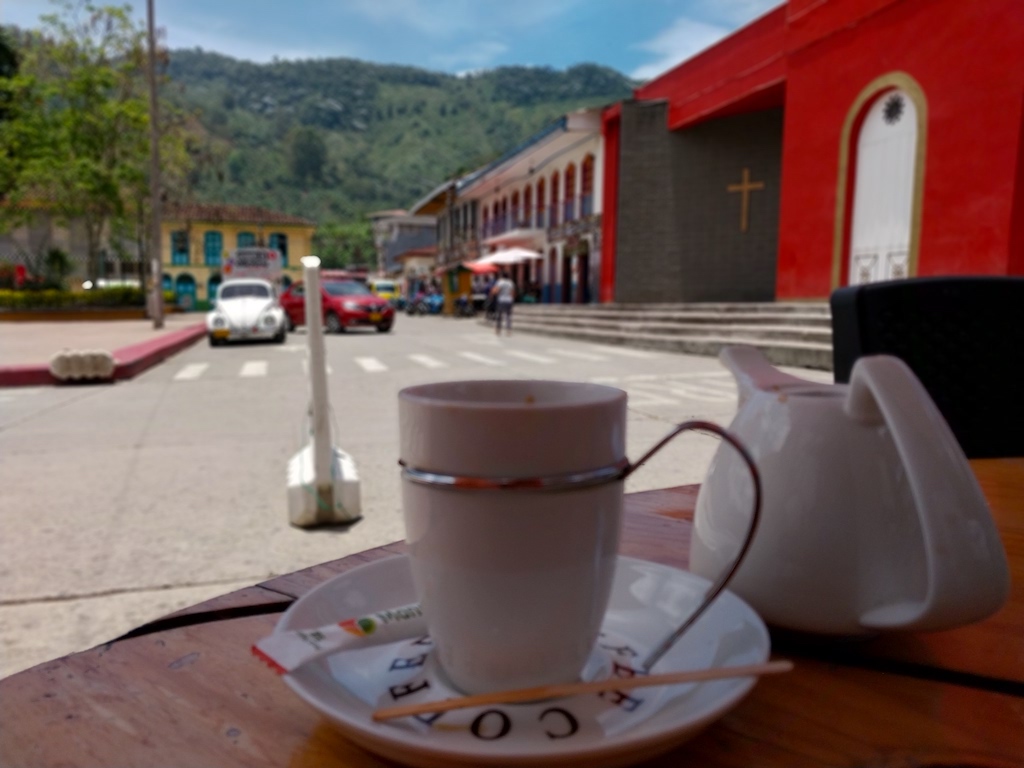
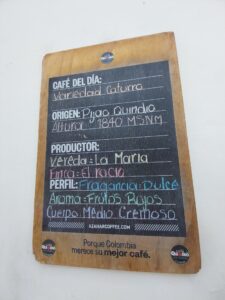
            Perfect spot on the square for “people watching,” on the corner opposite the church. This cafe has a special “coffee of the day” every day, which is written on a board, with all the specifications of the coffee bean.

            You get a cup that is one-quarter full of coffee, with a jug of water next to it, so you can make the coffee as weak or strong as you like.


            Bodega Pijao

            Plaza principal Pijao

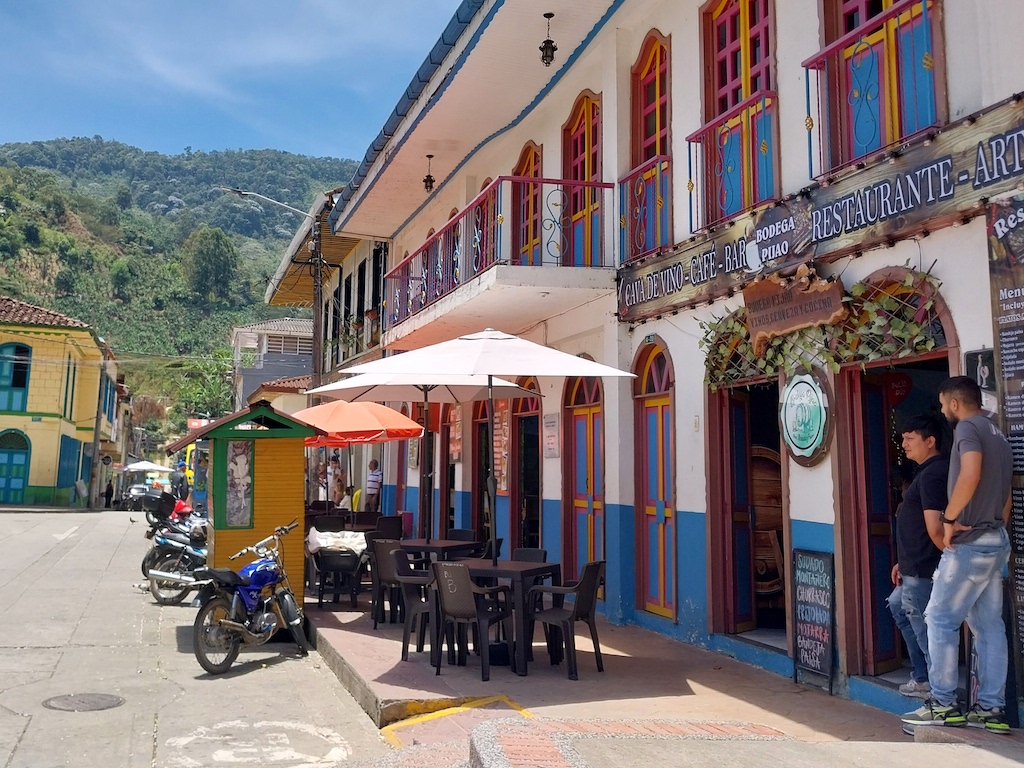
            Want to escape the bright afternoon sun and have lunch or a drink inside? Then Bodega Pijao is a nice place. The bodega sits on the central square and is tastefully decorated with wine bottles and coffee props.

            Here you can go for a traditional Colombian meal, a burger, pasta, a cup of coffee or a cheese board with a glass of wine. There are also vegan and vegetarian options.


            Bar Social

            Cl. 12 #41
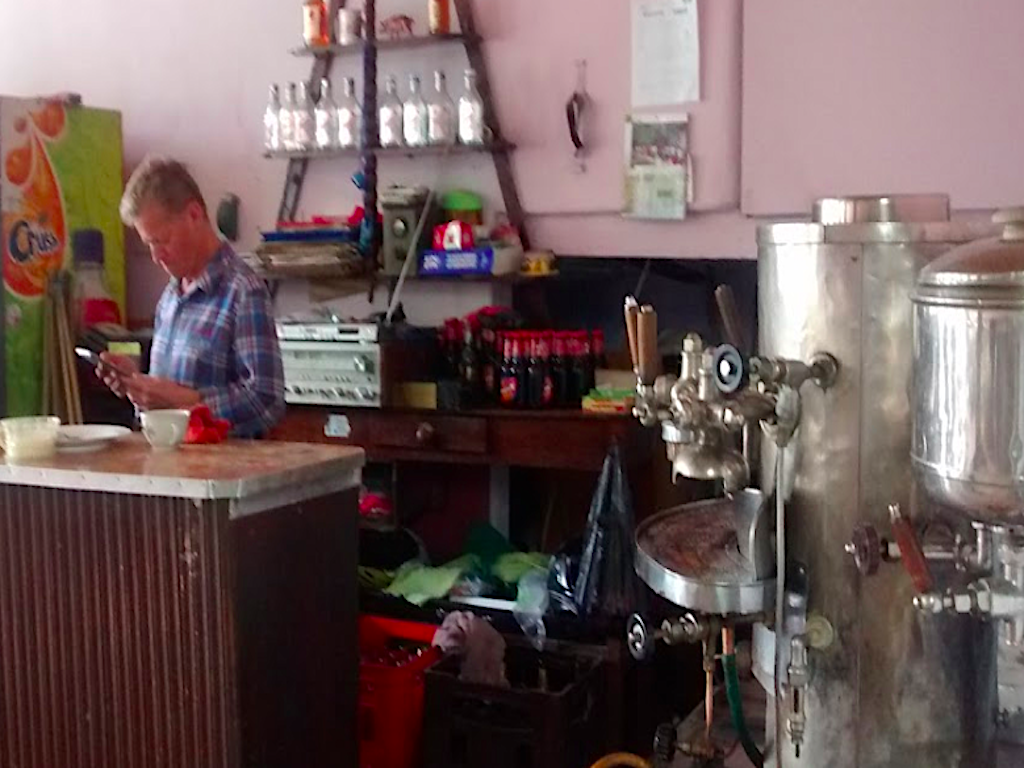
            This cafe is a favorite with locals, who come there to drink coffee or play billiards. It is a good place to have a chat and listen to locals’ anecdotes about this historic bar. The coffee is made with a more than 100-year-old coffee machine!

            Bar los Recuerdos

            Cra. 4 #11-9

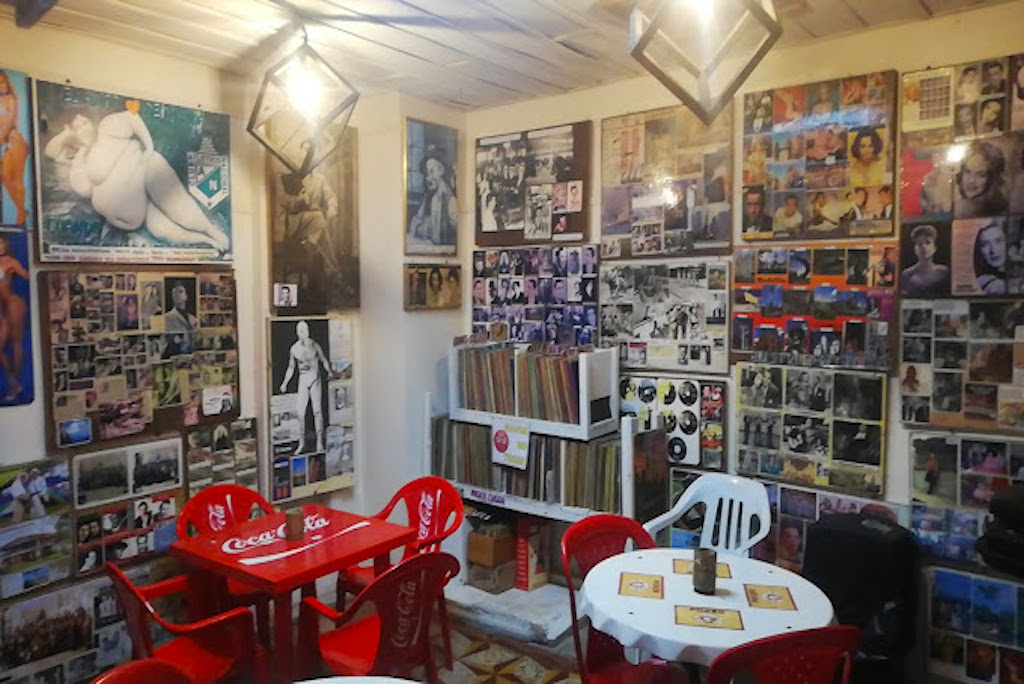
            This bar was recommended to us, but when we were there on a Monday afternoon, the bar was closed. The owner of the bar, is a fan of movies and old LPs, which shows in the interior.

            Asadero El Mana

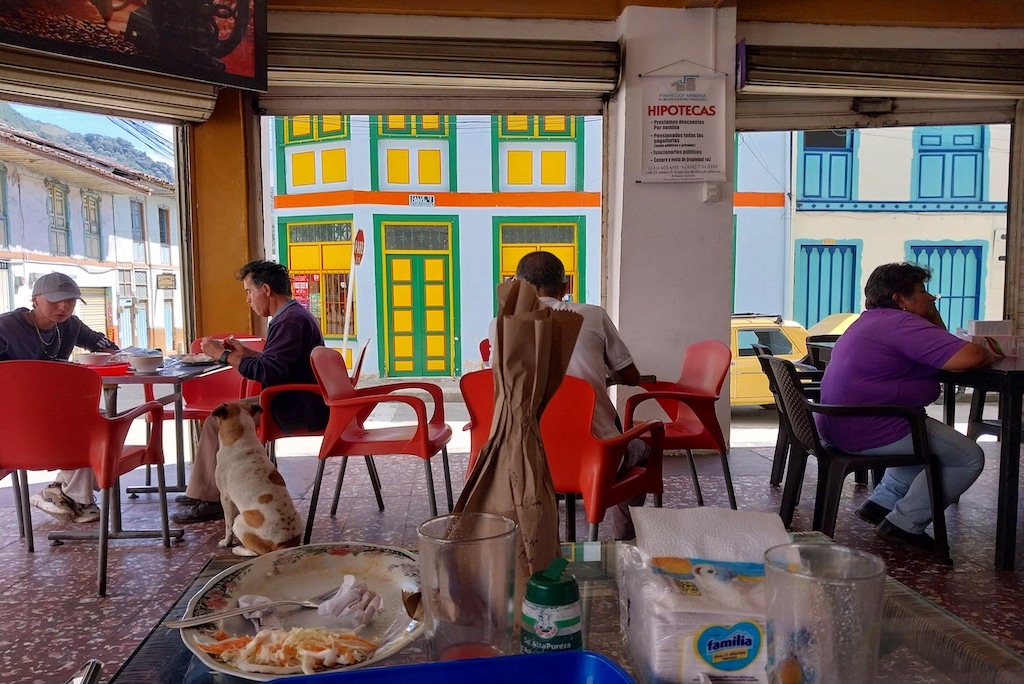
            Insiders tip! You’ll find this restaurant just off the square. It was packed with locals when we were there. Among other things, you can get a cheap menú del día order. Toen wij er waren bestond het dagmenu uit soep met kip, banaan en ei. Het hoofdgerecht was gegrilde kip met spaghetti, rijst, banaan en koolsalade. We kregen een grote portie en de maaltijd smaakte prima!

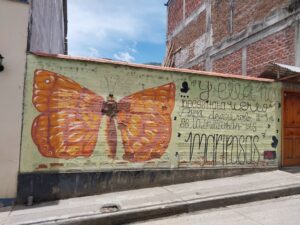
            Including a guava fruit juice, we paid only COP24000/$6 for 2 people! This restaurant is on the little street opposite the Banco Agrario de Colombia, near the mural of the butterfly.


            Practical info A-Z

            Is Pijao safe? What is the weather and temperature like? What should I bring with me? What about how to withdraw money in Pijao? Check here for practical information and useful tips for your stay in Pijao.

            Drinking water

            The water from the tap is not drinkable

            Cash withdrawals

            There are two banks in Pijao, Servibanca and Banco Agrario de Colombia, but we did not see an ATM machine.

            Climate

            The temperature in Pijao ranges from 12 to 20 degrees. We did find the wind a bit chilly in the evening. We found it colder at  night than in Filandia/Salento, especially since our accommodation was in the mountains.

            Packing List
            • Thermos for water
            • Hiking shoes
            • Sunscreen
            • Hat or cap
            • Light clothes
            • Rain jacket
            • Sweater
            Vaccinations

            No vaccinations are required for Pijao.

            Safety

            Pijao is a small and friendly village and it is very peaceful and safe. This has not always been so, because In 2001 there was an invasion by the guerrillas which caused the residents to live in fear for 10 years. Fortunately, Pijao has been a peaceful village for years now, where the residents do not have to live in fear and which is also for travelers, very safe. As our Willy jeep took us to the finca, we noticed a police officer on a motorcycle stopping us. He was asked where he was going and it was actually a very friendly conversation. In such a small village like Pijao, we didn’t really expect this, but it was also kind of a good feeling to have a police presence.

            Wifi and telephone

            At the finca where we stayed, we had good internet. If your accommodation is further into the mountains, coverage may be worse. If you want a data package for your phone, provider Claro has the best coverage in Colombia.

            Stores

            We did not see large supermarkets, but we did see small stores selling all sorts of things.